Crypto exchange HTX rejects U.K. sanction allegations, says it refused ruble stablecoin listing
HTX says it rejected A7A5’s listing after compliance review, denying U.K. claims it aided Russia’s financial network.
Intelligence analysis by GPT-5.4 Mini
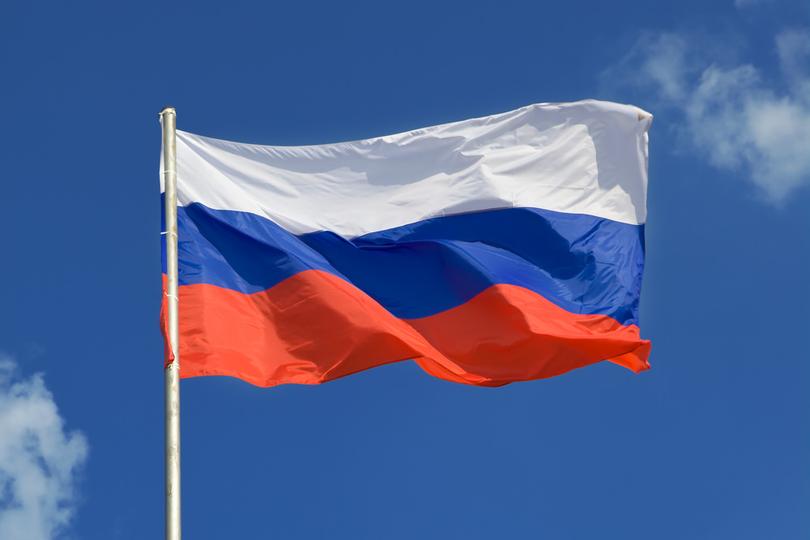
Britain sanctioned the issuer of the ruble-linked A7A5 stablecoin and said it had grounds to suspect HTX helped the project. HTX and an A7A5 executive both say the exchange refused the listing request, with the issuer blaming fear of secondary sanctions.
A crypto exchange called HTX is being accused by U.K. officials of helping a Russia-linked money tool. HTX says that is not true and that it rejected the tool’s request to be listed.
Think of it like a store saying no to a product because it might cause trouble. HTX says it checked the request carefully and chose not to carry it.
The bigger lesson is that crypto companies can get caught up in world politics. When money tools are linked to sanctions, exchanges may stay far away to avoid problems.
Analysis
What happened
The U.K. said it sanctioned the issuer behind the ruble-linked A7A5 stablecoin and that it had reasonable grounds to suspect HTX helped the project. HTX pushed back, saying it rejected A7A5’s listing application after its internal due diligence and compliance review.
The dispute
The article says the Foreign Office did not spell out specific evidence tying HTX to A7A5 cooperation. HTX’s version is straightforward: the exchange says the token’s application was explicitly rejected. That account is echoed by A7A5 executive Oleg Ogienko, who said the project approached several major centralized exchanges and was turned away quickly because they feared secondary sanctions.
Ogienko also argued that A7A5 follows Kyrgyz, Russian, and FATF-related rules. He said the project is now less dependent on centralized exchanges and instead runs on DeFi infrastructure, while still remaining open to exchange relationships if they make business sense.
Why this story matters
The core issue is not just whether one listing happened. It is how sanctions pressure affects the plumbing of crypto markets. Stablecoins are often used for fast settlement, cross-border transfers, and liquidity; when a token is seen as linked to sanctioned activity, exchanges have strong incentives to avoid it.
For market watchers, this is another example of compliance risk shaping product access in crypto. For policymakers, it shows how authorities are trying to control channels they believe could support Russia’s wartime financing or broader financial evasion.
Key points
- The U.K. sanctioned the issuer of the ruble-linked A7A5 stablecoin.
- HTX says it rejected A7A5’s listing application after compliance checks.
- An A7A5 executive said major centralized exchanges feared secondary sanctions.
- A7A5 says it is compliant with Kyrgyz, Russian, and FATF rules.
- The story highlights how sanctions risk can shape crypto exchange listings.