Crypto Platforms Broaden Access to Elon Musk's SpaceX Ahead of $1.75 Trillion IPO
Crypto venues are offering prediction bets, perps, synthetic assets, and tokenized exposure to SpaceX ahead of its IPO, sidestepping traditional brokers.
Intelligence analysis by GPT-5.4 Mini
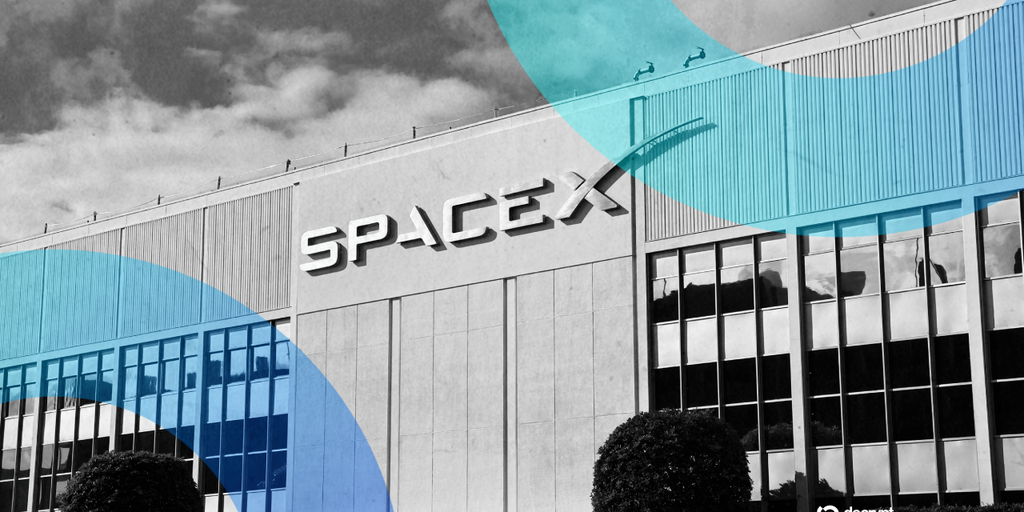
Decrypt says crypto rails are pushing SpaceX exposure beyond brokerage accounts, with prediction markets, perpetual futures, synthetic assets, and tokenized stock products opening access for overseas retail traders before the company's public debut.
Crypto apps are letting people place bets or buy lookalike versions of SpaceX shares before the company goes public, kind of like trading movie tickets before the theater opens. But these are not the same as owning the real shares.
Analysis
What happened
Decrypt reports that crypto platforms are giving retail traders multiple ways to speculate on SpaceX ahead of its IPO. Those paths include prediction markets like Polymarket, perpetual futures on exchanges, synthetic assets, and tokenized stock-like products tied to the rocket maker.
Why it is notable
The article argues that these products let investors get around traditional Wall Street gatekeepers. That matters because SpaceX is one of the most closely watched private companies, and its debut is being treated as a test case for how much demand exists for nontraditional exposure to major equity events.
The piece also stresses that these products are not the same as owning shares. Most of them do not provide dividends, voting rights, or any direct claim on SpaceX assets. It also notes that many of the offerings are unavailable in the U.S., reflecting a shifting regulatory backdrop around tokenized assets.
Examples cited in the story
Decrypt points to several active channels for exposure: Polymarket wagers on SpaceX's market cap, Myriad forecasting tied to the debut, Kraken parent Payward's SpaceX-backed tokens through xStocks, Coinbase International's pre-IPO perpetual futures, Hyperliquid-based speculation, and Backpack's Solana-based token product that can be traded in-platform or in self-custodial wallets.
The article also recalls last year's controversy over Robinhood stock tokens in Europe tied to SpaceX and OpenAI, after OpenAI said they were not real shares. In that case, Robinhood said the tokens were contractual price trackers recorded on-chain.
Overall, the story frames SpaceX's IPO as a fast-moving market event that could shape how investors view crypto-native wrappers for traditional assets.
Key points
- Crypto platforms are offering several ways to speculate on SpaceX ahead of its IPO.
- The options include prediction markets, perpetual futures, synthetic assets, and tokenized stock products.
- The article says most of these products do not grant dividends, voting rights, or direct claims on SpaceX assets.
- Many of the offerings are not available in the U.S. because of regulatory uncertainty around tokenized assets.
- Decrypt frames the IPO as a test for how much appetite exists for crypto-native exposure to private companies.
If demand stays strong, these products could widen access to a high-profile company for people outside normal brokerages. The launch could also strengthen interest in crypto-based ways to track traditional markets.
The products may leave buyers with exposure that lacks real shareholder rights, which the article says includes no dividends or voting. Regulatory limits, especially in the U.S., could also keep many of these offerings out of reach or subject them to change.