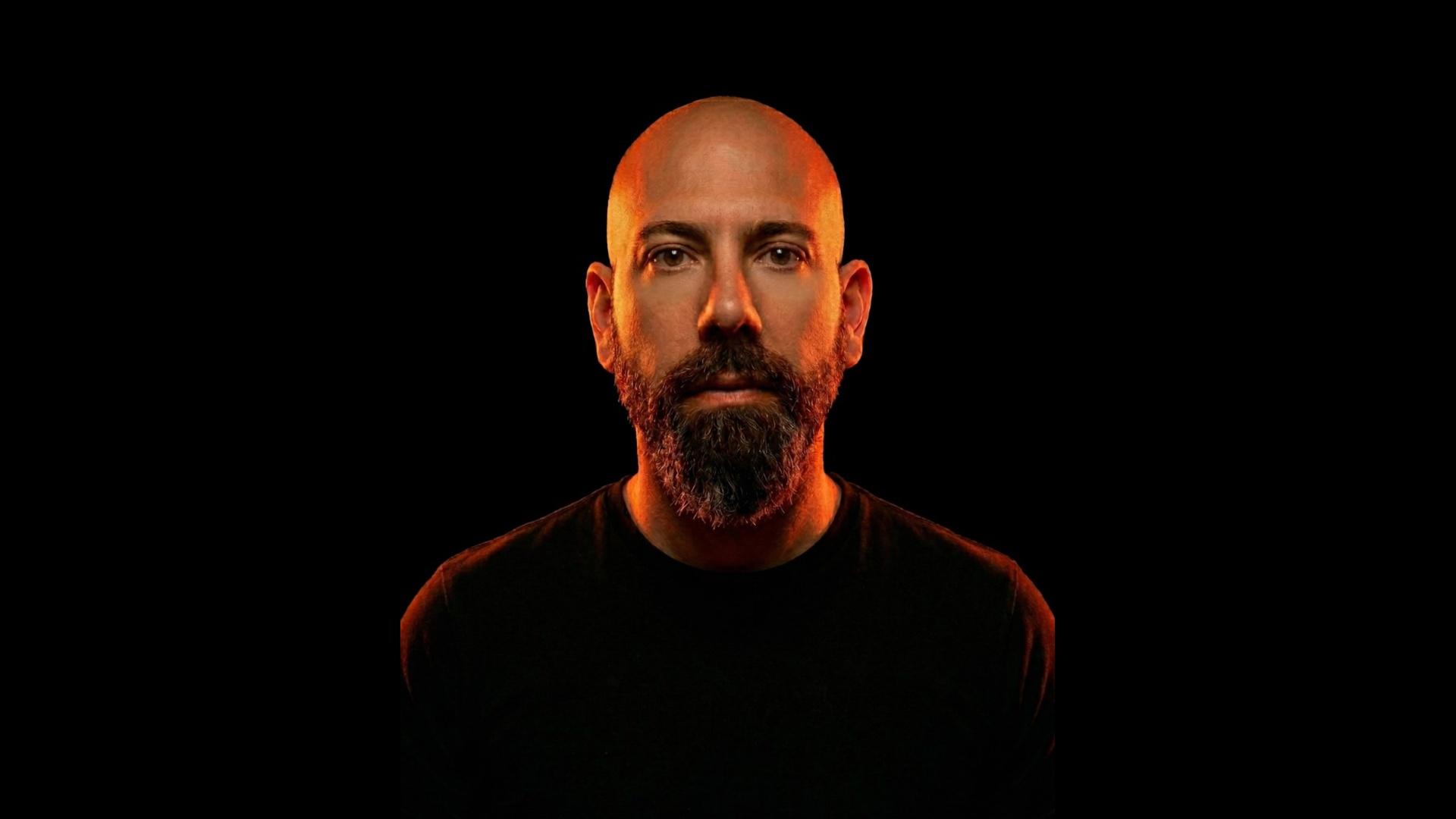
Crypto should adopt the best of centralization, says LMAX CEO
LMAX CEO David Mercer says crypto needs more centralized credit, clearing and collateral plumbing to unlock institutional growth.
Intelligence analysis by GPT-5.4 Mini
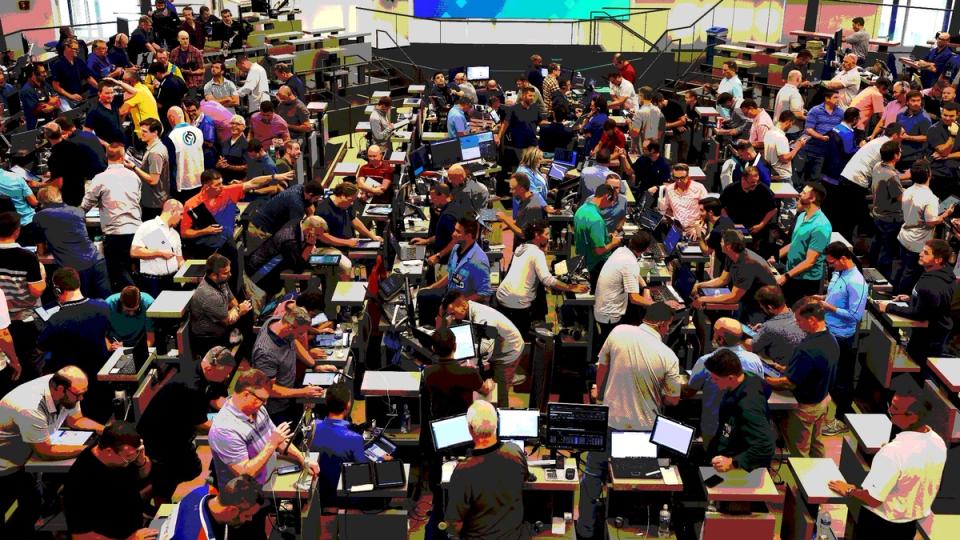
David Mercer argues that digital assets will mature faster if they borrow the centralized market structures that help traditional finance coordinate liquidity, manage collateral and support settlement. He says stablecoins and tokenized assets could become the bridge between crypto and TradFi.
Mercer thinks crypto is like a busy playground that needs one good scoreboard and locker room. With shared rules for money, trading could be safer and faster, and big players would find it easier to join in.
Analysis
Mercer’s argument
LMAX Group CEO David Mercer says crypto’s next stage of growth may require embracing parts of centralization rather than treating decentralization as the only ideal. His core claim is that centralized market structures solve a coordination problem: they bring buyers and sellers into one place, improve price discovery and help concentrate liquidity.
What crypto still lacks
Mercer argues that digital assets have not yet built the kind of mature credit and clearing systems that support traditional markets. In his view, that gap has limited how far institutional capital can scale into crypto. He says the industry still operates in separate “walled gardens,” where traditional assets, digital assets and stablecoins do not move freely enough across systems.
He points to collateral management as a major bottleneck. If collateral is locked in one venue or one market, it cannot be quickly redeployed when opportunities appear elsewhere. That reduces capital efficiency and makes it harder for institutions to trade across both traditional and digital markets.
Stablecoins and tokenized collateral
Mercer sees stablecoins and tokenized assets as the likely building blocks of a more efficient system. He says digital money could make collateral management far more flexible, and that the long-term goal is making collateral fungible across markets. He also stresses that secure custody remains a prerequisite for many institutions before they will commit significant capital.
The broader end state, according to Mercer, is a convergence of TradFi and digital assets into a single financial ecosystem. In that setup, tokenized money, interoperable collateral and institutional-grade credit infrastructure would operate across both worlds.
Key points
- Mercer says centralization can solve coordination problems in trading markets.
- He argues crypto still lacks mature credit, clearing and collateral systems.
- He believes stablecoins and tokenized assets could improve collateral mobility.
- Institutional adoption is being held back by custody and interoperability concerns.
- Mercer sees TradFi and digital assets converging into one financial ecosystem.
If Mercer’s view proves right, crypto could become easier for banks and asset managers to use at scale. Better collateral, custody and clearing systems could help stablecoins and tokenized assets connect digital markets with traditional finance. That could improve liquidity, make prices easier to discover and bring more institutional activity into the sector.
The risk is that the industry may never agree on the centralized infrastructure Mercer thinks it needs. If collateral and custody remain split across separate systems, institutions may keep treating crypto as a niche market. A weaker outcome would be broader interest in digital assets without the plumbing needed to support meaningful capital deployment.