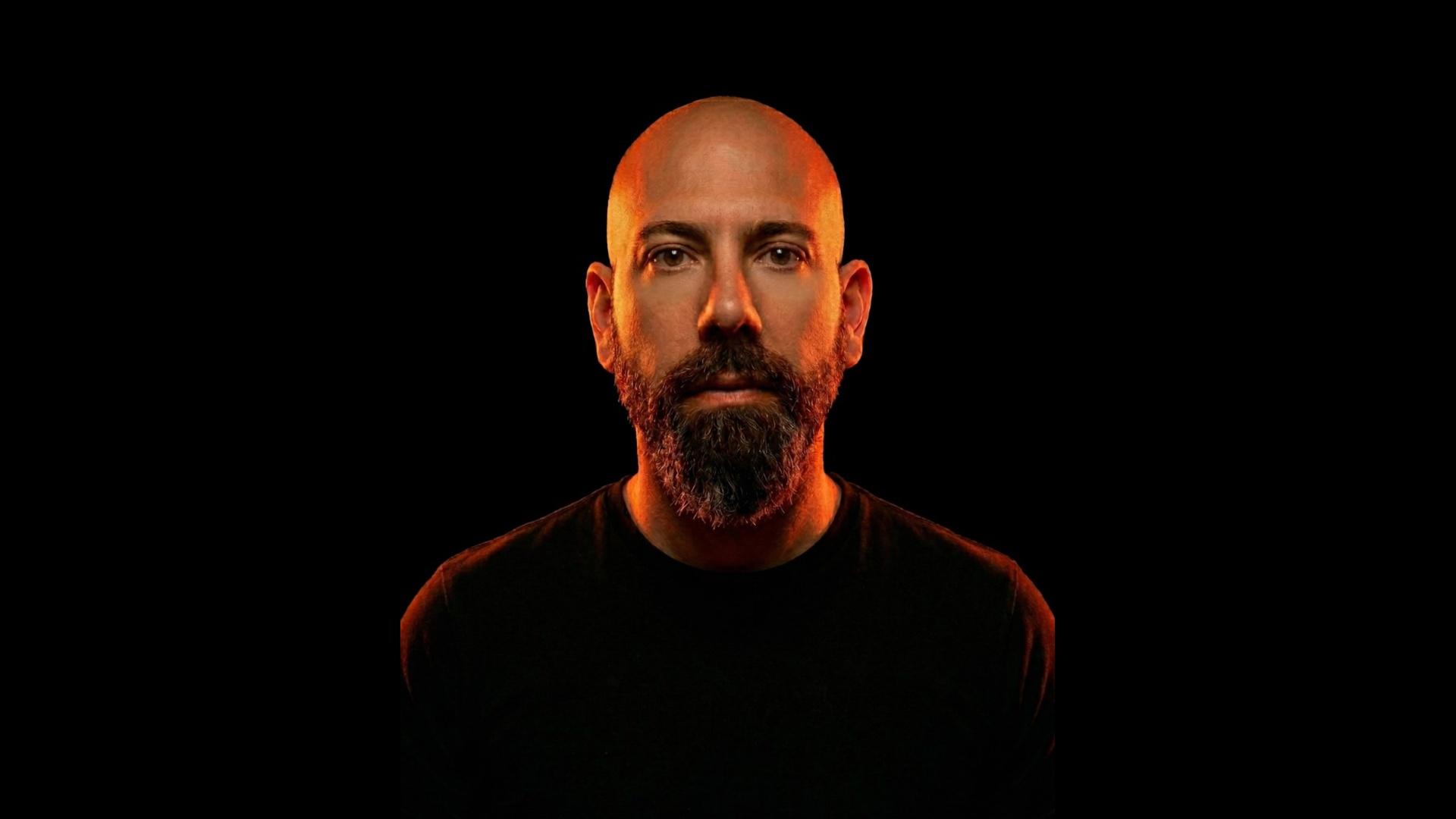
Dan Loeb Reveals DOJ Threat to Trump Over Ross Ulbricht Commutation in Final Hours of First Term
Dan Loeb says DOJ warned Trump it would go after him if he commuted Ross Ulbricht’s sentence in January 2021.
Intelligence analysis by GPT-5.4 Mini
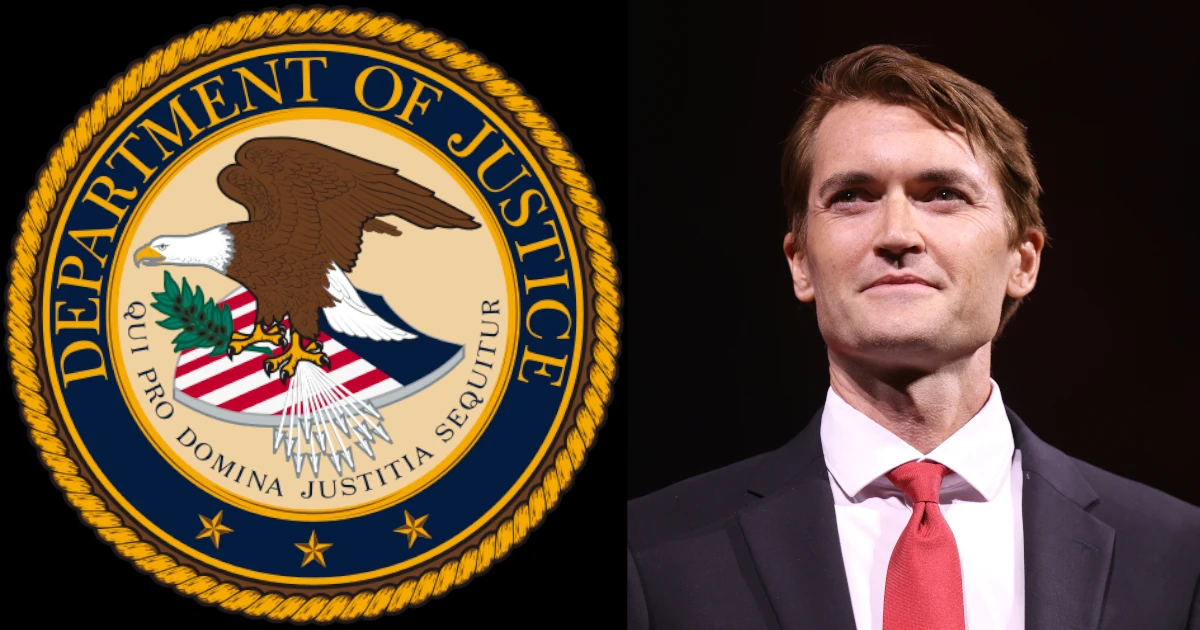
Loeb claims the Ulbricht commutation was pulled after a DOJ threat in Trump’s final hours in office. The article ties that delay to four more years in prison, then to Ulbricht’s pardon in January 2025.
A rich supporter said a government office may have warned Trump not to free Ross Ulbricht, or else it would come after him. The story is about a big tug-of-war over whether a man tied to Bitcoin’s old Silk Road site should stay in prison or go free.
Analysis
What Loeb claims
Hedge fund manager Dan Loeb said on the All-In Podcast that, on the last day of Donald Trump’s first term, the White House expected Ross Ulbricht to be freed through a commutation. According to Loeb, the Department of Justice warned Trump that if he commuted Ulbricht’s sentence, it would “go after” him, and Trump then withdrew the commutation.
Why the article treats it as significant
The piece says this is the first public report of a direct DOJ threat of that kind, but it also notes that the claim has not been independently corroborated and that no specific DOJ official was named. The article places the alleged pressure in the context of January 2021, when Jeffrey A. Rosen was acting attorney general and Richard Donoghue was acting deputy attorney general.
The Ulbricht angle
Ulbricht had been serving a double life sentence plus 40 years after his 2015 conviction on charges including running a continuing criminal enterprise, drug distribution over the internet, money laundering, and hacking. The article emphasizes that he was not convicted on murder-for-hire charges, despite public confusion around the case. Silk Road’s use of Bitcoin made the prosecution and later clemency fight especially important to the Bitcoin community.
Political fallout
The article says the reported intervention delayed Ulbricht’s release by four years, until Trump issued a full pardon in January 2025 during his second term. It also argues that the delay helped turn the Free Ross effort into a stronger political force, feeding into libertarian and crypto politics during the 2024 campaign.
Key points
- Dan Loeb said the DOJ warned Trump it would target him if he commuted Ross Ulbricht’s sentence.
- The article says Trump withdrew the commutation in January 2021, delaying Ulbricht’s release by four years.
- Ulbricht later received a full pardon from Trump in January 2025.
- The report says the claim is not independently corroborated and no DOJ official is named.
- The piece frames Silk Road as a foundational Bitcoin-era case with major meaning for crypto and libertarian politics.
If Loeb’s account is accurate, it adds momentum to the argument that Ulbricht’s sentence was unusually harsh and that clemency was justified. That could strengthen future campaigns around sentencing reform, privacy, and crypto-related civil-liberties issues.
The claim is not independently verified, so the story may remain politically useful but factually contested. If the alleged DOJ pressure is inaccurate or overstated, it could weaken the credibility of future advocacy around the Ulbricht case and related clemency efforts.