Deadly New York helicopter crash in Hudson River last year most likely caused by bird strike, NTSB says
A National Transportation Safety Board report found that a bird strike most likely caused the helicopter crash in the Hudson River that killed six people near New York City last year.
Intelligence analysis by Llama
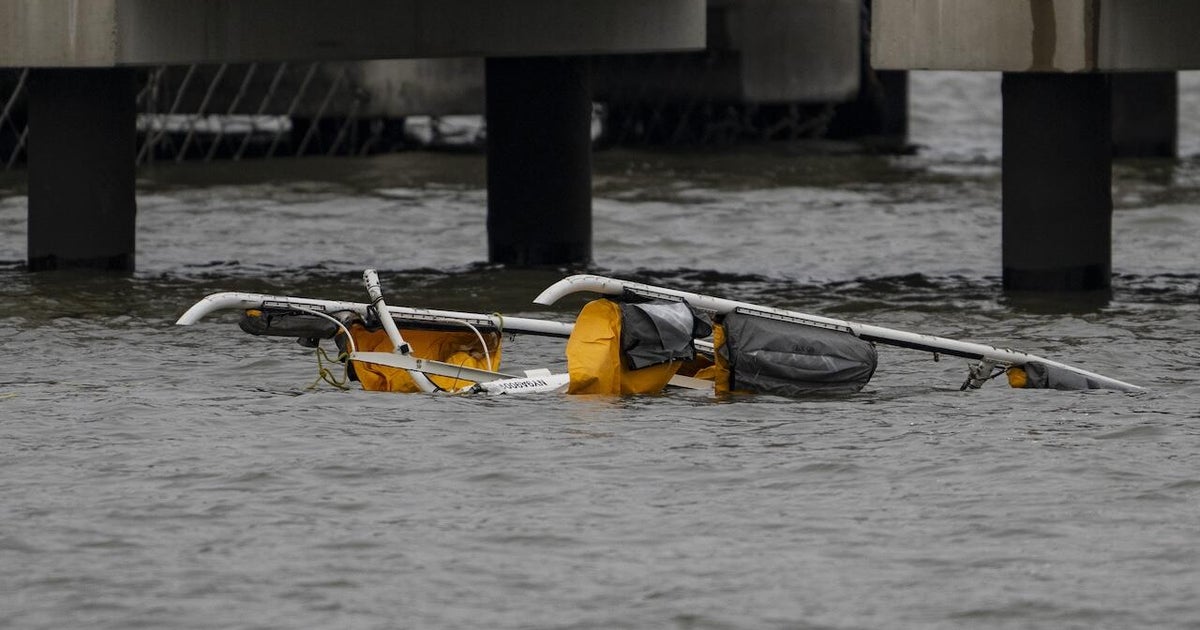
A bird strike is believed to have caused the deadly helicopter crash in the Hudson River last year, according to a National Transportation Safety Board report. The crash killed six people, including a family of five from Spain and the pilot.
A helicopter crashed in the Hudson River last year, killing six people. The investigation found that a bird likely hit the helicopter, causing it to break apart and fall into the water. This is a reminder of the importance of safety measures in the aviation industry to prevent bird strikes.
Analysis
A Likely Cause of the Crash
The National Transportation Safety Board (NTSB) has released a report on the helicopter crash in the Hudson River last year, and it appears that a bird strike was the likely cause of the accident. The report found that bird remains were present in the wreckage of the helicopter and the surrounding area, including pieces of the main rotor blade and a severed bird wing. A specialist from the Smithsonian Institution's feather identification lab conducted sampling of the wreckage, and additional sampling was done by the NTSB's lab to confirm the discovery of bird remains.
The Investigation
The investigation into the crash was led by the NTSB, and it involved interviews with witnesses and analysis of the wreckage. One witness told investigators that she saw a large flock of geese take flight just before the accident, and another witness reported hearing loud bangs and pops coming from the helicopter before it broke apart midair. Surveillance video captured the helicopter suddenly breaking into three sections: the fuselage; the main rotor system that includes the two main rotor blades and the transmission; and the tail boom, which includes the tail rotor.
Safety Measures
The report highlights the importance of safety measures in the aviation industry, particularly in relation to bird strikes. The NTSB recommends that helicopter operators take steps to prevent bird strikes, such as using bird-deterrent systems and conducting regular maintenance checks. The report also notes that the use of a system designed to flash lights to try and prevent bird strikes was voluntary and not required during the day. The chief pilot for the tour company told investigators that using the system was not mandatory, and the pilot did not use it during the flight.
Key points
- A bird strike is believed to have caused the helicopter crash in the Hudson River last year.
- The investigation found bird remains in the wreckage of the helicopter and the surrounding area.
- The use of a system designed to flash lights to try and prevent bird strikes was voluntary and not required during the day.
- The chief pilot for the tour company told investigators that using the system was not mandatory.
The implementation of safety measures, such as bird-deterrent systems and regular maintenance checks, could help prevent similar accidents in the future.
The lack of mandatory use of bird-deterrent systems and the absence of regular maintenance checks could lead to similar accidents in the future.