Decree on 'Waste' Sneaks into Lebanese Pockets... New Tax on Goods, Fuel, and Medicine
A new decree in Lebanon imposes taxes on various goods, including fuel, medicine, and food products, which is expected to increase prices and burden consumers.
Intelligence analysis by Llama 3.3 70B
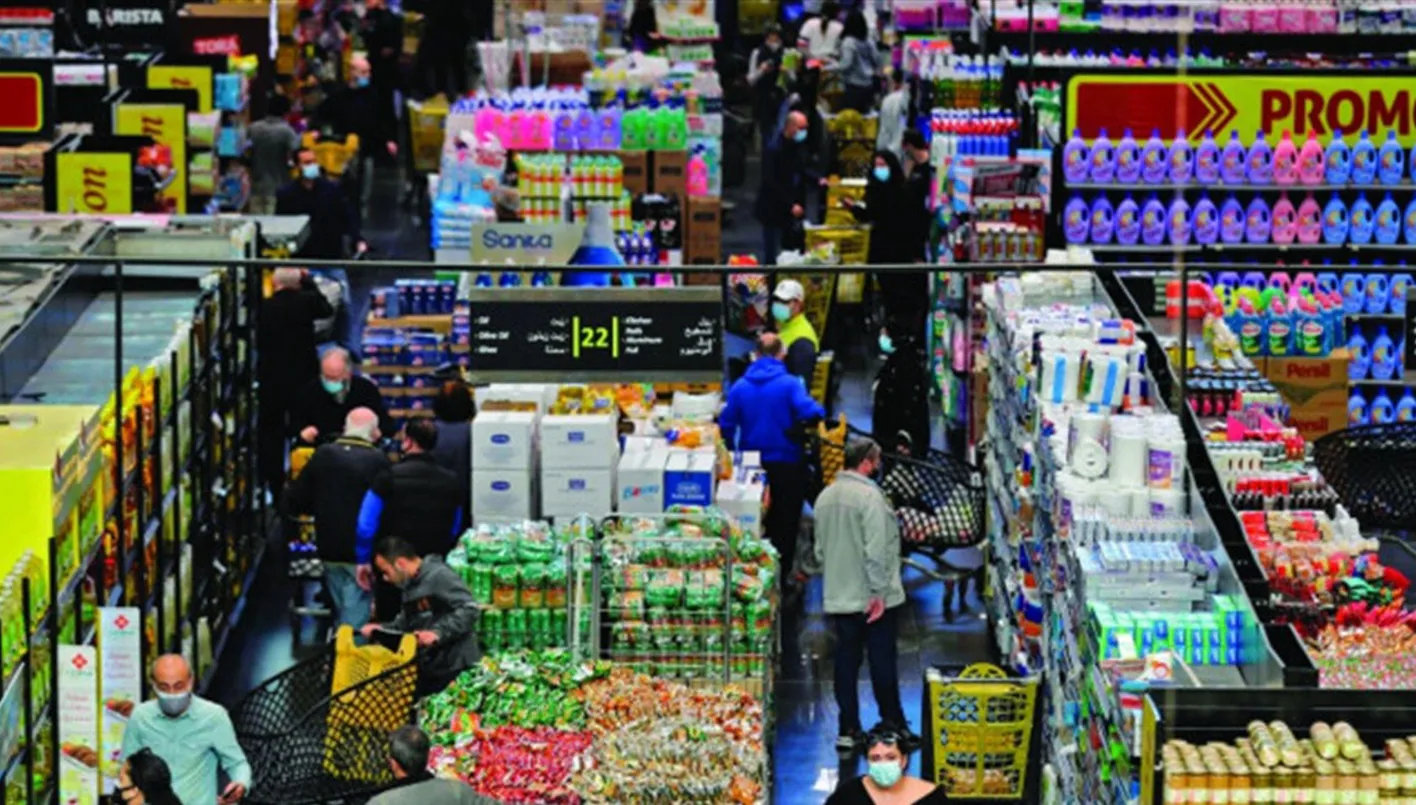
The decree, which aims to reduce waste, imposes taxes ranging from 1% to 2.5% on various products, including fuel, medicine, and food items, which will likely lead to higher prices and increased financial burden on consumers.
Imagine you're buying food, medicine, and fuel, and suddenly the prices go up because of a new tax. That's what's happening in Lebanon, where a new decree is imposing taxes on these essential products, making it harder for people to afford them.
Analysis
The Decree's Impact on Prices
The new decree imposes taxes on a wide range of products, including fuel, medicine, and food items, which will likely lead to higher prices and increased financial burden on consumers. The taxes range from 1% to 2.5%, and will be applied to products such as benzene, diesel, and vegetable oils.
The decree's impact on prices will be significant, as it will affect the cost of living for Lebanese citizens. The taxes will be applied to products that are essential for daily life, such as food, medicine, and fuel, which will make it difficult for consumers to afford these necessities.
The Economic Consequences
The decree's economic consequences will be far-reaching, as it will affect not only the prices of goods but also the overall economy. The increased taxes will lead to higher production costs, which will be passed on to consumers, leading to higher prices and reduced demand.
The decree will also affect the competitiveness of Lebanese businesses, as they will have to absorb the increased costs of production. This may lead to a decline in economic activity, as businesses may be forced to reduce their production or even close down.
The Environmental Impact
The decree's environmental impact is intended to be positive, as it aims to reduce waste and promote the use of environmentally friendly products. However, the effectiveness of the decree in achieving these goals is uncertain, as it may lead to unintended consequences, such as increased smuggling of non-taxed products.
The decree's environmental impact will depend on how the taxes are used and whether they are effective in reducing waste and promoting environmentally friendly products. If the taxes are used to fund environmental initiatives and promote sustainable practices, they may have a positive impact on the environment.
Key points
- The decree imposes taxes on various goods, including fuel, medicine, and food products
- The taxes range from 1% to 2.5%
- The decree is expected to increase prices and burden consumers
- The decree's economic consequences will be far-reaching, affecting not only prices but also the overall economy
The decree may lead to increased revenue for the government, which could be used to fund environmental initiatives and promote sustainable practices. Additionally, the decree may encourage businesses to adopt more environmentally friendly practices, which could have long-term benefits for the environment.
The decree may lead to increased poverty and economic hardship for Lebanese citizens, as they struggle to afford essential products. The decree may also lead to a decline in economic activity, as businesses are forced to absorb the increased costs of production.