Delaware Advances Bill to Ban ‘Predatory’ Bitcoin ATMs
Delaware advanced a bill to ban crypto kiosks statewide. If enacted, existing machines would shut down immediately and be removed within 90 days.
Intelligence analysis by GPT-5.4 Mini
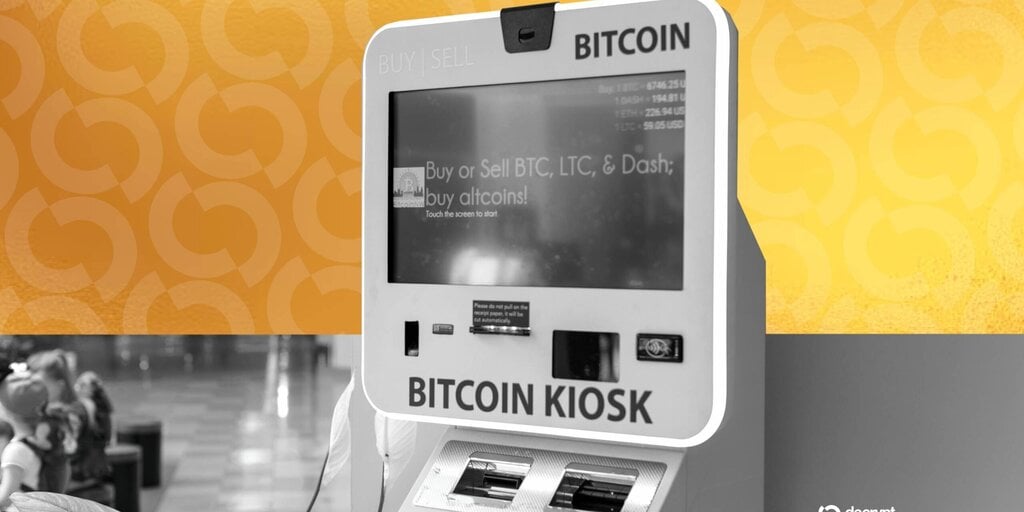
The House committee move puts Delaware on track to become one of the strictest U.S. states on crypto ATMs. Sponsors and consumer advocates say the machines are a fraud magnet, while the bill would force immediate shutdowns and removal within 90 days.
Delaware wants to shut down money machines that swap cash for crypto because scammers keep using them like a shortcut. It is like taking away a door that burglars keep sneaking through.
Analysis
What happened
Delaware lawmakers advanced House Bill 441, a measure that would ban cryptocurrency kiosks statewide. If the bill becomes law, every existing machine would have to stop operating immediately and be physically removed within 90 days.
The bill’s sponsor, Rep. Cyndie Romer, framed the kiosks as a consumer risk rather than a useful financial service. The article says she argued they turn digital currency into a “predatory cash grab.” Delaware Attorney General Kathy Jennings echoed that view, saying the machines may look harmless to regular customers but are designed in ways scammers can exploit.
Why lawmakers are pushing it
The article ties the proposal to fraud concerns, especially for older residents. It cites AARP data saying complaints involving cryptocurrency kiosks topped 13,400 in 2025, with complaints up 23% and losses up 58% year over year. AARP Delaware’s state director, Lucretia Young, said scammers often pressure people into sending money through these machines under fake emergencies or other urgent stories.
Broader context
Delaware’s move fits into a wider state-level crackdown. The article says 30 states have enacted legislation related to crypto kiosk regulation since 2023, and it names Tennessee, Indiana, and Minnesota as states that have passed statewide bans. House Bill 441 now heads to the Delaware Senate for consideration.
If the Senate approves it, Delaware would join a small but growing group of states choosing prohibition over tighter oversight. The article presents the bill as one of the most sweeping state responses yet to crypto kiosk fraud.
Key points
- Delaware advanced House Bill 441 to ban cryptocurrency kiosks statewide.
- Existing machines would have to stop immediately and be removed within 90 days if the bill passes.
- Sponsors and consumer advocates say the machines are heavily used in scams, especially against older adults.
- The article cites AARP data showing more than 13,400 kiosk-related complaints in 2025.
- Delaware would join a growing list of states that have moved to restrict or ban crypto ATMs.
If the Senate passes the bill, Delaware could sharply reduce scam opportunities tied to crypto kiosks by forcing them offline quickly. The state would also join Tennessee, Indiana, and Minnesota, adding more momentum to the broader crackdown described in the article.
A full ban would also remove a cash-to-crypto option for people who still use these machines for legitimate transactions. And because the article frames the problem as part of a wider national fraud wave, Delaware’s move may reduce local exposure without ending the underlying scam problem.