Delhi markets shut amid CJP protest: Khan Market traders warn of ₹1.5 lakh daily loss per shop
Several major Delhi markets, including Connaught Place and Khan Market, closed on October 10 due to a Cockroach Janta Party (CJP) protest at Jantar Mantar, with traders citing security concerns and potential daily losses of ₹1-1.5 lakh per shop.
Intelligence analysis by Gemini 2.5 Flash

Prominent commercial hubs in Delhi, such as Connaught Place, Khan Market, and Karol Bagh, observed a shutdown on October 10 in response to a CJP protest. Traders expressed significant concerns over security, potential disruptions, and substantial financial losses, with estimates suggesting each shop could lose up to ₹1.5 lakh for a single day's closure, prompting calls for protests to…
Imagine your favorite toy store and candy shop in the market suddenly closing for a whole day because people are having a big protest nearby. That's what happened in Delhi, India. A group called the Cockroach Janta Party wanted to protest, and even though they didn't get permission, the police got ready, and many shops decided to close because they were worried about safety and losing customers. Shop owners said they could lose a lot of money, like ₹1.5 lakh (which is a huge amount!) in just one day, even if they still had to pay for rent and staff.
Analysis
Cockroach Janta Party
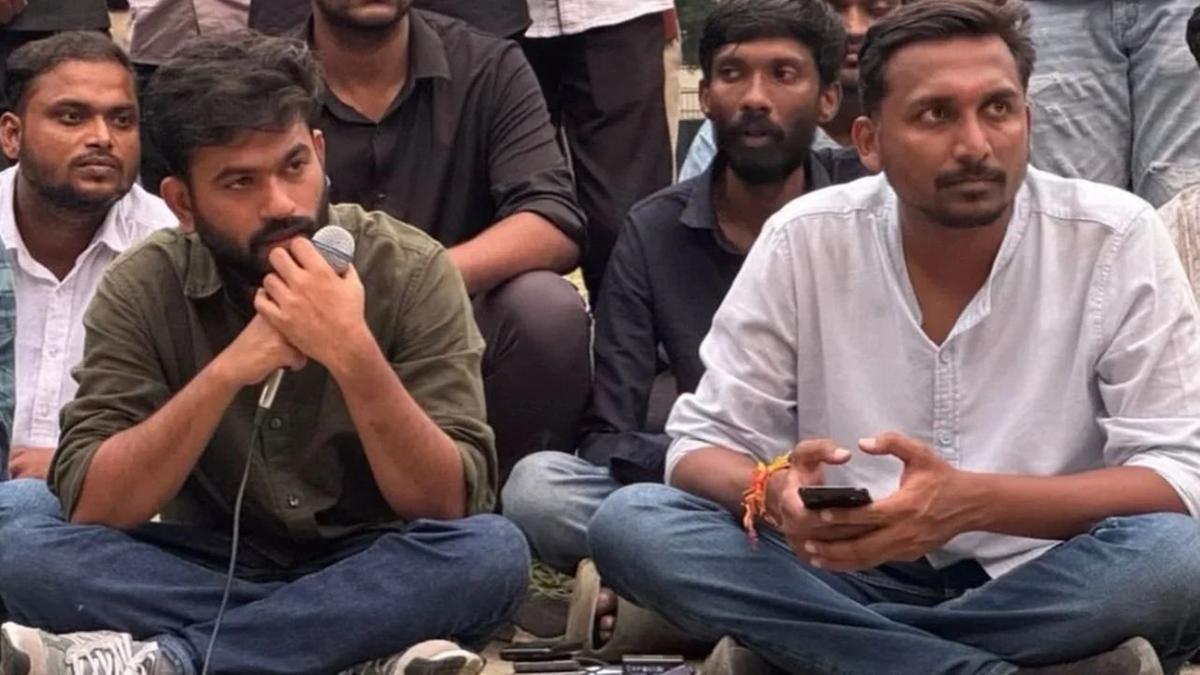
The Cockroach Janta Party (CJP) orchestrated a protest at Jantar Mantar on October 10, which led to the closure of several prominent markets across Delhi. The demonstration was reportedly against Chief Election Commissioner Gyanesh Kumar, though the article does not detail the specific grievances. This event underscores the frequent occurrence of political demonstrations in the national capital and their immediate ripple effects on urban life and commerce.
The CJP's protest, despite not being granted official permission, prompted significant security measures and advisories from authorities. The decision by market associations to shut down was largely a preemptive one, driven by past experiences where protests in proximity to commercial zones led to damage and disruption. This highlights a recurring tension between the right to protest and the economic stability of local businesses.
Khan Market
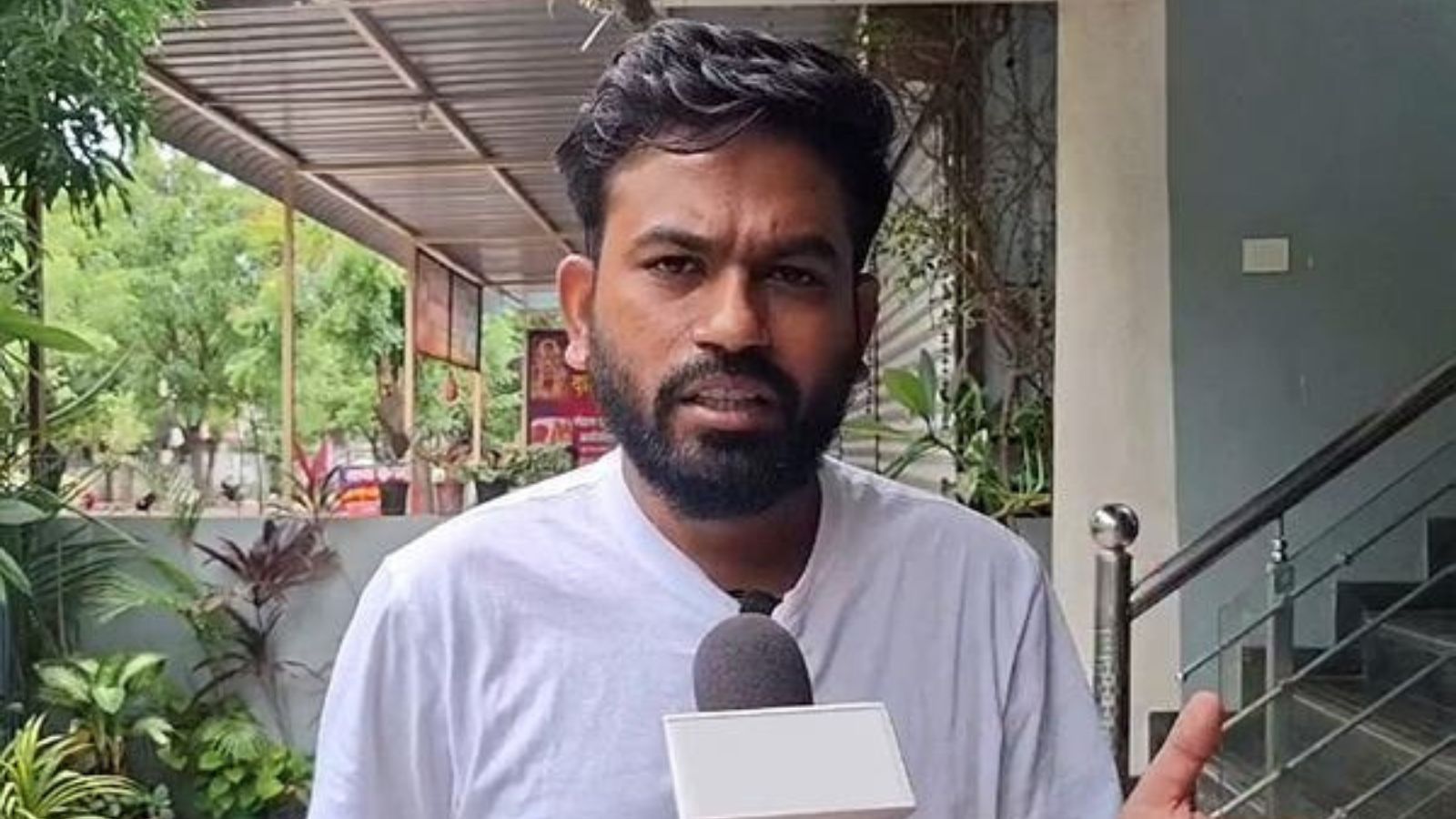
Khan Market, a high-profile commercial area, was among those significantly impacted by the protest-induced closures. Sanjiv Mehra, president of the Khan Market Traders Association, articulated the severe financial repercussions, estimating daily losses of ₹1 lakh to ₹1.5 lakh per shop. These figures account for high operating costs, including rent and salaries, which persist even when establishments are not generating revenue.
Beyond the direct loss of sales, the closure also poses challenges for businesses dealing in perishable goods, such as fruits and groceries, which face additional losses due to spoilage. Mehra's plea for political parties to conduct peaceful protests away from busy commercial areas reflects the frustration of traders who bear the brunt of such disruptions. The article notes that Khan Market is often among the first to be affected when protesters are stopped nearby, raising fears of property damage.
Delhi Police
In anticipation of the CJP's proposed stir, the Delhi Police implemented extensive preventive measures to manage the situation and maintain law and order. Approximately 500 protesters attempting to reach Jantar Mantar were detained across the New Delhi area. This proactive approach included the use of drones for surveillance to monitor the movement of people and prevent large gatherings at the protest site.
Furthermore, police sources indicated that over 600 individuals with criminal records were preventively detained across all 15 districts of the national capital. This action aimed to preclude any potential escalation of the situation or creation of a law-and-order problem during the demonstration. Surveillance was also intensified outside the residences of individuals suspected of mobilizing crowds, demonstrating a comprehensive strategy to control the protest's impact.
Key points
- Several major Delhi markets, including Connaught Place and Khan Market, closed on October 10 due to a CJP protest at Jantar Mantar.
- Traders cited security concerns, potential disruption, and significant financial losses as reasons for the closures.
- Khan Market Traders Association president Sanjiv Mehra estimated daily losses of ₹1-1.5 lakh per shop, exacerbated by perishable goods.
- Delhi Police detained around 500 protesters and over 600 individuals with criminal records as preventive measures.
- Market associations' decisions to close were advisory, with individual shops making their own choices, though many opted to shut down.
The ongoing pattern of protests leading to market closures could severely impact the livelihoods of small business owners and daily wage earners, potentially leading to long-term economic instability in affected commercial areas. Continued disruptions and the associated financial losses might deter future investments and reduce consumer confidence, creating a cycle of economic downturn for local traders.