Demand at baby bank 'has never been higher'
Hartlepool Baby Bank, which provides free items for children, is experiencing unprecedented demand, serving about 150 families weekly, a tenfold increase since 2019.
Intelligence analysis by Gemini 2.5 Flash
The Hartlepool Baby Bank, a community organization offering free clothes, toys, and equipment for children, reports its highest-ever demand, attributing the surge to parents struggling with finding suitable work and rising childcare costs, reflecting broader economic challenges and a significant increase in families seeking help.
Imagine a special shop called a 'baby bank' that gives free things like clothes and nappies to families who need a little help. More and more families are visiting this shop because it's hard for parents to find jobs that pay enough and childcare is very expensive, making it tough to buy everything their babies need.
Analysis
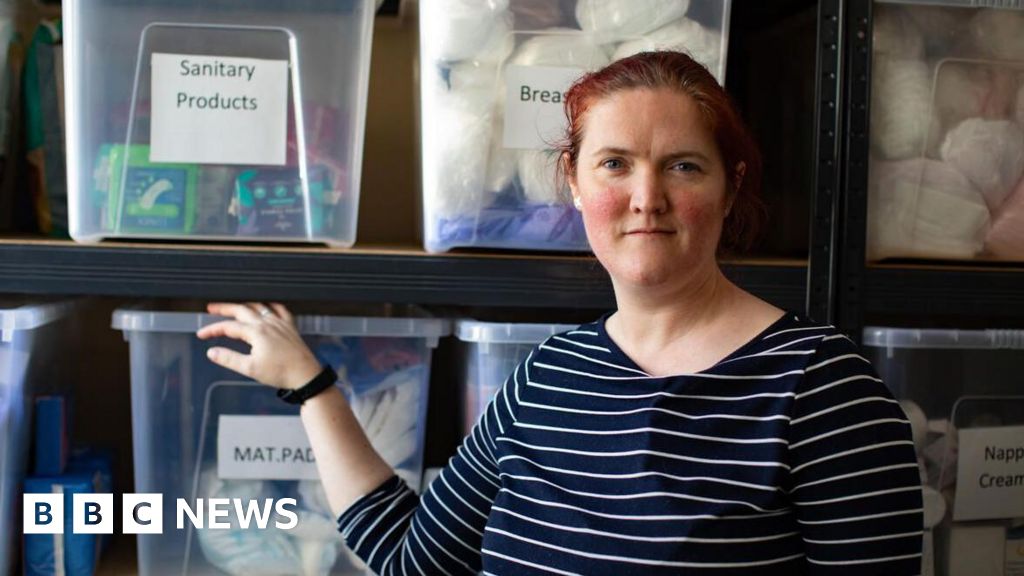
Emilie de Bruijn, chair and founder of Hartlepool Baby Bank, stated that demand for their services has "never been higher." The organization now assists approximately 150 families each week, a substantial increase from the 15 families they helped when they opened in 2019. De Bruijn noted, "Parents can't find work that fits round children, childcare costs keep rising, people are just really struggling." Government figures for 2024/25 reveal that 27% of children in Hartlepool live in absolute poverty, defined as a household income below 60% of the national average. The baby bank, which began by supporting a small number of families, quickly saw demand grow, with de Bruijn recalling, "We started with six families our very first week, 12 on our second, then 30, then 50 - people just kept coming." This year alone, the bank has served 139 new families and recorded over 2,000 repeat referrals. De Bruijn observed a shift in needs: "A few years ago they'd just be looking for shoes, now they need coats, they need clothes as well." While most items are donated, the bank purchases essentials like nappies and maternity pads, which are in high demand. De Bruijn emphasized the community aspect, stating, "It's one family to another, it's a community supporting itself," and highlighted that many beneficiaries are "working-poor" caught in a cycle due to childcare expenses.
Key points
- Hartlepool Baby Bank faces unprecedented demand, assisting 150 families weekly, a tenfold increase since 2019.
- Rising childcare costs and difficulty finding suitable work are major drivers of increased need.
- 27% of children in Hartlepool live in absolute poverty according to 2024/25 government figures.
- The bank has served 139 new families and over 2,000 repeat referrals this year, with families requesting more diverse items than before.
- Donations are crucial, especially for items like nappies and maternity pads, as many beneficiaries are the 'working-poor'.
Increased awareness of the Hartlepool Baby Bank's struggles could lead to more community donations and government support, potentially expanding their services and alleviating some financial pressure on struggling families. The story also highlights the strong community spirit and mutual aid among residents.
If demand continues to rise without adequate funding or donations, the Hartlepool Baby Bank may struggle to meet the growing needs of families, leading to more children living in poverty and experiencing hardship. The underlying economic issues, such as high childcare costs and limited work opportunities, show no signs of immediate improvement.