Did a father use his 6-year-old son as an alibi for murder?
Reginald Reed Jr. spent over 20 years wondering who killed his mother, Selonia Reed, in 1987. His father, Reginald Reed Sr., was found guilty of second-degree murder in 2022.
Intelligence analysis by Llama 3.3 70B
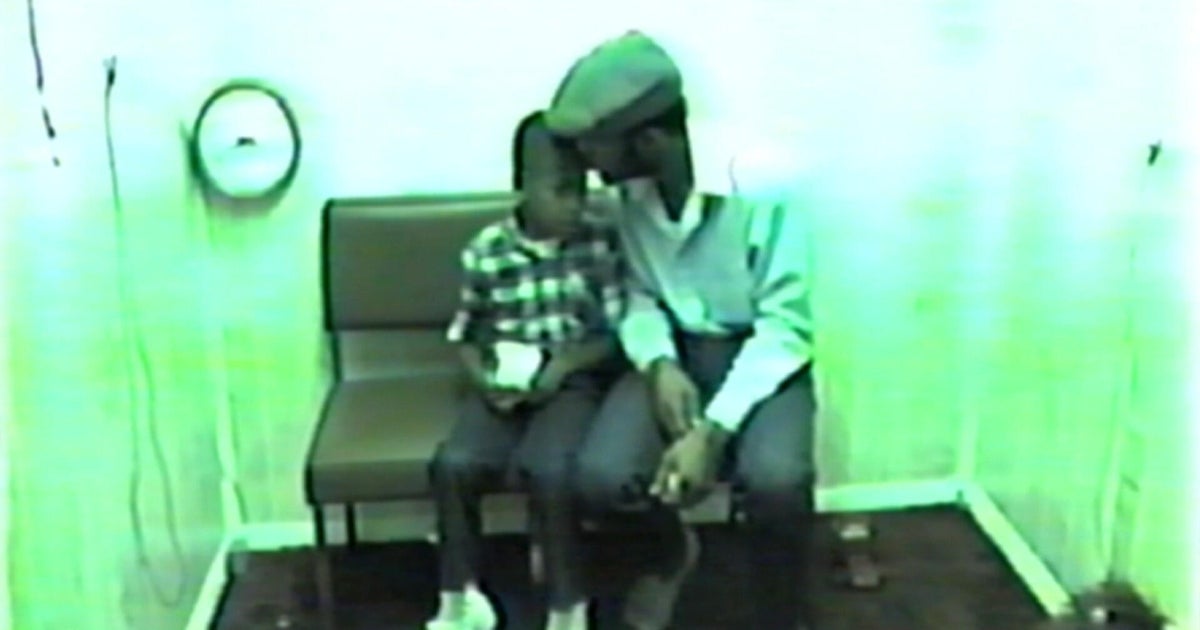
A Louisiana father was convicted of murdering his wife in 1987, with his 6-year-old son potentially used as an alibi. The son, now an adult, struggles to accept his father's guilt.
A man's wife was murdered in 1987, and he said his 6-year-old son was with him at the time. But now, the son is grown up and wondering if his dad really did it. It's a very sad and confusing story.
Analysis
The Murder Investigation
The murder of Selonia Reed in 1987 was a shocking crime that went unsolved for over two decades. The investigation was hindered by a lack of evidence and conflicting testimonies. Reginald Reed Sr., Selonia's husband, reported her missing and claimed she had gone out with a girlfriend the night before. However, the girlfriend later denied these plans, raising suspicions about Reginald's involvement.
Reginald's son, Reginald Reed Jr., was only 6 years old at the time of the murder. He was questioned by police and provided an alibi for his father, stating they had spent the evening playing video games and sleeping in the same sofa bed. This alibi was potentially coerced, as Reginald was present during the interview and may have influenced his son's testimony.
New Evidence and Conviction
Years later, new evidence emerged, and Reginald Reed Sr. was indicted for second-degree murder. The prosecution's case relied on testimony from an alleged accomplice, Jimmy Ray Barnes, who claimed to have met Reginald at the crime scene. Barnes' testimony was crucial in securing Reginald's conviction, but it has also raised questions about the reliability of eyewitness testimony and the potential for false confessions.
Reginald Reed Jr. has struggled to come to terms with his father's guilt, citing the loving relationship they shared and the fact that his father had provided for him and raised him to be a successful person. This emotional conflict highlights the complexities of family relationships and the challenges of reconciling past experiences with new information.
Legacy and Impact
The case of Selonia Reed's murder has had a lasting impact on her family and the community. Reginald Reed Jr. has written a memoir about his experiences, titled 'The Day My Mother Never Came Home.' The book provides a personal and emotional account of the events surrounding his mother's murder and his subsequent journey towards healing and understanding.
The case also raises important questions about the use of children as alibis and the potential for coercion or manipulation. It highlights the need for careful consideration and sensitivity when dealing with child witnesses and the importance of ensuring that their testimony is reliable and voluntary.
Key points
- Reginald Reed Sr. was found guilty of second-degree murder in 2022
- His son, Reginald Reed Jr., was 6 years old at the time of the murder and provided an alibi for his father
- New evidence emerged, including testimony from an alleged accomplice
- The case raises questions about the use of children as alibis and the reliability of eyewitness testimony
The conviction of Reginald Reed Sr. brings a sense of closure and justice for the family and community. It also highlights the importance of perseverance and determination in solving cold cases, and the potential for new evidence and technologies to shed new light on old crimes.
The case raises concerns about the reliability of eyewitness testimony and the potential for false confessions. It also highlights the emotional toll on families and the challenges of reconciling past experiences with new information, which can lead to ongoing trauma and uncertainty.