Dismay as Trump officials to dismantle key ocean monitoring system
Trump officials plan to dismantle the $368m Ocean Observatories Initiative, ending real-time data from a major ocean monitoring network.
Intelligence analysis by GPT-5.4 Mini
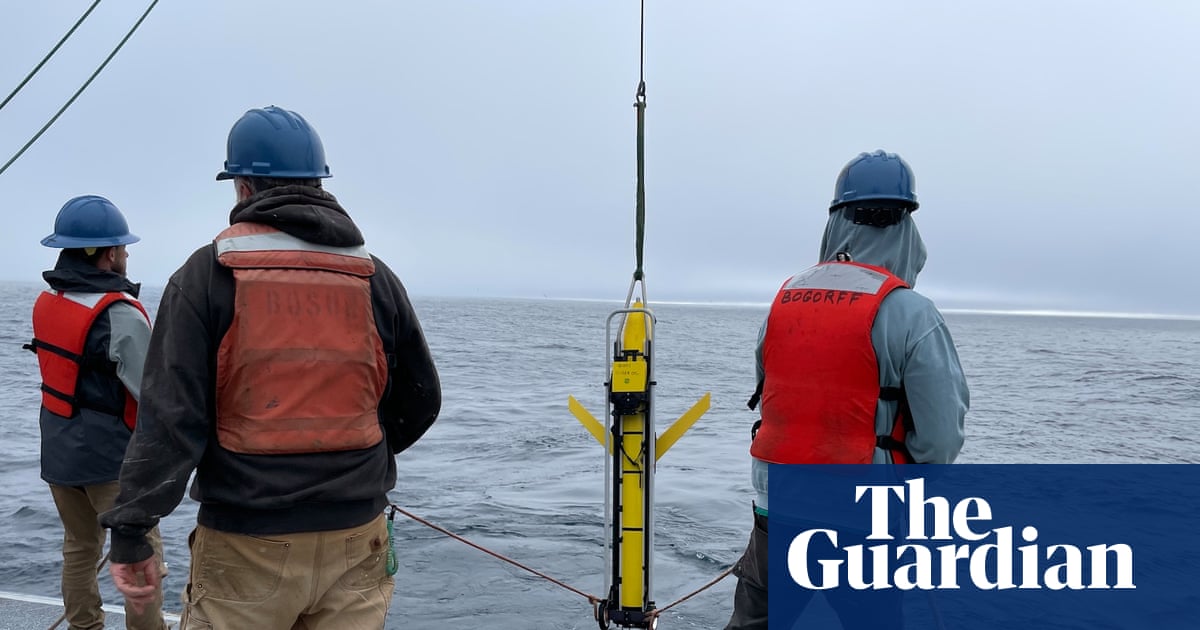
The NSF says it has begun “descoping” the Ocean Observatories Initiative, a network of more than 900 instruments that has tracked ocean health, climate variability and marine life for over a decade. Scientists warn the shutdown will cut off valuable data and make the system hard to rebuild.
A giant underwater science network has been watching the ocean like a long-term doctor checks a patient. If the tools are taken out, scientists lose important clues about changing seas, and putting the system back later could be much harder.
Analysis
What is being dismantled
The Trump administration plans to pull apart the Ocean Observatories Initiative, a $368m deep-sea observing system that has been operating since June 2016. The National Science Foundation says it has started a “descope” of the program, which includes more than 900 instruments measuring ocean health, current patterns, climate variability and marine biodiversity.
What will happen
According to the NSF notice, the plan is to remove all in-water infrastructure from sites off North Carolina, Oregon, Washington and Alaska, plus the Irminger Sea between Greenland and Iceland. Jim Edson, the initiative’s principal investigator, said the work is expected to unfold over the next 15 months. As each array is recovered, the real-time data stream and observing capability at that location will end.
Why scientists are concerned
Researchers quoted in the article say the network has been unusually valuable because it delivers autonomous, long-running data that many labs could not collect on their own. Hilary Palevsky of Boston College said the system had become better over time and that the scientific community was only starting to make full use of the data already gathered.
Her concern is not only the immediate loss of observations. She also warned that the specialized team that knows how to deploy and maintain the instruments is being dismantled alongside the hardware, making future rebuilding difficult. That matters because the project has supported work on biological production, carbon sequestration, deep-ocean processes, fisheries and the Atlantic Meridional Overturning Circulation.
Broader context
The article frames the move as part of a wider rollback of science and climate initiatives under Trump, alongside efforts to expand deep-sea mining and loosen fishing rules. NSF head of media affairs Mike England said the program is not being cancelled entirely, but the notice and the planned removals suggest a major reduction in capacity rather than a simple trim.
Key points
- The NSF says it has initiated a reduction of the Ocean Observatories Initiative, not a formal cancellation.
- The plan would remove all in-water infrastructure from sites off four US coasts and from the Irminger Sea.
- Scientists say the system provides rare long-running data on ocean health, climate variability and marine ecosystems.
- Researchers warn that dismantling the hardware also risks losing the specialized expertise needed to rebuild it later.
- The data has supported work on carbon sequestration and Atlantic circulation, including AMOC studies.
If the NSF’s reduction leaves some core capacity intact, the agency could keep at least part of the network alive while focusing spending on newer priorities. A slimmer program might also preserve some expertise and data continuity instead of ending the effort outright.
If the planned removals go ahead, real-time ocean observations at several major sites will stop and a decade-plus data record will be broken. Scientists warn that the team and know-how needed to rebuild the system could also disappear, leaving a long-term gap in climate and ocean research.