Divorce, smartphones and control: How does the Taliban govern Afghanistan?
BBC Persian gains rare access to senior Taliban officials, including a provincial governor who once helped destroy the Bamiyan Buddhas, revealing the contradictions between the group's claims of modernization and its hardline rule over Afghan daily life.
Intelligence analysis by Llama
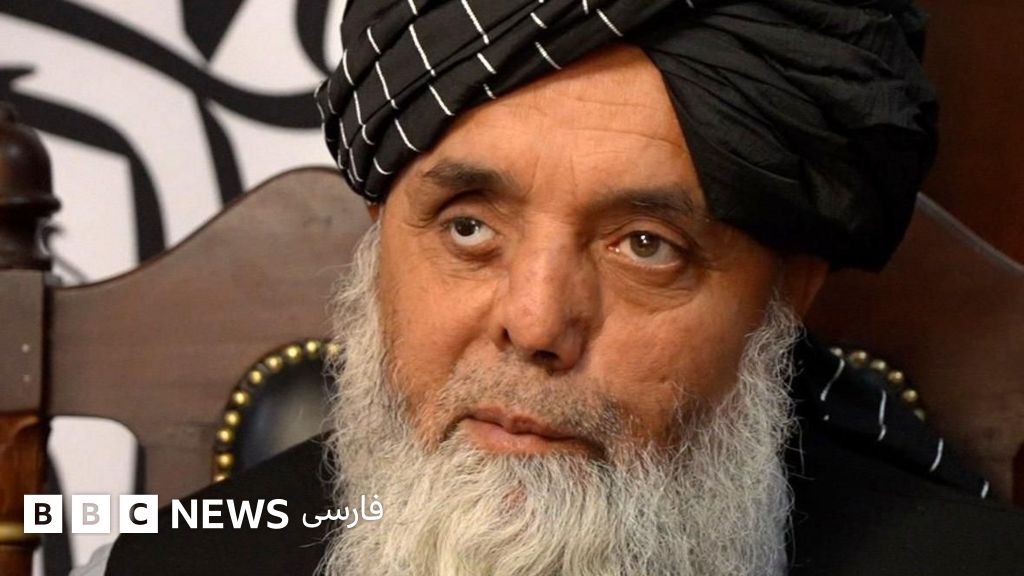
Five years after retaking power, the Taliban still enforces a strict interpretation of Islamic law, banning women from work, university, and public parks. BBC Persian interviewed former guerrilla commanders now governing provinces, exposing both everyday dysfunction and unresolved violence.
After taking over Afghanistan again, the Taliban say they've changed, but they still make strict rules: women can't go to school, work, or parks, and a woman who wants to leave a bad marriage has to beg a male governor for permission. Some of the same fighters from the old wars now run the country.
Analysis
Abdullah Sarhadi and the 18-year-old bride
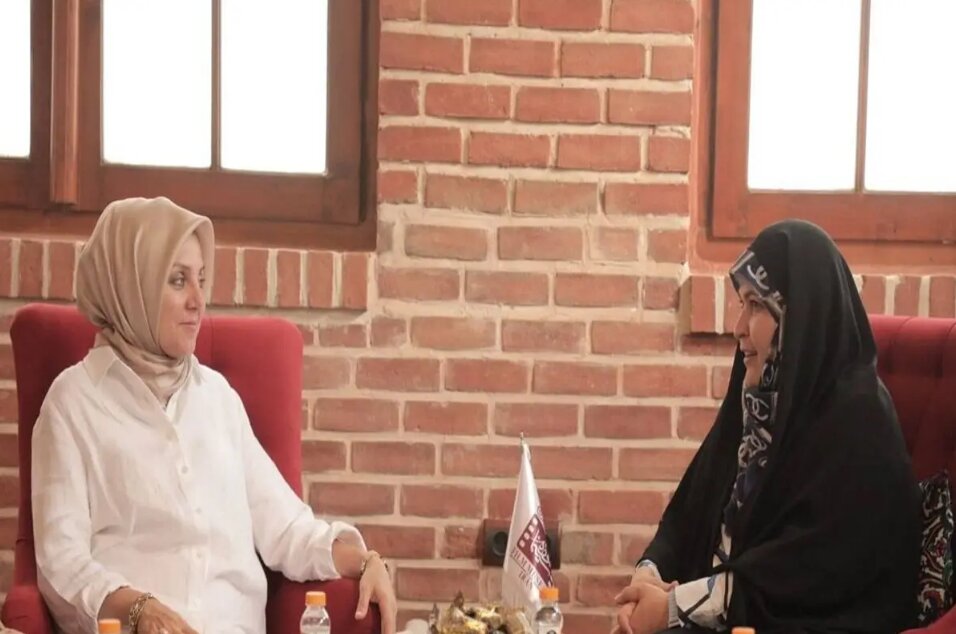
In the northern Afghan city of Sheberghan, an 18-year-old woman named Toba (a pseudonym) sits across from Governor Abdullah Sarhadi and demands a divorce from her abusive husband. Her face is hidden behind a veil and sunglasses. Women in Taliban-controlled Afghanistan are banned from secondary school, university, most workplaces, parks, and solo travel, yet Toba calmly insists she will not accept a refusal. Sarhadi, a former Taliban military commander who spent years in Guantanamo before returning to serve as governor, tries to dissuade her and later describes women as "brainless" and "mentally incomplete," drawing laughter from male aides and elders. The scene captures a central tension of Taliban rule: women excluded from public life still appear before male officials seeking rulings on marriage, divorce, and domestic violence. Toba's case illustrates how the regime's interpretation of Sharia makes divorce nearly impossible without a husband's consent, often requiring the wife to forfeit her mahr (dowry) or pay an additional sum.
Habibullah Badr and the Bamiyan Buddhas
Sarhadi admits to personally participating in the destruction of the giant Bamiyan Buddha statues in the 1990s, calling it "a divine command" and rejecting any regret: "We are idol-breakers, not idol-sellers." The same pattern emerges in Kabul with Habibullah Badr, who acknowledges he once planned suicide attacks for the Taliban in the capital and now serves as deputy head of the national prison administration — the same prison where he once faced a death sentence under the previous US-backed government. Badr avoids specifics about civilian casualties from Taliban bombings, saying the group targeted only American convoys and that civilians were warned to stay away. His reluctance to engage with the human cost of his past operations reveals a leadership that has rebranded itself as a government while declining to reckon with its wartime record. Thousands of Afghan civilians died in Taliban suicide attacks during the insurgency.
The smartphone ban and the speed of paperwork
A newly imposed ban on officials using smartphones has slowed routine administration. Sarhadi, working from an old mobile with a small screen, complains that documents and replies now move more slowly than before. His reluctance to elaborate ("if I say more about these bans, it will cause trouble") hints at internal Taliban discipline. The ban reflects the leadership's broader anxiety about information control, paralleling the restrictions on women, travel, and media. Officials must navigate a system where speaking frankly about policy carries risk even within the movement's own ranks.
Key points
- An 18-year-old Afghan woman publicly demands a divorce from an abusive husband before a Taliban governor, highlighting the regime's tight control over women's personal status.
- Governor Abdullah Sarhadi admits to personally destroying the Bamiyan Buddhas and describes women as 'mentally incomplete,' underscoring the continuity between 1990s Taliban ideology and current rule.
- Habibullah Badr, a former planner of suicide attacks in Kabul, now serves as deputy head of the national prison system, illustrating how wartime commanders have become state administrators.
- A recent Taliban ban on officials using smartphones has slowed government work and signals the leadership's anxiety over information control.
- Five years after the 2021 takeover, women remain barred from secondary school, university, most work, parks, and solo travel under the Taliban's strict interpretation of Sharia.
The article suggests Taliban governance is unlikely to moderate: senior officials openly express contempt for women's autonomy, refuse to engage with past atrocities, and suppress internal discussion of policy. For Iran, this means continued instability along its eastern border, persistent refugee pressure, and a regime in Kabul that resists accountability or reform.