Do China-Russia trade payment frictions show limits of de-dollarisation?
China and Russia have shifted most bilateral trade into their own currencies, but payments still face bottlenecks as Chinese banks avoid US sanctions risk.
Intelligence analysis by GPT-5.4 Mini
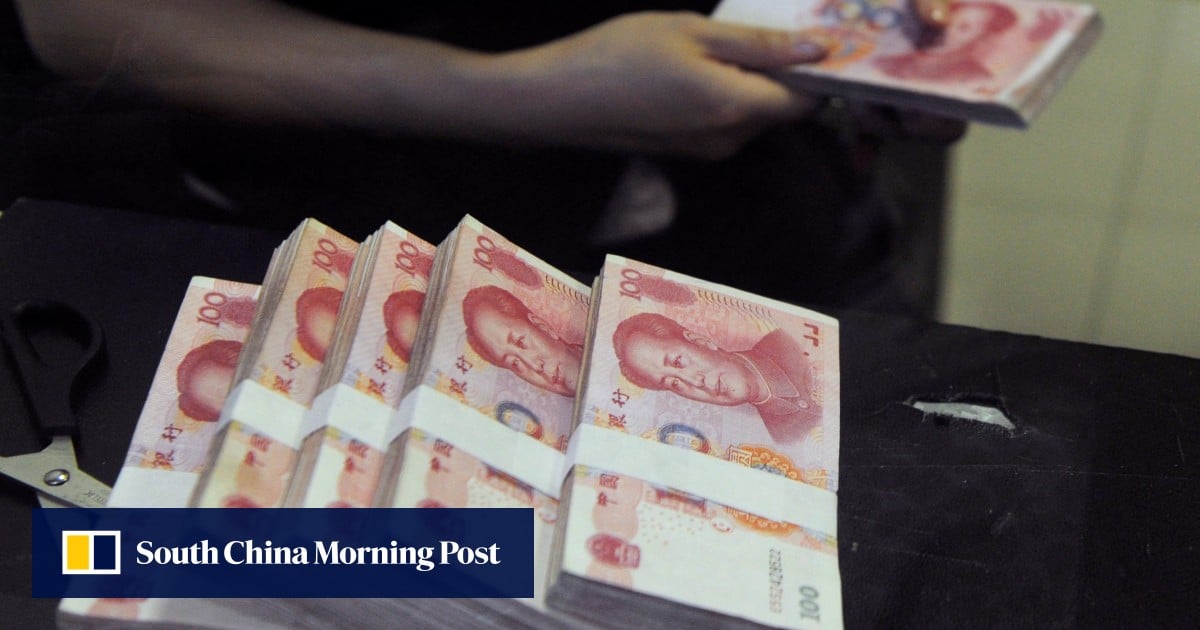
The article says de-dollarisation in China-Russia trade is real but incomplete: settlements have largely moved out of the dollar, yet Chinese banks are still adding checks and intermediaries to avoid secondary sanctions. That is making cross-border payments slower and less direct.
China and Russia are trying to trade without using dollars, like using their own playground tokens instead of store money. But the banks moving the tokens are nervous about getting into trouble with the US, so they add extra checks and extra middlemen, which slows everything down.
Analysis
What the article says
China and Russia have largely shifted bilateral trade settlement away from the US dollar, with most transactions now handled in their own currencies. Even so, the payment system is still running into friction because Chinese banks are wary of US sanctions exposure.
Where the bottleneck is
A senior Russian banker, Alexander Vedyakhin of Sberbank, says payment channels are becoming more complicated. According to him, transactions now often need extra intermediary banks, and some of those banks reject payments without explaining why. The practical result is that money moves more slowly and through more layers than before.
Why Chinese banks are cautious
The article says Chinese lenders are trying to do two things at once: keep trade with Russia flowing and avoid losing access to the dollar-based global financial system. That tension matters because the US can use secondary sanctions, which penalise foreign financial institutions that help certain Russian parties. The risk rose after Washington expanded those measures in late 2023 to pressure Russia’s war economy in Ukraine.
Bigger takeaway
The story does not say de-dollarisation has failed. It shows something narrower: even when countries try to settle trade in local currencies, the surrounding financial infrastructure still depends on banks that have to worry about US enforcement. That leaves the process partial, careful, and vulnerable to delay.
Key points
- Most China-Russia trade is now settled in yuan and roubles instead of dollars.
- Chinese banks are still cautious because of the risk of US secondary sanctions.
- Payments may need more intermediary banks, which can reject transactions without explanation.
- The article frames this as a practical limit on de-dollarisation, not a full reversal.
- The US expanded secondary sanctions in late 2023 to pressure Russia's war economy.
If the current shift continues, China and Russia could keep more of their trade in yuan and roubles, reducing their direct dependence on the dollar. More local-currency settlement would also make their trade ties less exposed to sudden dollar-related disruptions.
The article shows that sanctions fear can still choke payments even after a move away from the dollar. If Chinese banks keep tightening compliance, Russian lenders may keep losing direct access, and trade could remain slower and more fragile than the currency shift suggests.