Donald Trump threatens to bomb Oman if it 'gets in the way' of ending Iran war
Donald Trump has threatened to bomb Oman if it 'gets in the way' of the US-Israel war on Iran, the second such threat against the longtime US Gulf partner.
Intelligence analysis by Llama
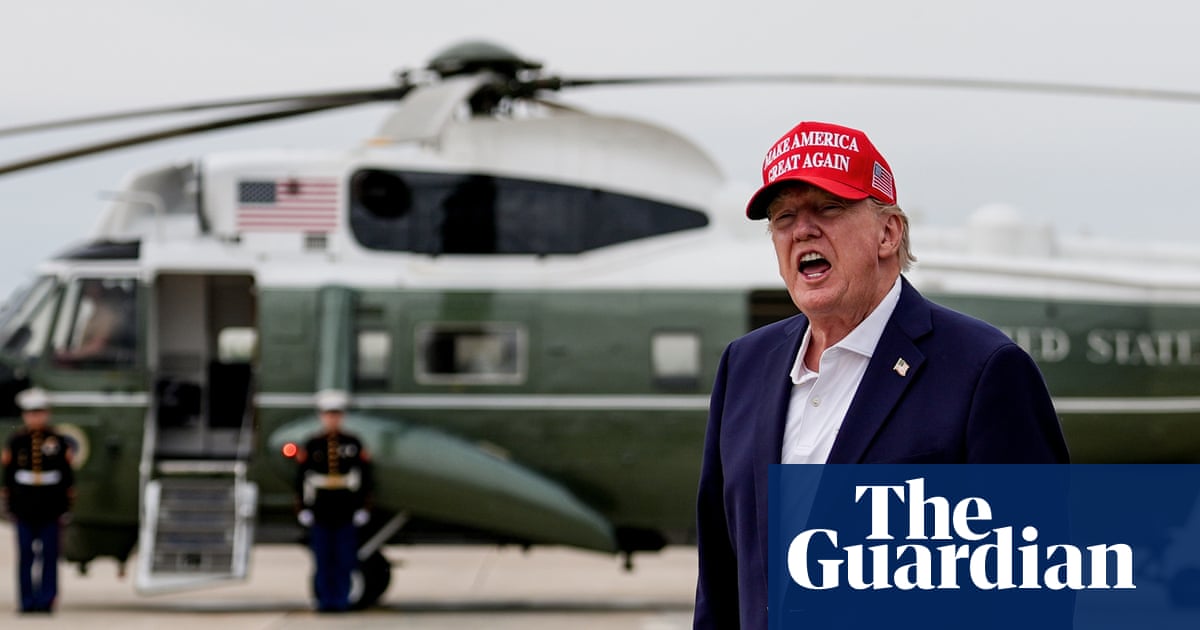
Trump threatened to 'bomb the shit out of' Oman on Fox News as a two-month diplomatic window to end the US-Israel war on Iran expired without a deal. The Strait of Hormuz remains all but closed since February.
The US president is angry that the war with Iran isn't ending. He warned Oman, a small country next to Iran, that if it doesn't help, the US might bomb it too. Oman has been the helpful neighbor trying to talk to both sides, and now it might get in trouble just for being nearby.
Analysis
The 17 June Versailles memorandum
The 60-day diplomatic window that closed on Monday was anchored by a memorandum of understanding Trump signed with Iran at the Palace of Versailles on 17 June, on the sidelines of the G7 summit. That agreement paused hostilities and set a maximum 60-day period, extendable only by mutual consent, for the two sides to negotiate a comprehensive deal covering sanctions relief, Iran's nuclear program, and other disputes. The expiration without a breakthrough leaves the war in a precarious limbo: active fighting continuing, but with the formal scaffolding of the diplomacy having collapsed.
Trump's own characterization of his posture, that he has "no time schedule" and is "not in a hurry" while simultaneously demanding Iran "put up the white flag of surrender," is a contradiction that has come to define the negotiating position. The red line he restated on Truth Social, that "Iran cannot have, in any way, shape, or form, a Nuclear Weapon," is the same line Tehran has long refused to cross publicly.
Strait of Hormuz chokepoint
The strait of Hormuz sits at the center of the conflict's economic logic. About a fifth of the world's seaborne oil typically transits this narrow waterway, and it has been "all but closed" since the US and Israel launched their war in February, according to the Guardian's reporting. Iran controls the northern shore; Oman controls the southern shore, which is why Trump's threats against Muscat carry immediate maritime consequences.
On Friday, Trump escalated further, threatening to declare the strait "a territory of the United States," a claim that has no basis in international law and would mark a dramatic expansion of the war's stated objectives. The economic pressure that closure exerts on global energy markets has been a feature of the conflict for months, and the failure of the Versailles window to reopen shipping suggests that lever is being kept deliberately tight rather than used as a bargaining chip.
The IRGC backchannel
Trump confirmed for the first time that Washington had opened a direct backchannel to Iran's Islamic Revolutionary Guard Corps, the very organization the US and Israel have been targeting militarily throughout the conflict. The IRGC has been both a battlefield adversary and, apparently, a negotiating partner. Trump's characterization of its leadership as "good poker players, but they're dying" suggests the channel exists under conditions of active combat rather than as a prelude to a pause.
Oman's mediation role adds another layer of complexity. The Gulf nation of 5.3 million people has decades of military and economic ties with the US, has served as a key backchannel between Washington and Tehran for years, and has itself come under attack from Tehran during the war, according to the Guardian, even as Muscat continued to facilitate talks. Iran's foreign ministry said on Monday that negotiations with Oman were "continuing in earnest" despite Trump's latest outburst, a statement that does little to clarify whether the diplomatic track remains salvageable or is being conducted entirely outside the framework Trump signed at Versailles.
Key points
- Trump threatened to 'bomb the shit out of' Oman on Fox News, the second such threat against the Gulf ally after a May cabinet remark
- A 60-day diplomatic window anchored by a 17 June Versailles memorandum expired Monday without a breakthrough
- Trump said he has 'no time schedule' and is 'not in a hurry' while demanding Iran 'put up the white flag of surrender'
- The Strait of Hormuz has been all but closed since February, choking roughly a fifth of global seaborne oil shipments
- On Friday Trump threatened to declare the Strait of Hormuz 'a territory of the United States' and confirmed a direct US backchannel to Iran's IRGC
A diplomatic breakthrough could reopen the Strait of Hormuz, easing oil prices and global supply pressures. Oman's continued mediation, with Iran saying talks are 'continuing in earnest,' offers at least one channel that has not been formally severed. If Trump clarifies that his threats are rhetorical pressure rather than operational intent, regional allies might keep facilitating backchannel negotiations.
Trump's threats to bomb a longtime US partner signal an escalation that could draw Oman, and by extension other Gulf states, into the conflict. With the Strait of Hormuz remaining closed and Trump floating the idea of declaring it US territory, oil supply disruptions could deepen. The IRGC backchannel, while notable, exists alongside active combat, raising the risk of miscalculation, and Trump's dismissal of munitions depletion as 'peanuts' ignores warnings from defense analysts that stockpiles are being drawn down faster than they can be replenished.
Market signals
- OIL The Strait of Hormuz has been all but closed since February and Trump's threats against Oman and a potential US territorial claim raise the risk of further disruption to roughly a fifth of global seaborne oil supply.
- XAU Escalating US threats against a strategic Gulf partner and the collapse of the 60-day diplomatic window reinforce safe-haven demand for gold.
AI-generated analysis of potential market relevance. Not financial advice.