US tourist dies after being struck by lightning on Italy's Mount Etna
A 29-year-old tourist from Kansas was killed by a lightning strike while hiking in a restricted area of Mount Etna in Sicily, Italian firefighters said.
Intelligence analysis by Llama
A 29-year-old American from Kansas was struck and killed by lightning on Mount Etna while hiking in a zone closed to visitors due to ongoing volcanic activity. The death highlights the hazards that linger on Europe's most active volcano even outside eruption windows.
A 29-year-old man from the US was hiking up Mount Etna, a big volcano in Sicily, even though part of the mountain was closed because the volcano had been acting up. A bolt of lightning hit him on a high, bare part of the trail, and rescuers could not save him. The mountain is famous but also dangerous, because storms up high are often deadlier than the lava itself.
Analysis
Sunday's strike on the Catania flanks
The 29-year-old tourist from Kansas was killed after being hit by lightning in an exposed stretch of Mount Etna above the tree line, according to Italian firefighters. He had been hiking Sunday evening in a section of the volcano that authorities had already closed to visitors because of Etna's ongoing eruptive behavior. After the strike, a helicopter rescue team reached the man, but medical personnel later declared him dead. His name has not been released, and the article does not identify any traveling companions or the operator of the hike. The death is the latest in a long pattern of weather-related fatalities on Etna, where Italian officials said lightning has killed more hikers over recent decades than volcanic activity itself has.
Prolonged eruptive activity and the Voragine crater
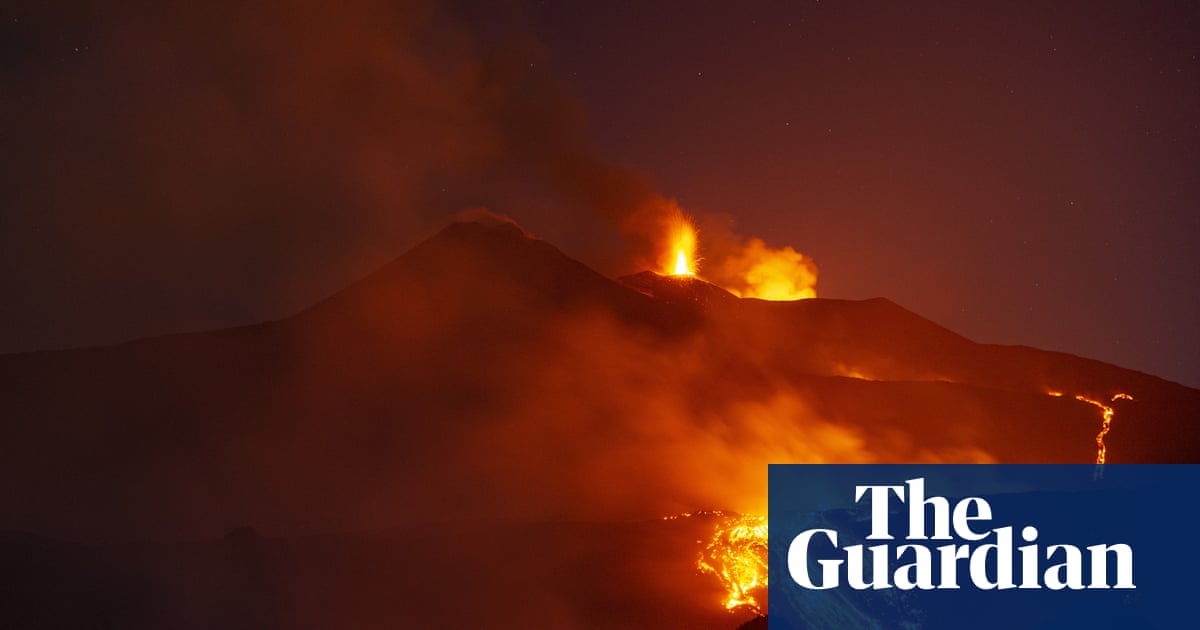
The fatal hiking trip took place against the backdrop of sustained volcanic unrest. Photographers documented continued eruptive activity and ash emissions from Etna's Voragine summit crater in Catania as recently as 14 August, three days before the lightning strike. That activity was severe enough to force the closure of Catania airport for most of the previous week, a reminder of how Etna's behavior can ripple well beyond the mountain itself into Sicilian transport, tourism, and emergency services. Despite that disruption, restricted zones on the volcano's slopes were not sufficient to keep every visitor out, and the Kansas man's death is now a test of how clearly those boundaries are marked and enforced on the ground.
The 1987 benchmark and Etna's risk profile
Officials quoted in the article noted that the last eruption-related fatalities on Etna were recorded in 1987, underscoring that direct volcanic causes have rarely been the main killer on the mountain. Instead, weather, altitude, and the volcano's tendency to generate sudden storms above the tree line have historically posed a more consistent threat to hikers. The latest death suggests those long-running hazards are not adequately deterred by existing trail closures, signage, or public warnings, particularly when the mountain simultaneously attracts visitors drawn by its active state. The incident is likely to feed into a wider review of access policy on Etna, where authorities must balance heavy tourism demand against the recurring combination of ash, altitude, and electrical storms that define the Sicilian giant.
Key points
- A 29-year-old US tourist from Kansas was killed by a lightning strike on Mount Etna while hiking in a closed area above the tree line on Sunday evening.
- Italian firefighters said the section had been restricted to visitors because of recent volcanic activity from Etna's Voragine summit crater.
- The same period of eruptive activity had already forced the closure of Catania airport for most of the previous week.
- Officials noted that lightning has killed more people on Etna over recent decades than volcanic eruptions, with the last eruption-related fatalities recorded in 1987.
- The man's name has not been released, and it is not yet clear how he accessed the restricted zone.
The fatal accident may push Italian authorities to tighten enforcement of restricted zones on Mount Etna and improve storm-warning systems for hikers, reducing the chance of similar lightning deaths in future. A clearer perimeter and better communication could protect visitors while still allowing controlled access during quieter eruptive phases.
If access rules are not more strictly enforced, more visitors could enter closed slopes during ongoing eruptive activity and be exposed to the same combination of ash, altitude, and electrical storms. Repeated incidents risk damaging Sicily's reputation as a safe volcano-tourism destination and could trigger heavier restrictions that hurt local guides, hotels, and Catania's already-disrupted airport traffic.