Donald Trump's 10% Global Tariff Expired on July 24. Its Section 301 Replacement Covers 60 Countries at Rates of 10% to 12.5%
The temporary 10% global tariff expired on July 24, and a new set of duties went into effect, built on Section 301 of the Trade Act of 1974, covering the top 60 U.S. trading partners at rates of 10% to 12.5%. This move signals that tariffs are likely to be a lasting featu…
Intelligence analysis by Llama
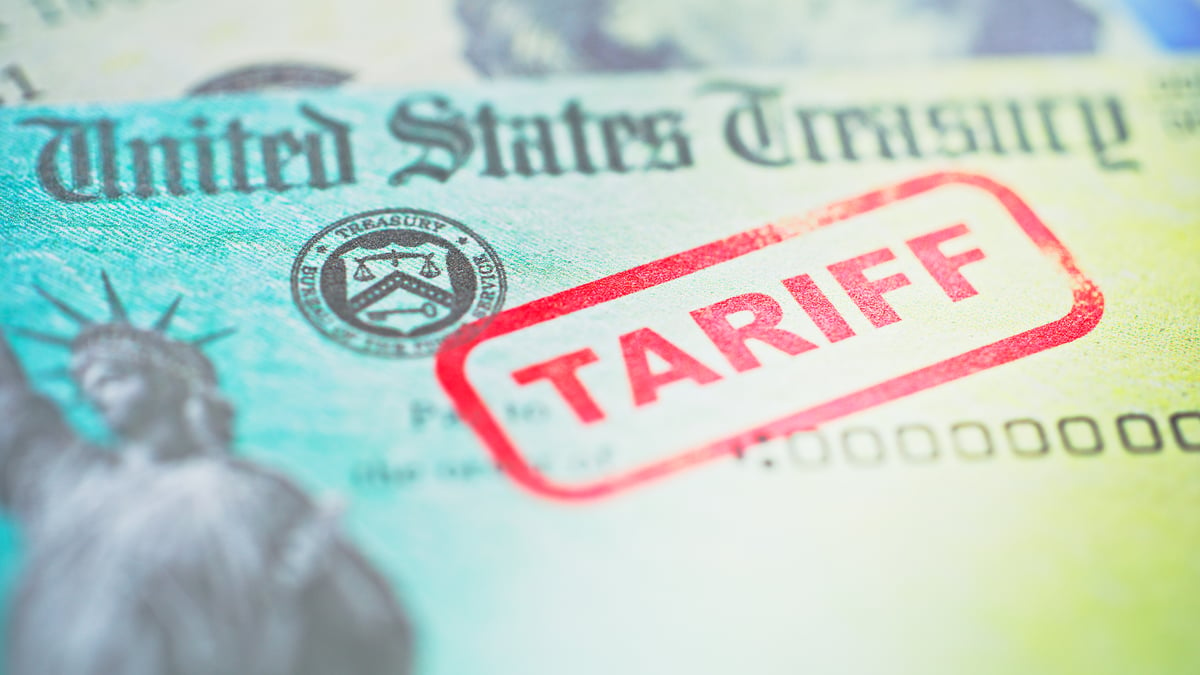
The new tariffs are built on a firmer legal footing than emergency powers, making them harder to challenge in court. Import-reliant companies face ongoing pressure on margins unless they can pass higher costs to shoppers.
Imagine you're buying a pair of shoes from a store. The store has to pay a little extra money to the government because of the new tariffs. This extra money might make the shoes a bit more expensive for you. Some companies that make things in other countries might have a hard time paying this extra money, so they might have to raise their prices. But some companies that make things in the US might be able to keep their prices the same or even lower them because they don't have to pay the extra money.
Analysis
A $60B Vote of Confidence
The recent tariffs have sent a clear signal that they are here to stay. The new rates of 10% to 12.5% on nearly all imports are a standing cost of doing business, not a temporary shock. Import-reliant sellers of apparel, footwear, furniture, and electronics face ongoing pressure on margins unless they can pass higher costs to shoppers.
Why Cursor?
A company like Nike, which sources much of its product overseas, has to keep absorbing or passing along that tax. Meanwhile, domestic producers such as Nucor get a modest edge as imported goods grow pricier. It is worth staying balanced here. Tariffs are ultimately a tax that can feed inflation and pinch consumers, and the forced-labor rationale invites retaliation and fresh disputes abroad.
The Road Ahead
The lesson is not to bet on tariffs disappearing. It is to assume they stick. To me, that argues for favoring businesses with genuine pricing power and domestic or diversified supply chains, staying cautious on thin-margin importers, and treating each trade headline as noise around a baseline that now looks far more permanent than it did a month ago.
Key points
- The temporary 10% global tariff expired on July 24, and a new set of duties went into effect, built on Section 301 of the Trade Act of 1974.
- The new tariffs cover the top 60 U.S. trading partners at rates of 10% to 12.5%.
- Import-reliant companies face ongoing pressure on margins unless they can pass higher costs to shoppers.
- Companies with pricing power and domestic or diversified supply chains are better positioned than thin-margin importers if tariffs remain in place for years.
If the new tariffs stick, companies with pricing power and domestic or diversified supply chains might be able to pass the costs on to consumers without hurting their bottom line. This could lead to a more stable and predictable business environment.
If the new tariffs lead to retaliation and fresh disputes abroad, it could create a trade war that hurts consumers and businesses alike. This could lead to higher prices, reduced economic growth, and increased uncertainty.