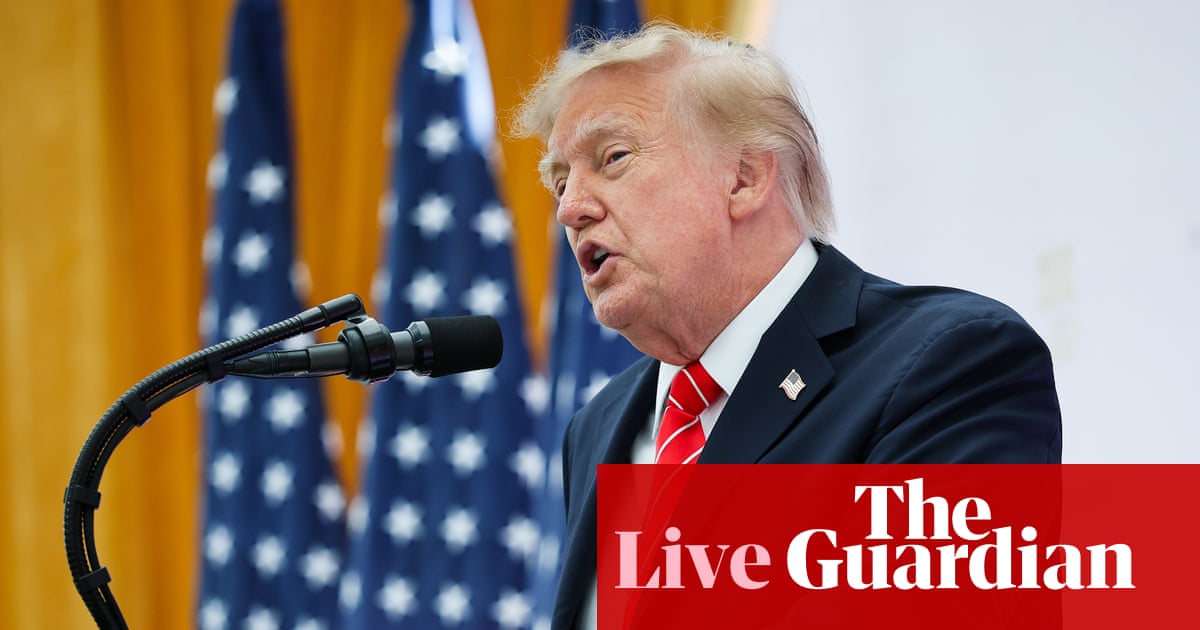
Donald Trump's 'Liberation Day' tariff refunds hit $100bn
The US government has paid back $100bn in 'Liberation Day' tariff refunds to businesses through US customs officials. This represents roughly 60% of all tariff revenue collected by the government under the policy.
Intelligence analysis by Llama
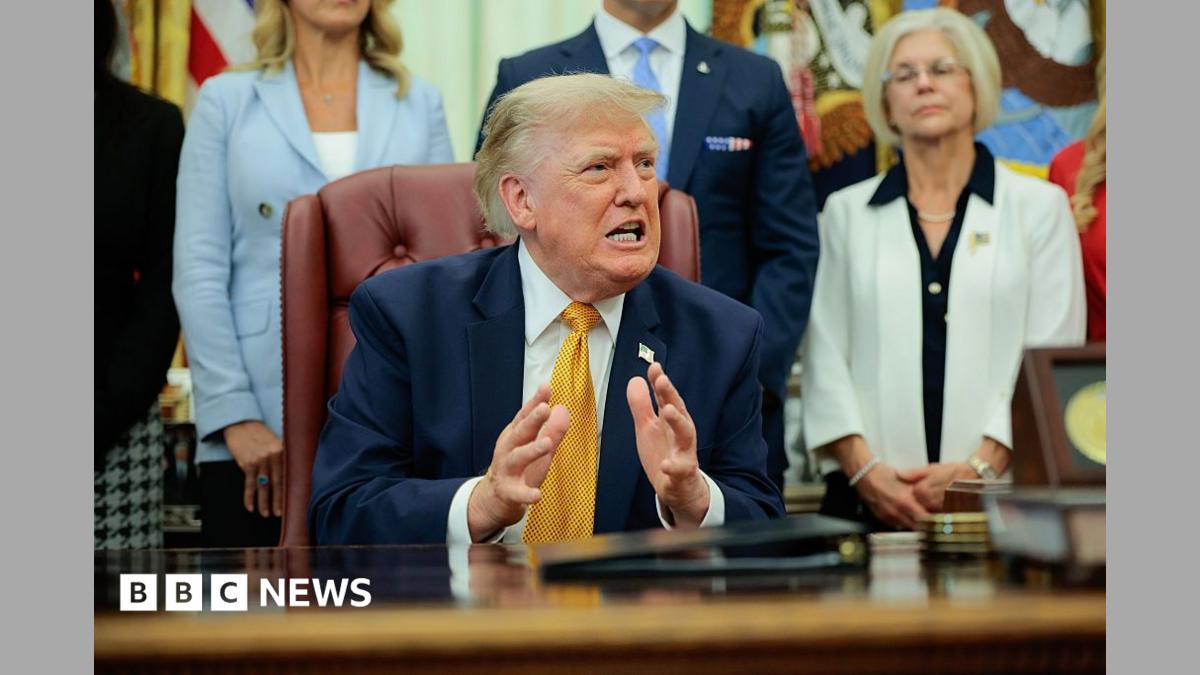
The US government has paid back $100bn in 'Liberation Day' tariff refunds to businesses, but a significant chunk of money remains unpaid. The repayments follow a major Supreme Court decision in February that ruled broad import tariffs introduced under economic powers were unlawful.
Imagine you're a business owner who imports goods from another country. The US government used to charge you a tax on those goods, called a tariff. But a court said that was unfair, so the government is now paying you back for those taxes. This is a big deal because it affects how businesses and consumers buy and sell goods.
Analysis
A $60B Vote of Confidence
The US government's decision to pay back $100bn in 'Liberation Day' tariff refunds to businesses is a significant development in the ongoing trade dispute between the US and its trading partners. The repayments follow a major Supreme Court decision in February that ruled broad import tariffs introduced under economic powers were unlawful.
The decision has far-reaching implications for businesses and the US economy. The tariffs were introduced by the Trump administration in an effort to protect American industries from foreign competition. However, the Supreme Court ruling has effectively overturned these tariffs, leaving businesses to absorb the costs.
The repayments are a vote of confidence in the US economy and a recognition of the impact of the Supreme Court decision on businesses. The Trump administration has introduced new tariffs on 60 trading partners, but the impact of these tariffs remains to be seen.
Why Cursor?
The US government's decision to pay back tariff refunds is a complex issue that raises several questions. Why did the Trump administration introduce the tariffs in the first place? What were the consequences of these tariffs for businesses and the US economy? How will the new tariffs introduced by the Trump administration affect trade between the US and its trading partners?
The answers to these questions are not straightforward. The Trump administration introduced the tariffs in an effort to protect American industries from foreign competition. However, the tariffs had the unintended consequence of raising costs for businesses and consumers. The new tariffs introduced by the Trump administration are intended to address these concerns, but their impact remains to be seen.
The Road Ahead
The US government's decision to pay back tariff refunds is a significant development in the ongoing trade dispute between the US and its trading partners. The repayments follow a major Supreme Court decision in February that ruled broad import tariffs introduced under economic powers were unlawful.
The decision has far-reaching implications for businesses and the US economy. The tariffs were introduced by the Trump administration in an effort to protect American industries from foreign competition. However, the Supreme Court ruling has effectively overturned these tariffs, leaving businesses to absorb the costs.
The repayments are a vote of confidence in the US economy and a recognition of the impact of the Supreme Court decision on businesses. The Trump administration has introduced new tariffs on 60 trading partners, but the impact of these tariffs remains to be seen.
Key points
- The US government has paid back $100bn in 'Liberation Day' tariff refunds to businesses.
- The repayments follow a major Supreme Court decision in February that ruled broad import tariffs introduced under economic powers were unlawful.
- The Trump administration has introduced new tariffs on 60 trading partners.
- The impact of the new tariffs remains to be seen.
If the new tariffs introduced by the Trump administration are successful in addressing the concerns of businesses and consumers, it could lead to increased trade between the US and its trading partners. This could have a positive impact on the US economy and help to create jobs.
However, if the new tariffs are not successful in addressing the concerns of businesses and consumers, it could lead to increased costs for businesses and consumers. This could have a negative impact on the US economy and lead to job losses.
Market signals
- XAU Escalation drives safe-haven demand for gold, per the article's framing of investor reaction.
AI-generated analysis of potential market relevance. Not financial advice.