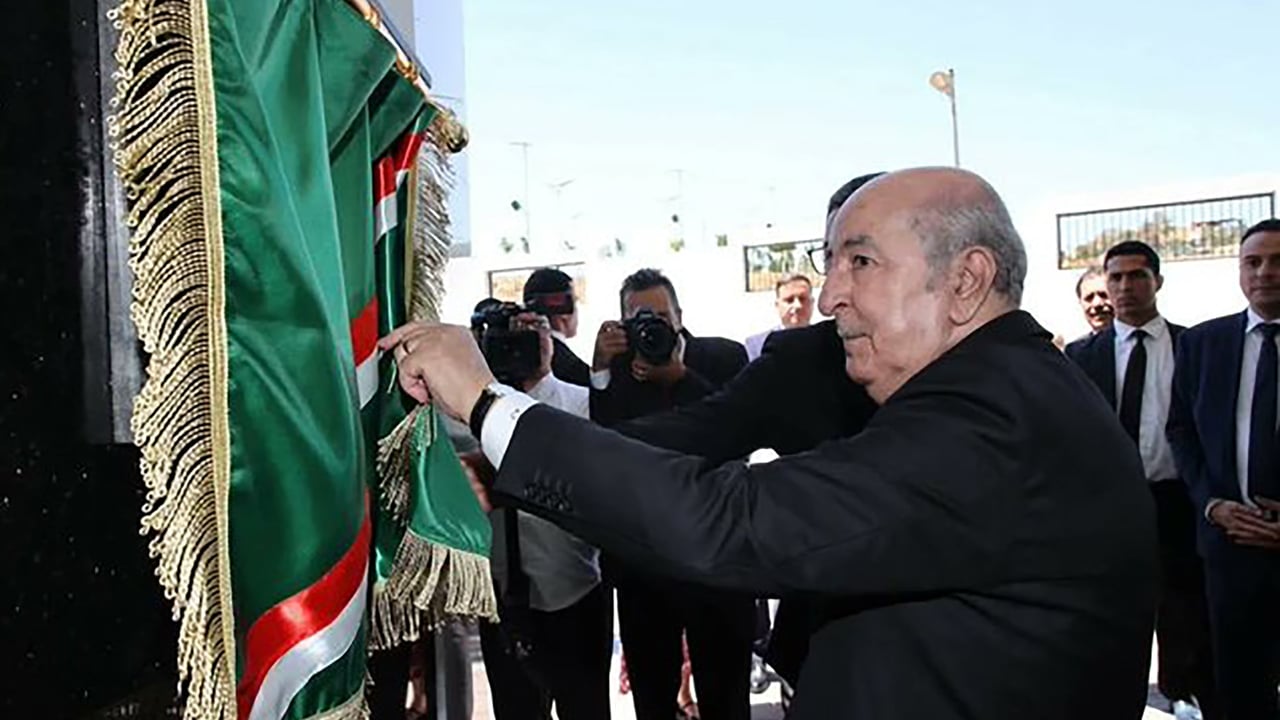
DRC: Félix Tshisekedi announces a national dialogue
DRC President Félix Tshisekedi announced a national dialogue, a long-standing demand from the opposition, amidst accusations that he seeks to revise the constitution to secure a third term.
Intelligence analysis by Gemini 2.5 Flash

The announcement follows a meeting with religious leaders and comes as the presidential majority pushes for a constitutional referendum that could allow Tshisekedi to run for a third term, sparking strong opposition and planned protests.
The president of a country called the DRC is setting up a big meeting to talk about the country's rules. This is happening because some people are worried he wants to change a rule so he can stay in charge longer, like trying to play an extra turn in a board game when the rules say you can't. There are also fights happening in the country, so everyone hopes this meeting can help make things calmer.
Analysis
The Call for National Dialogue
President Félix Tshisekedi of the Democratic Republic of Congo announced on July 17, 2026, the organization of a national dialogue, a move that has been a long-standing demand from the country's opposition. This announcement came after a crucial meeting between the head of state and representatives of the DRC's main religious confessions, who hold significant influence in the predominantly Catholic nation. While the president's office stated the dialogue aims to "consolidate national cohesion," specific conditions and modalities for its implementation remain undefined, with Cardinal Fridolin Ambongo, Archbishop of Kinshasa, indicating that these details would "become clearer as we go along." The timing of this initiative is critical, as it unfolds against a backdrop of heightened political tensions and ongoing security challenges in the eastern part of the country.
Constitutional Revision at the Core of Discontent
A central point of contention fueling the demand for dialogue is the controversial proposal to revise the Congolese Constitution. President Tshisekedi is nearing the end of his second term in late 2028, and the current Constitution limits presidential mandates to two five-year terms. However, the presidential majority is actively supporting a legislative proposal that would lead to a referendum on constitutional revision. Critics, particularly the opposition, view this as a thinly veiled attempt to pave the way for President Tshisekedi to seek a third term, thereby circumventing the established legal framework. The opposition, which emerged fragmented from the 2023 presidential elections, has since coalesced into a unified front specifically to oppose any changes to the fundamental law of the country, underscoring the gravity of the issue.
Navigating Political Fragmentation and Security Threats
The announcement of a national dialogue also takes place amidst a complex political and security landscape. The DRC is grappling with the resurgence of the M23 anti-government group, which has seized significant territory in the east, allegedly with support from Kigali. Kinshasa had previously resisted calls for a national dialogue that included certain opposition representatives, whom it accused of complicity with the M23. This accusation highlights the deep mistrust and polarization within the political class. The opposition, undeterred by past repression of their gatherings, has reiterated calls for peaceful marches to protest constitutional changes, with a major demonstration planned for July 22. The success of this dialogue hinges on its ability to bridge these profound divisions and address both the political grievances and the pressing security concerns facing the nation.
Key points
- President Félix Tshisekedi announced the organization of a national dialogue on July 17, 2026.
- The announcement followed a meeting with representatives of the DRC's main religious confessions.
- The opposition has long demanded such a dialogue, accusing Tshisekedi of seeking a third presidential term.
- A controversial bill supported by the presidential majority proposes a referendum to revise the Constitution, potentially allowing a third term.
- The dialogue aims to "consolidate national cohesion" amidst the ongoing M23 conflict in the eastern part of the country.
If the national dialogue is genuinely inclusive and constructive, it could ease political tensions, foster national cohesion, and lead to a consensus on constitutional matters. This could stabilize the country, allowing for a more unified approach to addressing the M23 conflict and other pressing security challenges.
The dialogue might fail to achieve meaningful consensus, especially if the opposition's demands regarding constitutional revision are not met or if the process is perceived as a mere formality. This could further entrench political divisions, potentially leading to increased unrest, protests, and instability across the country.