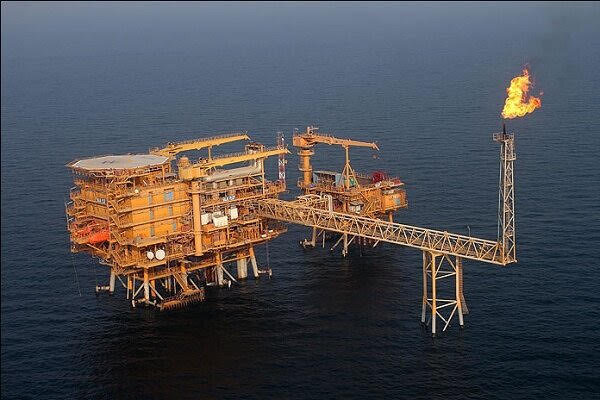
Drilling of wells in joint Balal field enters new phase
Iran has completed drilling for two wells in the joint Balal gas field, with the overall development project now 42% complete. This initiative is expected to boost Iran's daily gas production by 14 million cubic meters within two years, helping to alleviate the country's …
Intelligence analysis by Gemini 2.5 Flash
Iran is making significant progress in developing the joint Balal gas field, a strategic asset shared with Qatar, by completing initial drilling phases and advancing other work packages. The project, prioritized by the 14th administration, aims to substantially increase domestic gas production to address national energy needs and secure Iran's share of shared hydrocarbon resources ami…
Imagine Iran and its neighbor share a giant underground bubble of natural gas, like a big soda bottle. Iran is busy drilling holes into its side of the bottle, called the Balal field, to get more gas out. They've finished two holes and are halfway done with the whole project. In about two years, they hope to get a lot more gas every day, which will help keep homes warm and power factories, making sure Iran has enough energy.
Analysis
The development of the joint Balal gas field represents a critical strategic endeavor for Iran, aiming to significantly bolster its domestic energy production and mitigate a persistent gas imbalance. The project, currently 42% complete, has seen the successful drilling of two wells and the installation of the offshore jacket, marking substantial progress despite a challenging operational environment. Upon its full commissioning within the next two years, the Balal field is projected to add approximately 14 million cubic meters to Iran's daily gas production capacity. This increase is deemed a national necessity, particularly to meet peak demand and enhance the country's energy security. The comprehensive development plan encompasses five key work packages, including drilling, jacket construction, deck fabrication and installation, well completions, and pipeline construction, all of which are advancing according to schedule.
Balal Field
The Balal gas field, a shared hydrocarbon asset with Qatar in the Persian Gulf, holds an estimated 3 trillion cubic feet of gas and over 100 million barrels of proven gas condensates. Its development is pivotal for Iran's long-term energy strategy, serving as a vital resource to increase gas output and compensate for existing energy deficits. The project's current status reflects significant headway, with two of the eight planned wells already completed and batch drilling operations actively progressing for the remainder. Furthermore, the fabrication and installation of the deck, alongside the broader drilling and completion packages, have reached approximately 50% completion, indicating a steady trajectory towards operational readiness.
14th Administration
Under the current 14th administration, the acceleration of the Balal field's development has been a top priority, underscored by its designation as a national necessity. This administration has championed the project's continuity, ensuring its implementation has never been halted despite formidable external pressures. These challenges include stringent international sanctions, the widespread impact of the COVID-19 pandemic, and two regional conflicts that occurred during its tenure. The government's unwavering commitment highlights its strategic focus on restoring and enhancing the country's gas production capacity, thereby reducing reliance on imports and strengthening Iran's position in the regional energy landscape.
Qatar
The joint nature of the Balal field with neighboring Qatar introduces a competitive dimension to its development. Iran shares over 28 oil and gas fields with its neighbors, and the article specifically notes that Qatar has significantly outpaced Iran in production from the South Pars field, a shared giant, by approximately 1.5 times in recent years. This disparity has resulted in billions of dollars in lost revenue for Iran, intensifying the urgency to develop its shared resources more aggressively. To counter this, the Iranian government has committed a substantial $130 billion investment towards developing joint fields, aiming to secure its rightful share of these critical resources and address public concerns about potential losses to more proactive neighbors. The Balal project is a direct manifestation of this broader strategic imperative to safeguard national revenue and energy security.
Key points
- The joint Balal gas field development project is 42% complete.
- Drilling for two of the eight planned wells has been successfully finished.
- The project is expected to increase Iran's daily gas production by 14 million cubic meters within two years.
- The development has continued despite challenges including sanctions, COVID-19, and regional conflicts.
- Balal is a strategic joint hydrocarbon asset with Qatar, crucial for Iran's energy security and economic policy.
The successful and timely commissioning of the Balal field will significantly boost Iran's domestic gas production, directly addressing the country's energy imbalance and enhancing its energy security. This progress could also strengthen Iran's economic resilience by securing its share of shared resources and reducing reliance on energy imports.
Despite current progress, the project could face delays due to ongoing international sanctions, potential technical challenges in completing the remaining wells, or further regional conflicts. Such setbacks might hinder Iran from fully realizing the field's production potential, exacerbating its energy imbalance and potentially impacting national revenue.