Iran's agricultural production reaches 137 million tons
Iran's agricultural production has increased to 137 million tons, up from 130 million, despite severe challenges including drought, water scarcity, and international sanctions.
Intelligence analysis by Gemini 2.5 Flash
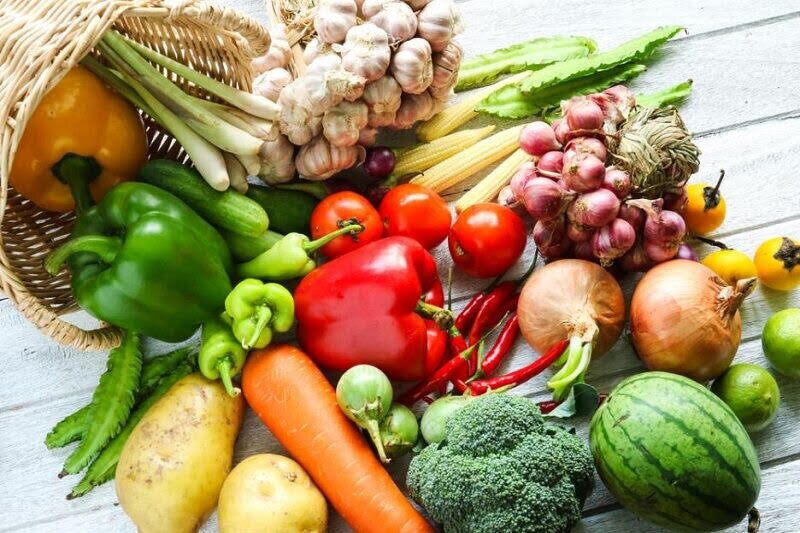
The Deputy Agriculture Minister announced a significant rise in Iran's agricultural output, emphasizing the sector's critical role in national food security. This growth was achieved amidst unprecedented drought conditions and resource limitations, highlighting the resilience and strategic efforts within the agricultural sector.
Imagine Iran is trying to grow enough food for everyone, even when there's not much rain and it's hard to get things from other countries. Well, they've done a super job, growing 137 million tons of food, which is like a giant mountain of fruits, veggies, and grains! They did this by finding clever ways to use less water and planting special kinds of seeds that grow better in dry places, making sure everyone has enough to eat.
Analysis
137 Million Tons
Iran's agricultural sector has achieved a notable milestone, increasing its total production to 137 million tons. This figure represents a substantial rise from approximately 130 million tons, underscoring a period of significant growth. The achievement is particularly remarkable given the backdrop of severe environmental and geopolitical challenges, including one of the most unprecedented drought periods in the last 50 years, alongside persistent water resource constraints and international sanctions.
This production surge is framed as a fundamental pillar of national security, directly contributing to the country's food self-sufficiency. The Deputy Agriculture Minister for Cultivation Affairs, Majid Anjafi, highlighted that the efforts of farmers, producers, experts, and managers were instrumental in overcoming these difficult conditions. The increase reflects a concerted national drive to maximize existing capacities and innovate under duress.
Kermanshah Province
Kermanshah province has been identified as a pivotal region in Iran's agricultural success, playing a key role in the overall production increase. The province's diverse and valuable agricultural output has earned it a special position within the national strategy. Its improved ranking in the cultivation sector is cited as a testament to its inherent capacities and the effective utilization of resources.
Anjafi specifically acknowledged the provincial management and the Kermanshah Agriculture Organization for their contributions. The support from the province's top leadership is considered crucial for advancing agricultural programs and is expected to continue. This regional focus indicates a decentralized approach to agricultural development, leveraging local strengths and fostering provincial initiatives to meet national production targets.
Targeted Subsidy System
A significant policy shift in recent years has been the implementation of a targeted subsidy system within the agricultural sector. This change redirects government support more directly to producers and farmers, moving away from the previous system where subsidies were often allocated to importers through preferential foreign exchange rates. The aim is to create a more efficient and impactful support mechanism.
These redirected resources are intended to act as a lever and incentive, guiding farmers towards positive changes in production patterns and increased productivity. By empowering farmers directly, the government seeks to foster innovation and efficiency at the grassroots level. This strategic adjustment is expected to drive further improvements in cultivation methods and overall output, particularly in areas like oilseed production, which has seen renewed focus and growth due to these policy changes.
Key points
- Iran's agricultural production reached 137 million tons, up from 130 million, despite severe drought and sanctions.
- The agricultural sector is deemed fundamental for national food security.
- Water allocation to agriculture was significantly reduced compared to legal provisions, yet production increased.
- Kermanshah province is highlighted as a key contributor due to its diverse production and improved ranking.
- New technologies, water-efficient methods, and 90 tailored wheat cultivars are being utilized to boost yields.
- A targeted subsidy system now directs support directly to farmers, incentivizing production changes and increased productivity.
- Expansion of oilseed cultivation is a major transformation, with significant growth predicted for Kermanshah province.
The reported increase in agricultural production, despite severe challenges, suggests Iran is enhancing its food security and reducing vulnerability to external pressures. Continued focus on water-efficient technologies and diversified cultivation could lead to greater self-sufficiency and economic stability.
Despite the recent gains, persistent drought and water resource limitations pose significant long-term threats to Iran's agricultural sector. The ongoing impact of sanctions could also hinder access to necessary technologies and inputs, potentially making sustained growth difficult.