Drownings surge past 300 in France amid heatwaves
France has recorded more than 300 drownings this summer, up sharply from last year, a minister said Sunday, linking the surge to the heatwaves that have swept Europe.
Intelligence analysis by Llama
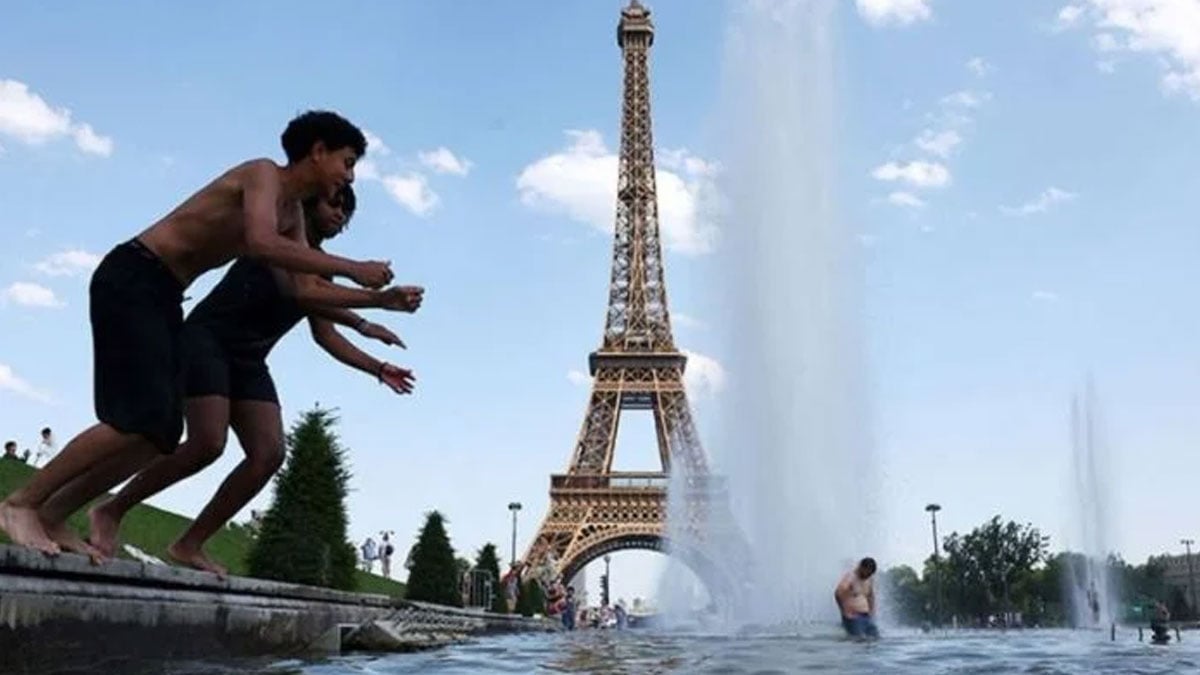
A surge in drownings in France has been linked to the heatwaves that have hit Europe, with the country recording over 300 deaths this summer, a 14 percent increase from last year.
France has seen a big increase in people drowning in the water this summer, and it's because of the really hot weather. When it's hot, people want to cool off in the water, but sometimes they do it in places that are not safe, and that's why they're getting hurt.
Analysis
Heatwaves and Drowning Risks in France
The recent surge in drownings in France has been attributed to the heatwaves that have swept Europe. According to Sports and Youth Minister Marina Ferrari, the 301 drownings since June 19 are an increase of 14 percent from the summer of 2025. This is a 'sad toll', Ferrari said, and is 'in line with the repeated heatwaves' that have hit many European countries. The minister also noted that 'lots of people have sought to hit the water, with risky behaviour', leading to many deadly accidents in areas that are not authorised or supervised for swimming.
The heatwaves that have affected Europe have been driven by human-caused climate change. Much of the continent is bracing for repeated heatwaves and periods of scorching temperatures that have driven rivers to record lows, ignited historic forest fires, and contributed to thousands of deaths. The national weather agency Meteo-France has warned that the southeast will see temperatures as high as 35C, spreading further across the country as the week progresses. The agency has also warned that due to climate change, 'future summers will generally be hotter than those experienced to date'.
The UK has also seen thousands of excess deaths during previous heatwaves this year. The situation in France and the UK highlights the need for people to take precautions when engaging in water activities during heatwaves. This includes avoiding areas that are not authorised or supervised for swimming and being aware of the risks associated with heat exhaustion and drowning.
Implications of the Heatwaves
The heatwaves that have affected Europe have significant implications for public health and safety. The surge in drownings in France is a stark reminder of the risks associated with heatwaves and the importance of taking precautions when engaging in water activities. The situation also highlights the need for governments and public health officials to take proactive measures to mitigate the effects of heatwaves and protect vulnerable populations.
Looking Ahead
As the heatwaves continue to affect Europe, it is essential for people to be aware of the risks associated with heat exhaustion and drowning. This includes avoiding areas that are not authorised or supervised for swimming and being aware of the signs of heat exhaustion. By taking these precautions, people can reduce their risk of heat-related illnesses and stay safe during the heatwaves.
Key points
- France has recorded over 300 drownings this summer, a 14 percent increase from last year.
- The surge in drownings has been linked to the heatwaves that have swept Europe.
- The heatwaves have driven rivers to record lows, ignited historic forest fires, and contributed to thousands of deaths.
- The national weather agency Meteo-France has warned that the southeast will see temperatures as high as 35C, spreading further across the country as the week progresses.
If the heatwaves continue to affect Europe, governments and public health officials may take proactive measures to mitigate their effects and protect vulnerable populations. This could include implementing heatwave response plans, providing education and awareness campaigns, and increasing access to cooling centers and other resources.
The heatwaves that have affected Europe have significant implications for public health and safety, and the surge in drownings in France is a stark reminder of the risks associated with heatwaves. If the heatwaves continue to intensify, it is likely that we will see more heat-related illnesses and deaths, particularly among vulnerable populations such as the elderly and young children.