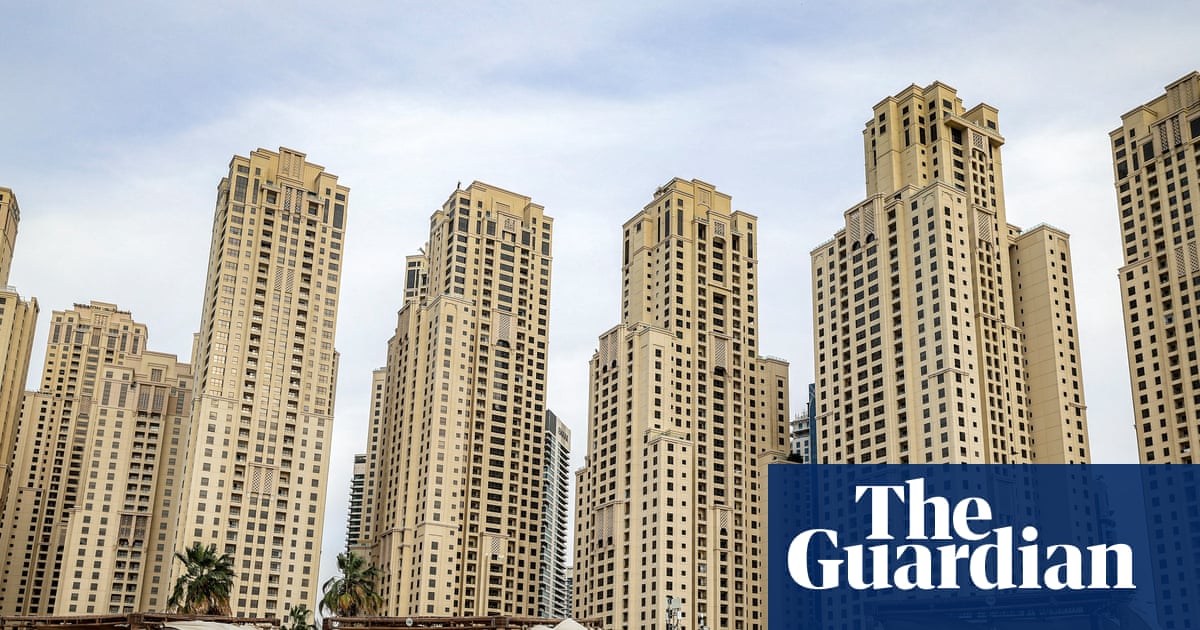
Dubai offers tourists benefits worth £610 as numbers plummet amid Iran war
Dubai is offering residents the chance to nominate friends and family for benefits worth £610 to boost tourism amid a sharp decline in visitor numbers due to the Iran war.
Intelligence analysis by Gemini 2.5 Flash Lite
Facing a significant downturn in its tourism sector, Dubai has launched the 'Dubai Invite' scheme, allowing residents to nominate non-resident friends and relatives for packages including hotel stays, dining deals, and attraction tickets. This initiative aims to counteract the plummeting tourist numbers and airline operations following the UAE's involvement in the US-Israel war on Ira…
Imagine Dubai is like a big amusement park that lots of people love to visit. But because of a big fight happening nearby, fewer people are coming, and the park is getting empty. So, Dubai is telling people who already live there, 'Hey, if you invite your friends and family to visit, we'll give them special deals on hotels and fun things to do, like a special welcome gift!' This is to help bring people back to the park.
Analysis
A Desperate Bid to Revive Tourism
The once-thriving tourism sector of Dubai is facing an unprecedented crisis, with visitor numbers plummeting dramatically in the wake of the escalating US-Israel war on Iran. The conflict has not only disrupted travel routes, leading to a halving of airlines operating in the region and planes being turned away due to missile threats, but has also shattered Dubai's carefully cultivated image as a secure, gilded playground. Reports indicate massive hotel vacancies and revenue declines exceeding 50% for many businesses, with some iconic establishments like the Burj Al Arab even bringing forward extensive renovation plans, including an 18-month closure.
The 'Dubai Invite' Scheme
In response to this dire situation, Dubai's Department of Economy and Tourism has launched the 'Dubai Invite' scheme. This innovative, albeit perhaps desperate, initiative allows residents of the UAE to nominate up to three non-resident friends or family members to receive a 'benefits package' valued at over 3,000 UAE dirhams (approximately £610). This package includes incentives such as hotel stays, dining discounts, and attraction tickets, redeemable until December for visits occurring before October 31st. The scheme's immediate uptake, with over 10,000 applications in its first 48 hours, suggests a strong desire among residents to reconnect with loved ones and perhaps a recognition of the economic urgency.
Broader Implications of Regional Conflict
The crisis underscores the fragility of economies heavily reliant on international tourism and their vulnerability to geopolitical instability. The direct missile attacks on Dubai's airport and a prominent hotel in February served as a stark reminder that no part of the region is immune to the conflict's reach. This has forced a recalibration of Dubai's marketing strategy, moving beyond its appeal to influencers and the ultra-rich towards leveraging its resident network to draw visitors back. The success of this scheme will be a critical indicator of Dubai's ability to weather the storm and its long-term resilience in the face of regional conflict.
Key points
- Dubai is offering incentives worth £610 to tourists nominated by residents to combat a sharp decline in visitor numbers.
- The tourism downturn is attributed to the UAE's involvement in the US-Israel war on Iran, which has disrupted travel and impacted the city's image.
- The 'Dubai Invite' scheme includes benefits like hotel stays, dining deals, and attraction tickets.
- Visitor numbers and airline operations have significantly decreased, leading to hotel vacancies and business revenue losses.
- The initiative saw over 10,000 applications within its first 48 hours.
If the 'Dubai Invite' scheme proves successful, it could help stabilize the city's tourism sector, encouraging a gradual return of international visitors and mitigating the severe economic downturn. This could also serve as a model for other tourism-dependent economies facing similar geopolitical challenges, demonstrating resilience through community engagement.
The scheme may only provide a temporary boost, failing to address the underlying security concerns that are deterring tourists, especially if the regional conflict intensifies or persists. Furthermore, the long-term damage to Dubai's image as a safe destination could prove difficult to fully repair, even with significant incentives.