Dubai's Population Surges to 45 Lakh as International Business and Tourism Soar
Dubai's population has surged to 45 lakh in the past five years, driven by international business, tourism, and financial services. The city has become a hub for professionals, investors, and families, with a growing demand for housing, schools, healthcare, and transporta…
Intelligence analysis by Llama
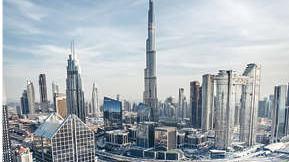
Dubai's population has grown significantly over the past five years, driven by international business, tourism, and financial services. The city has become a hub for professionals, investors, and families, with a growing demand for housing, schools, healthcare, and transportation.
Dubai's population has grown a lot in the past five years because many people are moving there for work, tourism, and to live. This has created a big demand for houses, schools, hospitals, and transportation. The city needs to plan and manage its resources well to meet this demand and make sure everyone has a good quality of life.
Analysis
Demographic Shifts and Economic Growth
Dubai's population has grown significantly over the past five years, driven by international business, tourism, and financial services. The city has become a hub for professionals, investors, and families, with a growing demand for housing, schools, healthcare, and transportation. According to the University of Dubai, the city's daytime population has reached 63.9 lakh, with a significant increase in the number of professionals and families moving to the city.
Factors Contributing to Population Growth
The growth of Dubai's population can be attributed to several factors, including the city's business-friendly environment, tax-free zones, and strategic location. The city has also invested heavily in infrastructure development, including transportation systems, housing, and education. Additionally, the city's digital government services and residency programs have made it easier for professionals and families to move to the city.
Implications for Infrastructure and Economy
The growth of Dubai's population has significant implications for the city's infrastructure, economy, and quality of life. It highlights the need for sustainable development, efficient planning, and effective management of resources. The city must invest in infrastructure development, including transportation systems, housing, and education, to meet the growing demands of its population. Additionally, the city must also focus on creating jobs, stimulating economic growth, and improving the quality of life for its residents.
Key points
- Dubai's population has grown significantly over the past five years, driven by international business, tourism, and financial services.
- The city has become a hub for professionals, investors, and families, with a growing demand for housing, schools, healthcare, and transportation.
- The growth of Dubai's population has significant implications for the city's infrastructure, economy, and quality of life.
- The city must invest in infrastructure development, including transportation systems, housing, and education, to meet the growing demands of its population.
- Dubai must also focus on creating jobs, stimulating economic growth, and improving the quality of life for its residents.
If Dubai continues to attract international business and tourism, the city's economy is likely to grow, creating more jobs and opportunities for residents. Additionally, the city's investment in infrastructure development and digital government services will make it easier for professionals and families to move to the city, further driving population growth.
However, the rapid growth of Dubai's population also poses challenges, including strain on infrastructure, housing shortages, and increased competition for resources. If not managed properly, these challenges could lead to decreased quality of life and economic instability.