E20 protest was a paid propaganda, says Nitin Gadkari
Union Minister Nitin Gadkari claimed that protests against E20 fuel blending were "paid propaganda," citing the successful operation of millions of vehicles on E20 since 2022 without issues.
Intelligence analysis by Gemini 2.5 Flash
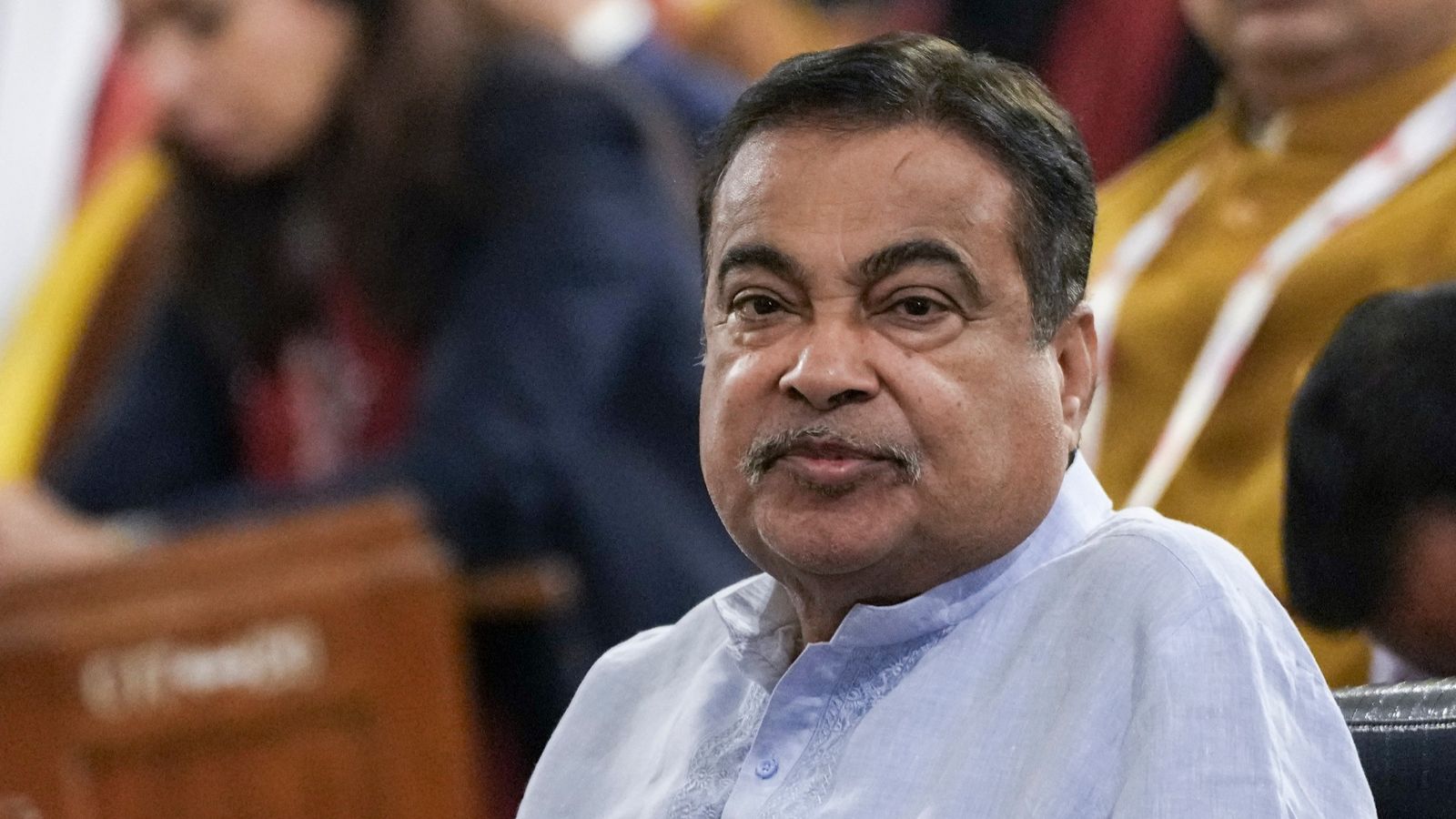
Following the government's notification of E100 as an auto fuel, Minister Nitin Gadkari dismissed past opposition to 20% ethanol blending (E20) as orchestrated, highlighting its widespread use in India. He emphasized that increased biofuel production, including ethanol, is crucial for reducing the nation's import dependency.
Imagine your car usually drinks plain juice, but now the government wants it to drink juice mixed with a special plant-based drink called ethanol. A minister named Nitin Gadkari says that some people who complained about this new mixed juice (E20) were just making a fuss because someone paid them to, and that millions of cars are already happily running on it. Now, the government is even allowing super-special cars to run on almost pure plant juice (E100) to help India use less imported oil and make its own fuel.
Analysis
Union Minister Nitin Gadkari's recent remarks underscore the Indian government's unwavering commitment to its ethanol blending program, particularly in the wake of the E100 fuel notification. His assertion that protests against E20 fuel were "paid propaganda" reflects a strong defense of the policy, which has seen significant implementation across the country. The minister highlighted that over 4 crore cars and 20 crore two-wheelers have been successfully running on E20 fuel since 2022, challenging the validity of earlier concerns about vehicle performance or damage. This stance aims to reassure the public and industry stakeholders about the viability and safety of higher ethanol blends.
Nitin Gadkari
Nitin Gadkari, the Minister for Road Transport and Highways, has been a vocal proponent of alternative fuels and green mobility solutions in India. His recent statement at a CII event directly addressed the skepticism and opposition that accompanied the initial rollout of E20 fuel. By labeling the protests as "paid propaganda," Gadkari sought to delegitimize the criticisms and reinforce the government's narrative of successful implementation.
He pointed to the practical experience of millions of vehicles operating on E20 without reported breakdowns, suggesting that the fears raised were unfounded or deliberately amplified. This strong endorsement from a senior minister is intended to build public confidence and encourage further adoption of ethanol-blended fuels, aligning with India's broader energy security and environmental objectives.
E100 Notification
The government's notification of E100 (nearly pure ethanol) as an auto fuel marks a significant step towards a more diversified energy basket for India. This amendment to the Central Motor Vehicle Rules, 1989, specifically allows flex-fuel vehicles to operate on up to E100, expanding the range of permissible fuels. It is crucial to note that this does not mean all existing petrol cars can immediately switch to E100; rather, it paves the way for the manufacturing of new flex-fuel vehicles and the development of the necessary infrastructure.
Original equipment manufacturers (OEMs) will design specific flex-fuel vehicles compatible with E85 or E100, ensuring material compatibility and optimal performance. This policy move is expected to stimulate investment in ethanol production infrastructure and component manufacturing, fostering a new segment within the automotive industry focused on advanced biofuel compatibility. The distinction between E20, which is widely available, and E100, which requires specialized flex-fuel vehicles, is key to understanding the phased approach of India's ethanol strategy.
Import Reduction
A core driver behind India's aggressive push for biofuels, including ethanol, is the strategic goal of significantly reducing the nation's reliance on imported crude oil. Gadkari explicitly stated that initiatives like ethanol blending will boost domestic production of various biofuels, such as ethanol, methanol, biodiesel, LNG, CBG (Compressed Bio-Gas), hydrogen, and aviation biofuel. This diversification is seen as a critical pathway to enhance energy security and save valuable foreign exchange.
The minister's vision extends beyond just ethanol, encompassing a comprehensive strategy for indigenous biofuel development. By fostering a robust domestic biofuel industry, India aims to create a sustainable energy ecosystem that supports agricultural growth, generates employment, and mitigates environmental pollution. The long-term economic benefits of reduced import bills and a greener energy footprint are central to the government's rationale for these ambitious biofuel mandates.
Key points
- Union Minister Nitin Gadkari stated that protests against E20 fuel blending were "paid propaganda."
- He noted that 4 crore cars and 20 crore two-wheelers have been running on E20 fuel since 2022 without issues.
- The government recently notified E100 (nearly pure ethanol) as an auto fuel, primarily for flex-fuel vehicles.
- This policy aims to increase domestic production of biofuels like ethanol, methanol, and biodiesel, reducing import dependency.
- Gadkari also directed authorities not to issue challans for speeds up to 120 kmph and sought industry support for AI-based traffic management.
The government's firm stance on ethanol blending and the notification of E100 could significantly reduce India's reliance on crude oil imports, bolstering energy security and saving foreign exchange. This push is expected to stimulate domestic production of various biofuels, creating new economic opportunities and supporting a greener transportation sector.