'Each day feels like the last': Haitians with TPS on edge as confusion clouds US work status
US employers are suspending Haitian workers with Temporary Protected Status after the Trump administration ended TPS and work permit extensions lapsed, leaving 350,000 Haitians exposed to deportation.
Intelligence analysis by Llama
After the Supreme Court allowed the Trump administration to end Temporary Protected Status for roughly 350,000 Haitians, USCIS briefly extended their work permits and then stopped, leaving employers, healthcare providers, and workers in legal limbo. Restaurants and care homes have begun suspending staff, and DHS is offering $2,600 'free flight home' payments.
Imagine you've lived in the same town for 15 years, have a job, and pay taxes — but the government suddenly says your permission to live there is over and your work badge stops working. That's what's happening to 350,000 Haitians in the US who had a special pass called TPS. The Supreme Court said the pass can end, and now bosses are telling some of them they can't come to work anymore, even though they don't know if it's permanent.
Analysis
A Program Built for Crisis, Dismantled in Court
Temporary Protected Status was created to give people from countries experiencing armed conflict, natural disaster, or other extraordinary conditions a legal foothold in the United States until it is safe to return. Haitians have held the designation since 2010, in the aftermath of a catastrophic earthquake, and it has been repeatedly renewed by administrations of both parties. The Trump administration's decision to terminate TPS for roughly 1 million people from more than a dozen countries — 350,000 of them Haitian — was challenged in lower courts, but on 25 June the Supreme Court sided with the government, allowing the program to end. From that point, the story shifted from a legal question to an administrative one: what happens to work permits already in workers' hands?
Permits, Suspensions, and the Human Cost
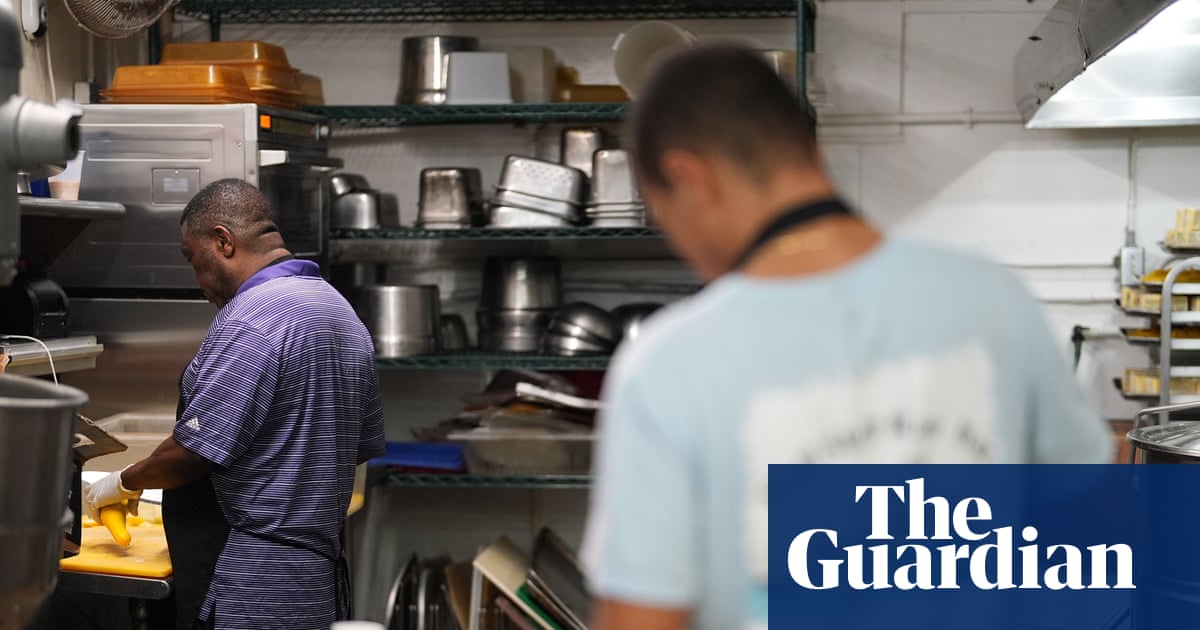
The post-court timeline has been chaotic. According to the article, US Citizenship and Immigration Services extended the Haitians' work permits during the lower-court review period, typically on the same day they expired and usually for only a few days at a stretch. Then on Monday, no extension came, and fear spiked — not just over lost paychecks but over the prospect of arrest and deportation to a country the US itself warns Americans against traveling to. The UN estimates that nearly 1.5 million people have been displaced by gang violence in Haiti, with more than 2,300 killed since January. At the Half Shell Raw Bar in Key West, general manager Bobby Kuchinsky told six Haitian employees they were suspended, handing them packets on their rights and the documents they would need if detained. Jewish Community Services of South Florida advised 18 home-care workers who tend to elderly Holocaust survivors that they were no longer eligible to work. The article's anonymous Haitian source, a 62-year-old dishwasher who arrived in 2016, told the paper: 'Each day feels like the last day.'
What the Administration Is Saying, and What's at Stake
In a written statement to the Associated Press, the Department of Homeland Security framed the termination as the natural close of a temporary program and encouraged Haitians to request a $2,600 check to buy a 'free flight home,' adding: 'It's closing time, which means you don't have to go home, but you can't stay here.' USCIS did not respond to questions about the current validity of the permits. The ripple effects extend well beyond the workers themselves. LeadingAge, which represents nonprofit long-term care homes, warned that providers and patients have been 'dealing with a ton of uncertainty for months.' Engage PEO, a human resources consultancy, told the paper that industries such as construction, hospitality, and long-term care cannot keep pace with the alerts. The lower courts, the article notes, generally take 32 days after a Supreme Court remand to issue a decision — meaning the practical status of these workers could swing again within weeks, for better or worse.
Key points
- Supreme Court ruled 25 June in favor of the Trump administration, allowing termination of TPS for roughly 1 million people, including 350,000 Haitians who have lived in the US since 2010.
- USCIS briefly extended Haitian work permits during the remand but stopped on Monday, prompting immediate suspensions of workers in Florida.
- DHS is offering $2,600 'free flight home' payments and framed the end of TPS as 'closing time' in a written statement to the AP.
- Long-term care, hospitality, and construction industries say they cannot keep up with the shifting federal guidance, and home-care workers tending elderly Holocaust survivors are among those affected.
- Lower courts typically take 32 days to act after a Supreme Court remand, meaning the legal status of TPS holders could shift again within weeks.
If the lower courts rule in favor of TPS holders within the typical 32-day window after the Supreme Court remand, work permits could be reinstated and suspended employees rehired, as Kuchinsky noted he was preparing to do. A judicial reprieve would also give Congress a window to legislate a more durable solution, as has happened with past immigration crises.
If the lower courts uphold the termination, the 350,000 Haitians — and roughly 650,000 others from affected countries — would face deportation to nations that, in Haiti's case, the US itself deems unsafe for American travelers. Industries already short-staffed in long-term care, hospitality, and construction would lose experienced workers with no ready domestic replacement, while deportations could accelerate as DHS has signaled its intent to push the 'free flight home' option.