Ebola Outbreak in Congo: In Search of Patient Zero
The WHO confirmed an Ebola outbreak in the Democratic Republic of Congo, marking the 16th outbreak since 1976. German anthropologist Sung-Joon Park is investigating in Mongbwalu, a gold mining town, to find Patient Zero and understand how the virus jumps from animals to h…
Intelligence analysis by Gemini 2.5 Flash
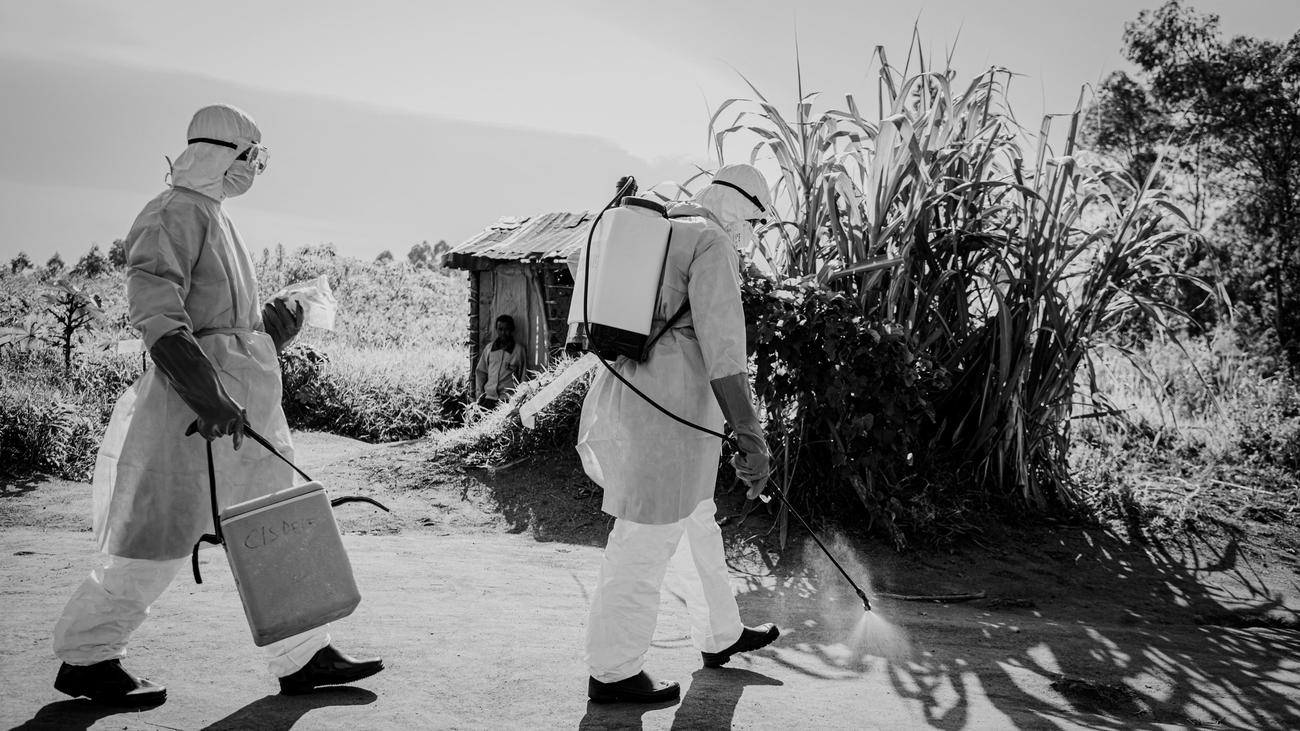
A German anthropologist, Sung-Joon Park, is on a critical mission in the Democratic Republic of Congo to identify Patient Zero of the latest Ebola outbreak. His work in the gold mining town of Mongbwalu involves navigating abandoned health centers and local mistrust to trace the virus's origin from animals to humans, hoping to develop strategies for prevention.
Imagine a super tricky flu that keeps popping up in one country, Congo. A German scientist named Sung-Joon Park is like a detective trying to find the very first person who got sick this time. He's looking in gold mines and old hospitals to figure out how the sickness jumped from an animal to a person. If he finds the first person, it's like finding the first domino that fell, and that helps everyone stop the sickness from spreading again in the future.
Analysis
The recent confirmation of an Ebola outbreak in the Democratic Republic of Congo by the World Health Organization underscores a persistent global health challenge. This marks the 16th known outbreak in the country since the virus was first identified in 1976, highlighting the region's vulnerability to this often-fatal disease. The recurring nature of these outbreaks, where the virus typically jumps from wild animals to humans before spreading, prompts critical questions about the underlying causes and potential preventative measures. This particular incident draws attention due to the involvement of German anthropologist Sung-Joon Park from the Bernhard Nocht Institute in Hamburg, who has embarked on a crucial investigative mission.
The Quest for Patient Zero
Sung-Joon Park's mission takes him to Mongbwalu, a bustling gold mining town in Ituri province with a population of approximately 150,000. This area is a melting pot of various ethnicities, attracting young individuals seeking fortune in the mines, which can create conditions conducive to disease transmission. Park's primary objective is to identify "Patient Zero," the initial human case of the current outbreak. Understanding who was first infected is paramount, as it could provide vital clues about the specific circumstances under which the virus made the leap from an animal host to a human. This epidemiological detective work involves meticulous investigation, including sifting through patient registers in often-abandoned health centers and researching burial sites.
Navigating Mistrust and Seeking Prevention
Park's challenging investigation is further complicated by a pervasive deep mistrust among the local population towards aid organizations and foreign, particularly "white," helpers. This skepticism can hinder data collection and community engagement, making the search for accurate information more arduous. Despite these obstacles, Park's efforts have yielded a lead, pointing towards a young gold miner as a potential Patient Zero, though confirmation remains elusive. The ultimate hope driving this intensive research is that by thoroughly understanding the initial zoonotic transmission event, scientists and public health officials can develop more effective strategies to prevent future Ebola outbreaks, thereby saving lives and mitigating the devastating impact on communities in the Democratic Republic of Congo and beyond. The insights gained from this German-led research could inform global pandemic preparedness.
Key points
- WHO confirmed a new Ebola outbreak in the Democratic Republic of Congo, the 16th since 1976.
- German anthropologist Sung-Joon Park is leading the search for Patient Zero in Mongbwalu, a gold mining town.
- The goal is to understand how the virus jumps from animals to humans to prevent future outbreaks.
- Park's investigation faces challenges, including abandoned health centers and local mistrust towards aid workers.
- A young gold miner has been identified as a potential lead for Patient Zero.
Successfully identifying Patient Zero and understanding the zoonotic spillover mechanism could lead to targeted interventions and preventative measures, significantly reducing the frequency and severity of future Ebola outbreaks in the region. This research could also foster better trust between local communities and international health organizations, improving future public health responses.
The deep mistrust among the local population and the challenging investigative environment could impede the successful identification of Patient Zero, leaving critical questions about the virus's origin unanswered. This failure could hinder effective prevention strategies, allowing future outbreaks to continue recurring with devastating consequences.