Ebola spread in DR Congo 'alarming', charity warns, as WHO chief visits worst-hit area
MSF says the Ebola outbreak in eastern DR Congo is spreading unusually fast, while WHO chief Tedros visited Ituri to inspect the response.
Intelligence analysis by GPT-5.4 Mini
The outbreak in Ituri has grown quickly, with more than 1,000 suspected cases and at least 246 deaths reported in DR Congo. MSF says the scale is deeply alarming, while WHO is urging local communities to help stop further spread.
Ebola is a very dangerous sickness that can spread from one person to another. In one part of Congo, doctors say it is spreading very fast, like a fire that is hard to stop.
A health group called MSF says the problem is getting worse quickly. The leader of the World Health Organization visited the area to see what is going wrong and how to help.
Stopping it is harder because there is fighting in the region and some aid is delayed. It is a bit like trying to put out a fire while roads are blocked and helpers cannot get there fast enough.
Analysis
What is happening
Médecins Sans Frontières says the Ebola outbreak in the Democratic Republic of Congo is moving so fast that the situation is "deeply alarming." The charity says the number of suspected cases has risen unusually quickly, and that teams on the ground are struggling to keep pace with the spread.
The article says there are now more than 1,000 suspected Ebola cases in DR Congo and at least 246 deaths. Uganda has also reported nine confirmed cases and one death, showing the outbreak is not confined to one country.
WHO response and obstacles
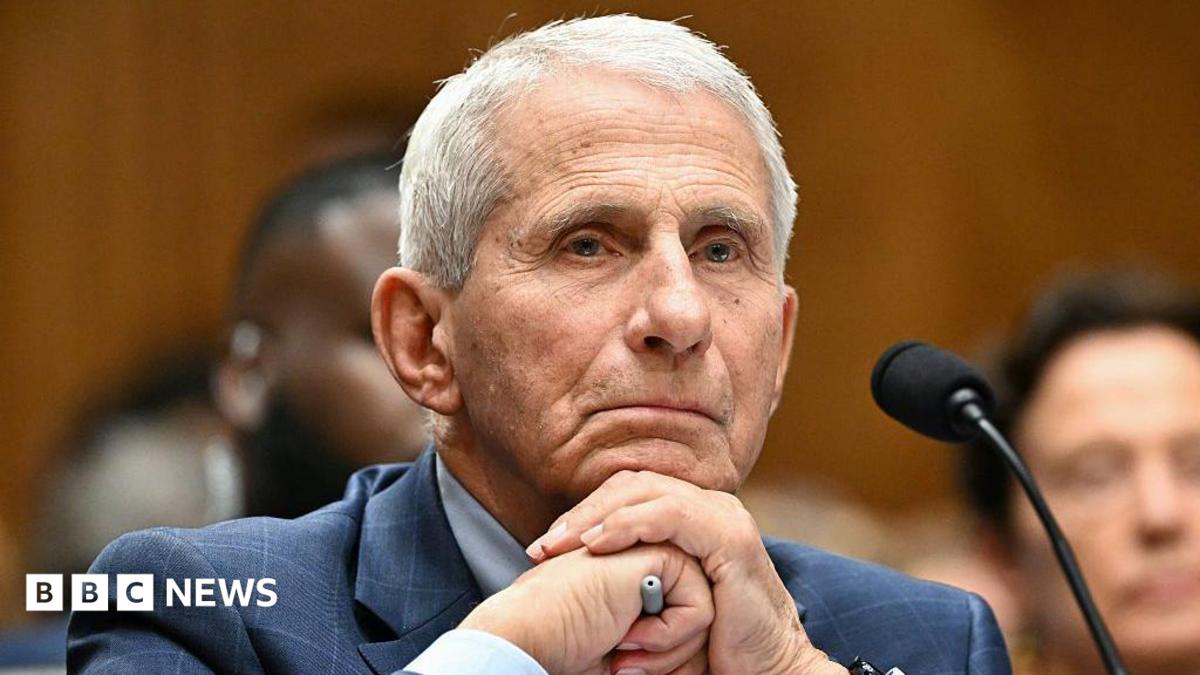
WHO director-general Tedros Adhanom Ghebreyesus traveled to Ituri province, the center of the outbreak, to review containment work. He said local communities need to play a larger role because they understand the problems and the solutions best.
The article says conflict in eastern DR Congo is making the response harder. MSF says border and airport closures have delayed humanitarian aid and containment efforts, and the WHO has also warned that instability is slowing the health response.
Testing, treatment, and risk
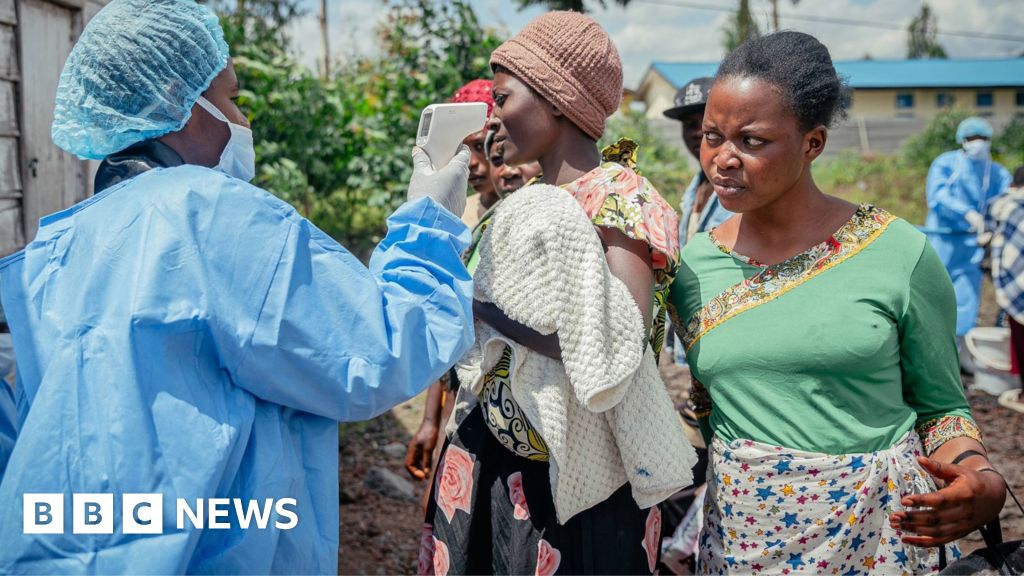
Local officials say testing in Bunia is now faster, with samples checked within 24 hours at the National Institute for Biomedical Research laboratory there. That is a major improvement over sending samples to Kinshasa, which took much longer and risked delayed treatment.
The strain behind this outbreak is Bundibugyo Ebola, described in the article as a rare strain with no proven vaccine. The story also notes that Ebola can spread through direct contact with bodily fluids and contaminated objects, and that funeral practices involving touching the dead can help pass the virus on.
Key points
- MSF says the outbreak in eastern DR Congo is spreading unusually fast and is deeply alarming.
- The article says there are more than 1,000 suspected cases and at least 246 deaths in DR Congo.
- Uganda has reported nine confirmed cases and one death, showing cross-border risk.
- Tedros visited Ituri province to review the response and urge community involvement.
- Conflict, closures, and slow logistics are making containment and aid delivery harder.