Economy grew in April to June as sun and World Cup helped some UK businesses
The UK economy expanded by 0.4% between April and June, driven by the services sector, manufacturing, and a boost from good weather and sporting events like the men's football World Cup.
Intelligence analysis by Gemini 2.5 Flash
Official data shows the UK economy experienced relatively robust growth in the second quarter, though at a slower pace than the first three months of the year. While sectors like computer programming and advertising performed well, and hospitality benefited from summer events, economists warn that this pace of growth is unlikely to be sustained due to ongoing geopolitical conflicts an…
Imagine the country's piggy bank, the economy, grew a little bit, like getting 4p for every £10 you had. This happened because people enjoyed the sunny weather and watched football matches, spending money at places like pubs and shops. But some grown-ups are worried it might not keep growing as fast because of big problems far away, like a war, and rising prices, like a car that's still moving but might run out of fuel soon.
Analysis
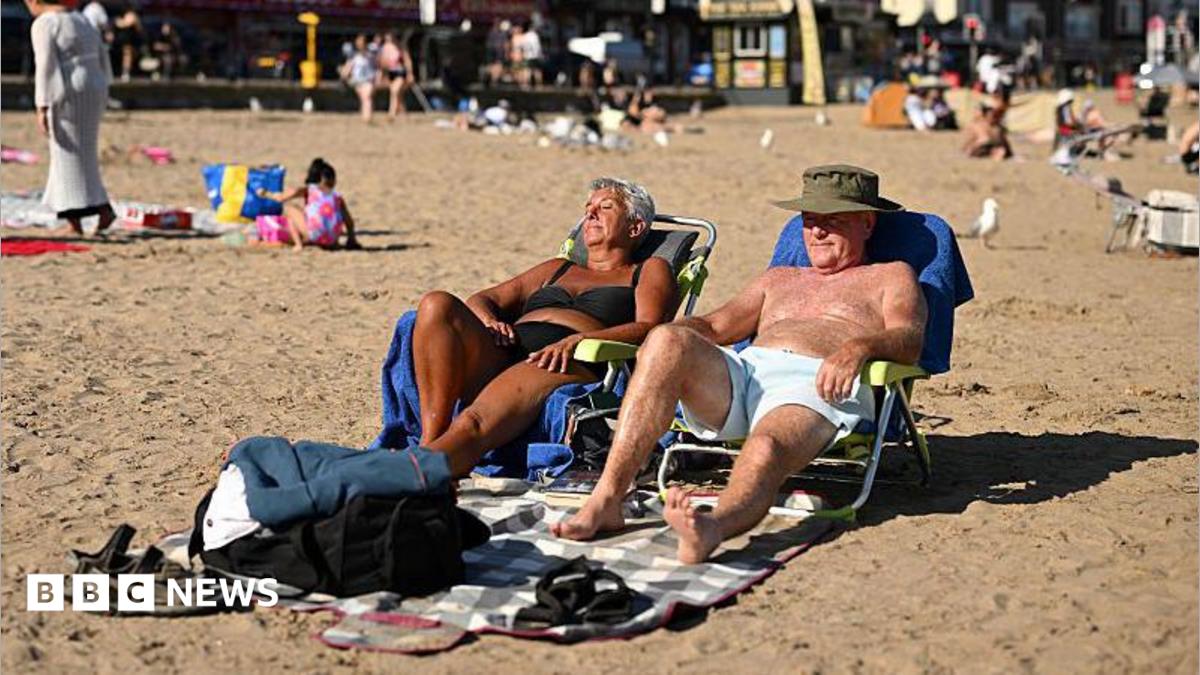
The UK economy's 0.4% growth in the second quarter, while positive, presents a nuanced picture of the nation's economic health. This expansion, though slightly below the 0.6% recorded in the first quarter, was largely propelled by the services sector and manufacturing, with specific areas like computer programming and pharmaceuticals showing particular strength. The Office for National Statistics (ONS) noted that temporary factors, such as favorable weather conditions and major sporting events like the men's football World Cup, provided an additional boost, particularly to hospitality venues in June. This suggests that consumer spending, influenced by leisure activities, played a significant role in sustaining economic activity during this period.
0.4% Growth
The reported 0.4% growth for the April to June period, while meeting economists' expectations, indicates a moderation from the stronger start to the year. This figure reflects a mixed performance across sectors, with some areas thriving while others, such as power generation and sewerage, experienced declines. The ONS's observation that growth remained "relatively robust" underscores a degree of resilience within the economy, suggesting it has absorbed some external shocks better than initially feared. However, the downward revision of May's growth to zero highlights the fragility of this expansion and the potential for month-to-month volatility, making the overall quarterly figure somewhat dependent on strong performance in specific months like June.
Economists are cautious about the sustainability of this growth, pointing to the temporary nature of some contributing factors. The boost from summer weather and the World Cup is inherently transient, and underlying economic conditions may not support continued strong performance. This suggests that while the headline growth figure is positive, it may mask deeper structural challenges or a lack of broad-based momentum. The reliance on specific sectors and temporary consumer spending spikes raises questions about the long-term trajectory of the UK economy without more fundamental drivers of growth.
Iran War
A significant factor contributing to the slowdown in growth compared to the first quarter is the ongoing impact of the war in Iran. This geopolitical conflict has created global economic instability, particularly affecting energy prices and supply chains, which in turn exert pressure on the cost of living and business operations in the UK. Chancellor of the Exchequer, John Healey MP, explicitly acknowledged the public's concerns about the conflict's impact on their cost of living, indicating its direct relevance to domestic economic sentiment and household budgets. The war's ripple effects are felt through increased import costs and reduced consumer purchasing power, acting as a drag on overall economic expansion.
Economists like Suren Thiru of ICAEW noted that households and firms have "largely shrugged off the shockwaves from the Iran war" so far, implying a degree of adaptability. However, this resilience is not expected to last indefinitely, with warnings of weaker growth in the second half of the year. The conflict introduces a layer of uncertainty that can dampen business investment and consumer confidence, making economic planning more challenging. The sustained pressure from global events like the Iran war underscores the interconnectedness of the global economy and the vulnerability of national economies to international crises.
John Healey MP
Chancellor of the Exchequer, John Healey MP, acknowledged the public's worries regarding the impact of the Middle East conflict on the cost of living, which he stated has been "too high for too long." His comments highlight the government's awareness of the economic pressures faced by British households and businesses. Healey emphasized the government's objective to make the country "more resilient" and to "drive growth in every postcode," signaling a commitment to both macroeconomic stability and regional development. This rhetoric suggests a focus on mitigating external shocks and fostering internal economic strength across the UK.
However, the Shadow Chancellor, Sir Mel Stride, offered a contrasting view, criticizing the Labour government for allegedly "mismanaging the economy with their tax and borrowing spree." Stride attributed the stifled growth and worsening cost of living to Labour's decisions, arguing that these policies have left the economy vulnerable to external shocks like the Iran War. This political exchange underscores the contentious nature of economic policy and the differing interpretations of the current economic landscape. The upcoming budget in October, as noted by Suren Thiru, will be "more challenging" given the economic outlook, placing further scrutiny on the government's fiscal strategy and its ability to address the prevailing economic headwinds.
Key points
- The UK economy grew by 0.4% between April and June, a slowdown from the 0.6% expansion in the first quarter.
- Growth was primarily driven by the services sector and manufacturing, with computer programming, advertising, and pharmaceuticals showing strength.
- Good weather and the men's football World Cup provided a temporary boost to businesses, particularly in June.
- Economists caution that this growth pace is unlikely to be sustained, with warnings of rising inflation and unemployment.
- The ongoing war in Iran and political uncertainty are cited as factors contributing to the economic slowdown and cost of living pressures.
The UK economy demonstrated resilience in the second quarter, growing by 0.4% despite global challenges, suggesting it has weathered recent shocks better than many feared. The boost from the services sector and specific industries indicates underlying strengths that could continue to support economic activity.
Economists warn that the recent pace of growth is unlikely to be sustained, with inflation and unemployment expected to rise in the coming months. Ongoing energy price volatility and the impact of the Iran war could further dampen business sentiment and lead to weaker growth in the second half of the year.