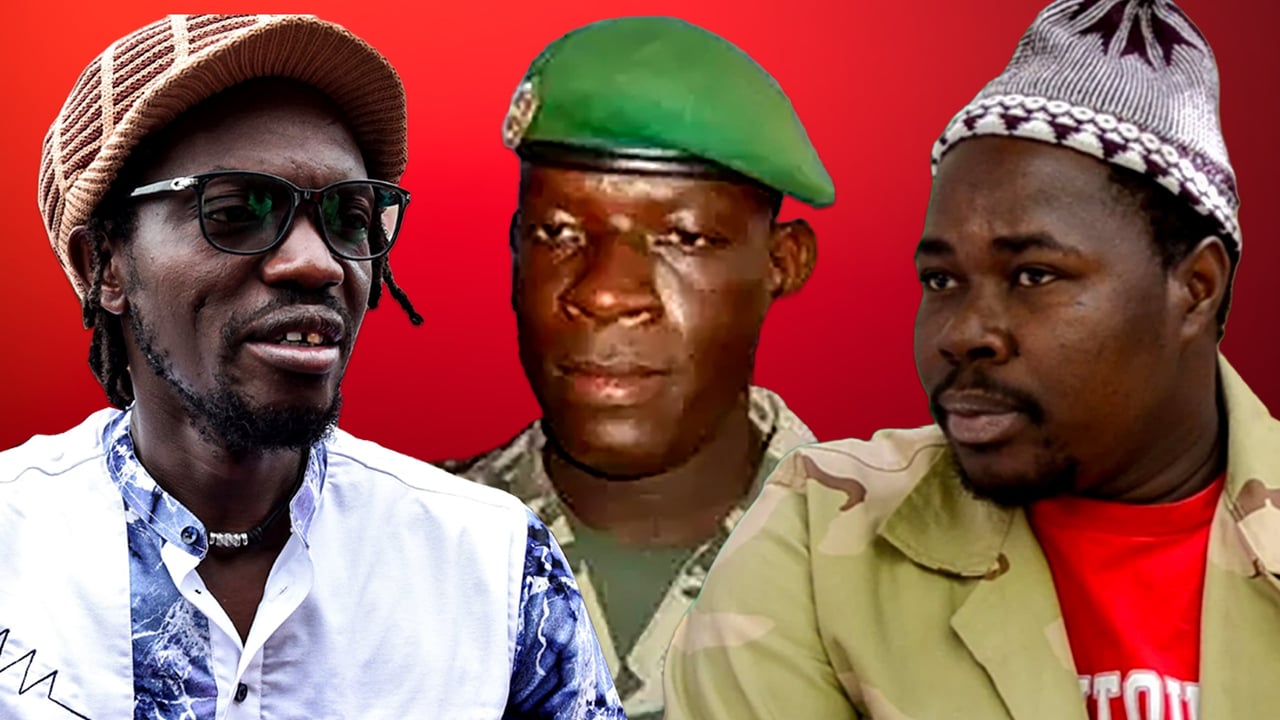
ECOWAS urges Guinea-Bissau's military leaders to release jailed opposition figures
ECOWAS has called on Guinea-Bissau's military government to release all detained political figures, including opposition leader Domingos Simões Pereira. The bloc stated this would enhance the credibility of the country's transition process.
Intelligence analysis by Gemini 2.5 Flash Lite
The West African bloc ECOWAS is pressing Guinea-Bissau's military regime to unconditionally free jailed opposition figures, emphasizing that such a move is crucial for the legitimacy of the nation's ongoing political transition.
Imagine Guinea-Bissau is like a playground where the grown-ups (the military) took over after a game was supposed to end. Now, a group of other grown-ups from nearby playgrounds (ECOWAS) are telling the new playground leaders, "Let the kids who were playing fairly go!" They say this is important so everyone believes the new game will be fair.
Analysis
ECOWAS's Stance on Detained Opposition Figures
The Economic Community of West African States (ECOWAS) has issued a strong appeal to the military-led government in Guinea-Bissau, demanding the immediate and unconditional release of all political detainees. This directive, articulated at a recent summit in Sierra Leone, underscores the regional bloc's commitment to democratic principles and its growing unease with the military's grip on power since the November coup. The statement specifically mentioned opposition leader Domingos Simões Pereira, who was re-arrested earlier this month and faces accusations of economic crimes and involvement in an alleged coup attempt, charges he vehemently denies. Pereira's detention, alongside other politicians, follows the military's seizure of power just before the announcement of presidential and legislative election results.
The Path to Transition and Underlying Instability
Guinea-Bissau's military leaders have established a year-long transitional charter, with elections slated for the end of this period. However, the continued detention of key political figures casts a shadow over the credibility and sincerity of this transition process. ECOWAS's emphasis on bolstering the "credibility" of the transition suggests that the release of these individuals is seen as a prerequisite for regional acceptance and support. The nation's post-independence history, marked by chronic political instability and a lack of presidential term completion since 1974, provides a stark backdrop to these current events. The military's intervention and subsequent detentions risk exacerbating these long-standing issues, potentially derailing any genuine efforts towards democratic consolidation.
Regional Implications and Democratic Norms
The ECOWAS intervention is significant as it signals a united front among West African nations in upholding democratic norms and condemning unconstitutional power grabs. The bloc's demand for unconditional release suggests a rejection of the military's justifications for the detentions, framing them as politically motivated rather than legally sound. For Guinea-Bissau, the pressure from ECOWAS presents a critical juncture: either comply with regional demands, thereby signaling a commitment to a democratic path and potentially easing international scrutiny, or risk further isolation and potential sanctions. The situation also reflects a broader trend in parts of West Africa where military interventions have become a recurring challenge to democratic governance, making ECOWAS's firm stance on Guinea-Bissau particularly noteworthy.
Key points
- ECOWAS urges Guinea-Bissau's military government to release all detained political figures.
- The bloc stated that releasing detainees would bolster the credibility of the country's transition process.
- Opposition leader Domingos Simões Pereira is among those jailed and denies accusations against him.
- The military seized power in November, replacing President Umaro Sissoco Embalo.
- Guinea-Bissau has a history of political instability since its independence in 1974.
If Guinea-Bissau's military leaders heed ECOWAS's call and release the detained opposition figures, it could significantly boost the credibility of the country's transitional process. This action might pave the way for more inclusive political dialogue, potentially leading to a smoother path towards democratic elections and greater regional stability.
Conversely, if the military regime ignores ECOWAS's demands, it risks further alienating the international community and exacerbating internal political tensions. This could prolong the period of instability, undermine the legitimacy of the transitional charter, and potentially lead to further political crises or even regional intervention.