Ras Bath, Kassoum Goïta, Ben le Cerveau… What is known about the ultra-sensitive trials opening in Mali
Mali's judicial calendar is accelerating with the opening of several highly publicized and sensitive trials involving prominent figures like Ras Bath, Kassoum Goïta, and 'Ben le Cerveau,' after years of anticipation.
Intelligence analysis by Gemini 2.5 Flash
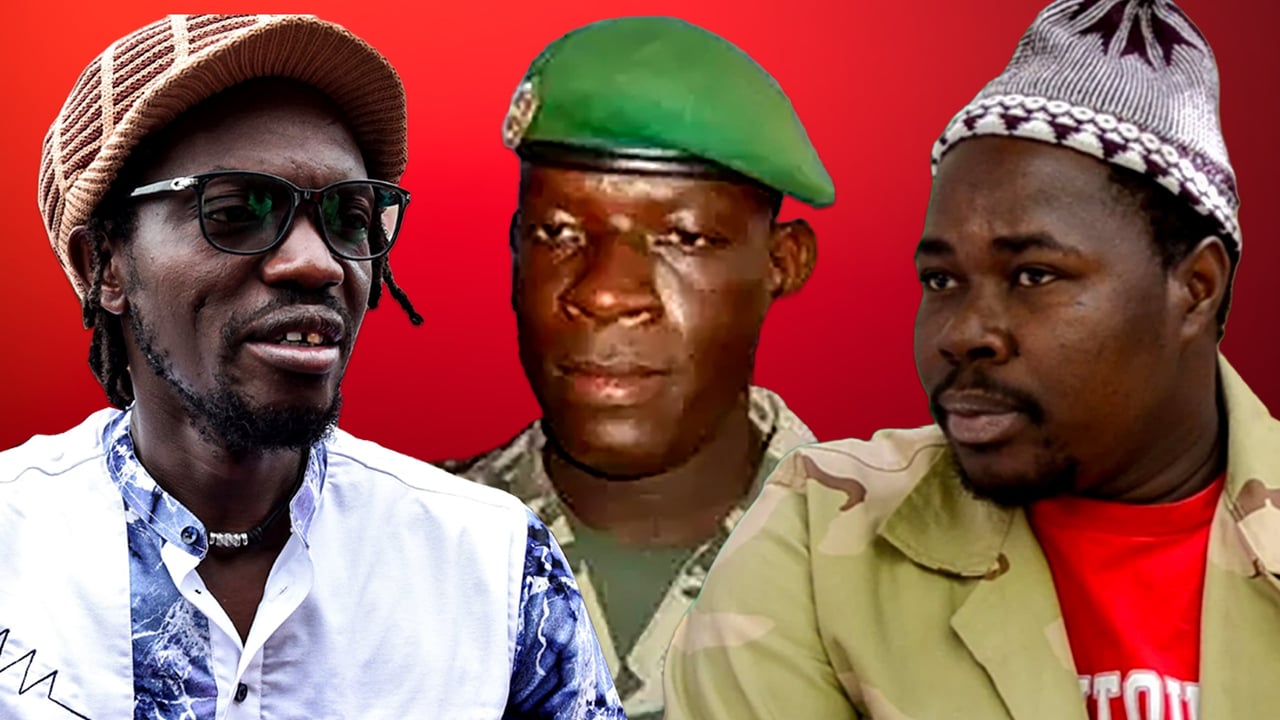
The criminal chamber of the Bamako Court of Appeal has finally set dates for a series of long-awaited trials, which will involve military personnel and former associates of ex-transitional president Bah N'Daw, signaling a significant moment for justice in Mali.
Imagine a big school where some important people got into trouble a long time ago, and everyone has been waiting for the principal to decide what happens. Now, finally, the principal is going to have special meetings, called trials, to figure out the truth. These meetings are very important because they involve well-known people and could show if the school's rules are fair for everyone.
Analysis
The Malian judicial system is embarking on a critical phase with the commencement of several highly sensitive and long-awaited trials. After years of procedural delays, the criminal chamber of the Bamako Court of Appeal has finally scheduled hearings that are expected to draw significant public and media attention. This acceleration of the judicial calendar is a notable development in a country grappling with political transitions and security challenges.
Long-Awaited Justice in Mali
The opening of these trials marks a pivotal moment for Mali, as some procedures have been pending for nearly five years. The delay has fueled public frustration and raised questions about the efficiency and independence of the justice system. By finally addressing these cases, the judiciary aims to demonstrate its capacity to deliver justice, even in complex and politically charged circumstances. The decision to proceed with these hearings until August indicates a concerted effort to clear a backlog of high-profile cases.
Key Figures and Their Allegations
Among the prominent personalities cited in these cases are Ras Bath, a well-known activist and critic of the government; Kassoum Goïta, whose specific role and charges are not detailed in the available text but is identified as a significant figure; and an individual referred to as 'Ben le Cerveau' (Ben the Brain), suggesting a role of intellectual or strategic importance. The trials also involve military personnel and former collaborators of Bah N'Daw, who served as the transitional president from September 2020. The nature of the allegations against these individuals, while not fully disclosed in the provided content, is understood to be serious, given the 'ultra-sensitive' designation of the trials.
Implications for Stability and Governance
The outcomes of these trials could have profound implications for Mali's political landscape and its ongoing transition. Fair and transparent proceedings could bolster public confidence in the rule of law and the government's commitment to accountability. Conversely, any perceived irregularities or political interference could further erode trust and potentially destabilize an already fragile nation. The handling of these cases will be a critical test for the Malian judiciary and its ability to uphold justice impartially amidst a complex socio-political environment.
Key points
- Mali's judicial system is commencing several highly sensitive trials after years of delays.
- The trials involve prominent figures such as Ras Bath, Kassoum Goïta, and 'Ben le Cerveau.'
- Cases also include military personnel and former collaborators of ex-transitional president Bah N'Daw.
- The criminal chamber of the Bamako Court of Appeal will hold hearings for these cases until August.
- These proceedings mark a significant moment for Malian justice, addressing long-standing public anticipation.
The commencement of these long-delayed trials could signal a renewed commitment to justice and accountability in Mali, potentially restoring public confidence in the rule of law and demonstrating the judiciary's independence, which could contribute to greater stability.
Given the high-profile nature of the accused and the sensitive political context, these trials risk exacerbating existing tensions or being perceived as politically motivated, potentially undermining public trust and further destabilizing the country if not handled with utmost transparency and fairness.