Ecuador accused of meddling in Colombian election with tariff vow
Colombia accused Ecuador's president of interfering in its election after he promised tariff cuts to a right-wing candidate.
Intelligence analysis by GPT-5.4 Mini
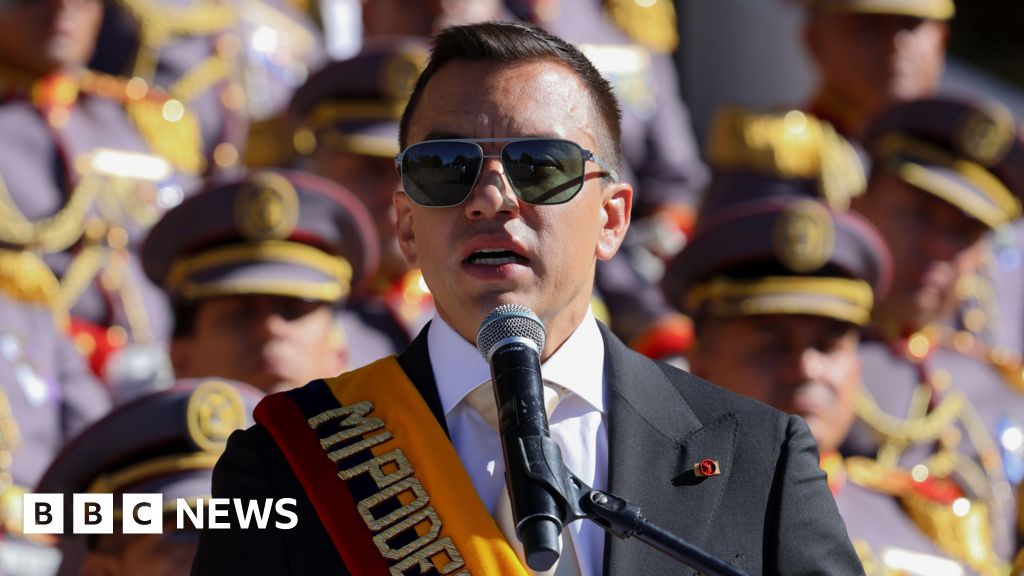
Colombia says Ecuador's president crossed a line by promising to lift tariffs on Colombian goods after speaking with a presidential hopeful. The row lands as Colombia heads into a tense vote shaped by violence, drug gangs and a sharp split over ties with the US.
Ecuador's leader said he would change trade rules after talking to a man trying to become Colombia's president. Colombia got angry and said that was like trying to help one player in a race while the race is still happening.
The fight matters because Colombia is about to vote, and many people there are worried about crime, gangs and safety. It is a bit like someone changing the rules of a game while the game is being played.
The vote could also change how Colombia deals with the United States and how hard it fights drug gangs. That is why a trade promise from a neighbor turned into a big political argument.
Analysis
What happened
Colombia's foreign ministry accused Ecuadorian president Daniel Noboa of "deliberate interference" after he said he had spoken with right-wing presidential candidate Abelardo de la Espriella and that the two had reached an agreement on trade and security. Noboa then said he would drop Ecuador's tariffs on Colombian products from 1 June.
Why Colombia objected
Bogotá argued that presenting the tariff reversal as a goodwill gesture toward a candidate in a live election amounted to meddling in Colombia's democratic process. In its statement, the foreign ministry said the move was a violation of non-intervention and a threat to national sovereignty.
The wider political backdrop
The row comes days before Colombians vote for a new president on Sunday. The race is taking place in a deeply polarised climate shaped by violence, drug gangs and disputes over the country’s relationship with the United States. President Gustavo Petro, who cannot run again, has clashed with Donald Trump, while Noboa is described as a staunch ally of the US president and has taken a hard line on drug-related violence.
What is at stake
None of the candidates is expected to win outright, so a run-off is likely on 21 June. Polling cited in the article puts Petro's preferred successor Iván Cepeda ahead, with de la Espriella close behind. The leading contenders offer sharply different visions on security, with some promising tougher military action and others backing continued negotiations with armed groups.
The episode also reflects how border security and drug trafficking connect Ecuador and Colombia. Ecuador says it imposed tariffs because Bogotá failed to secure the shared border, while Colombia says that explanation does not justify turning a domestic election into a bilateral dispute.
Key points
- Colombia accused Ecuador's president of interfering in its election.
- Noboa said he would lift tariffs on Colombian products after speaking with Abelardo de la Espriella.
- The tariff dispute came days before Colombia's presidential vote and possible run-off.
- The election is centered on violence, drug gangs and ties with the United States.
- Colombia said the move violated the principle of non-intervention.