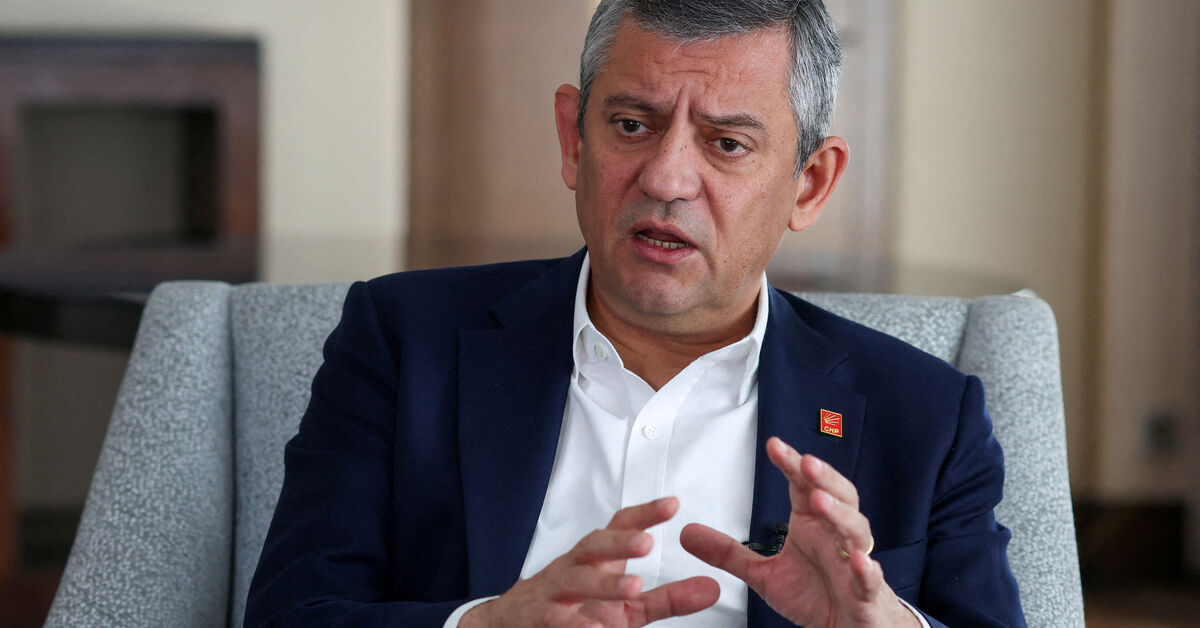
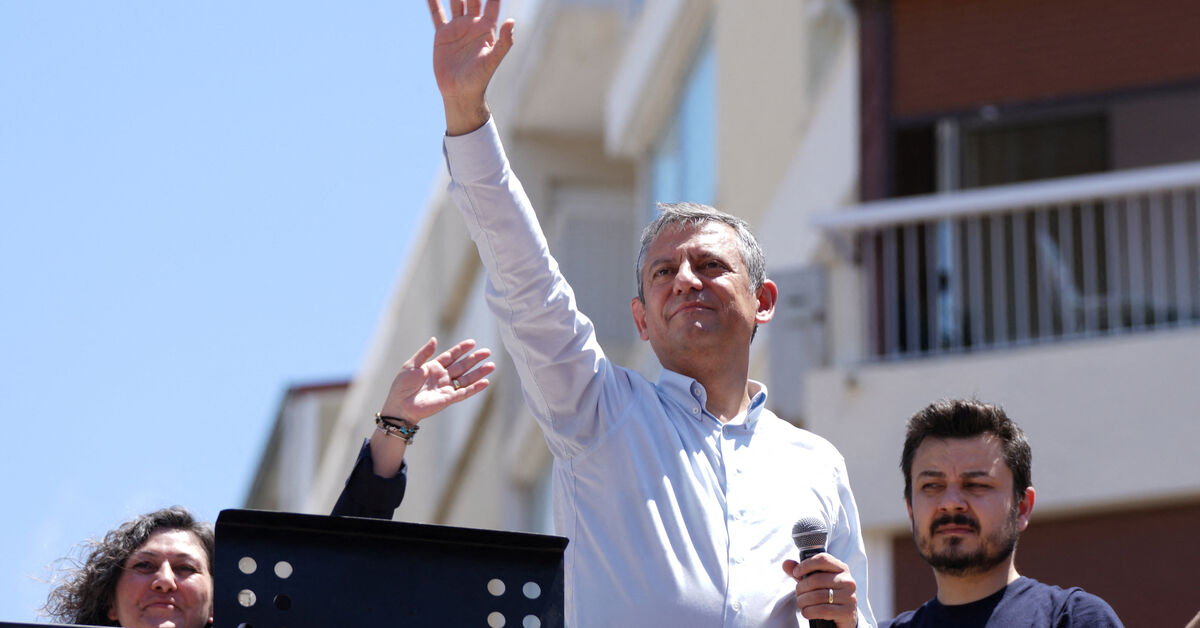
Ed Miliband, the new UK foreign secretary, on Israel, Iraq, Syria and Iran
Ed Miliband's new role revives scrutiny of his Iraq, Syria and Palestine positions and his caution on military intervention.
Intelligence analysis by GPT-5.4 Mini

The article argues that Miliband enters the Foreign Office with a clear anti-war record and a multilateral instinct. His long-running views on Iraq, Syria, Palestine, and Israel may shape how Britain handles the Middle East under Andy Burnham.
The article says Ed Miliband is like a referee who believes nobody should rush into a fight without a clear way to stop it. He has often said wars need careful plans, and he also wants Palestine to be treated more like its own country.
Analysis
A Foreign Secretary Defined by Old Wars
Ed Miliband arrives at the Foreign Office with a reputation shaped by past conflict debates more than by diplomatic dealmaking. The article frames him as a Labour figure whose record on Iraq, Syria, and Palestine has long been visible in public.
That matters because the job is partly about instinct. His acceptance remarks, including his invocation of his parents' escape from Nazi persecution, and his promise to work with the EU, Nato, the UN, and partners in the global south, point to a multilateral style rather than a unilateral one.
Why Iraq and Syria Still Shape the Brief
The Iraq war remains the strongest lens through which the article views Miliband. It says he called the war wrong and later argued that military intervention should never happen without a clear plan and exit strategy, tying his position to the legacy of the invasion.
Syria sharpened that same argument. The article says he led Labour's opposition to British strikes in 2013 after Assad's chemical weapons use, and that he still defends the decision because he did not want intervention without a clear endgame. That gives him consistency, but it also leaves him vulnerable to criticism that caution can look like hesitation when crises move fast.
Palestine, Israel, and the Problem of Credibility
On Palestine and Israel, the article says Miliband has long supported recognition of a Palestinian state and has been outspoken on the issue. Even though the section in the source cuts off before its conclusion, the direction is clear: his record places him closer to advocates of Palestinian recognition than to those who prefer delay.
That will shape how his foreign policy is read from the start. If he can pair a sustainable peace message with working ties to allies, Britain could present itself as a broker rather than a bystander. If not, his past positions on Iraq and Syria may become the dominant story every time he speaks about the region.
Key points
- Ed Miliband was appointed foreign secretary by Andy Burnham and said the world faces major instability and threats to international law.
- He said the Iraq war was wrong and later argued that intervention needs a clear plan and exit strategy.
- He opposed British military action in Syria in 2013 and still says he does not regret that position.
- The article says he has long supported recognition of a Palestinian state.
- His new role will be judged through a long record on wars, diplomacy, and the Middle East.
If Miliband's cautious, multilateral approach holds, Britain could push harder for diplomacy and avoid rushed military action. His support for a sustainable peace in Palestine and Israel could also give the UK more room to act as a bridge between sides.
His record could make him look hesitant in moments when allies want a faster or tougher response. Critics may also keep focusing on Iraq and Syria, which could limit how much trust he wins on the Middle East file.