Education Emergency Fails to Stop Collapse in KP Board Exam Results
Despite an "education emergency" in Khyber Pakhtunkhwa, recent 9th and 10th-grade board exam results from BISE Mardan and Peshawar show widespread student failures, with many schools recording extremely low pass rates.
Intelligence analysis by Gemini 2.5 Flash
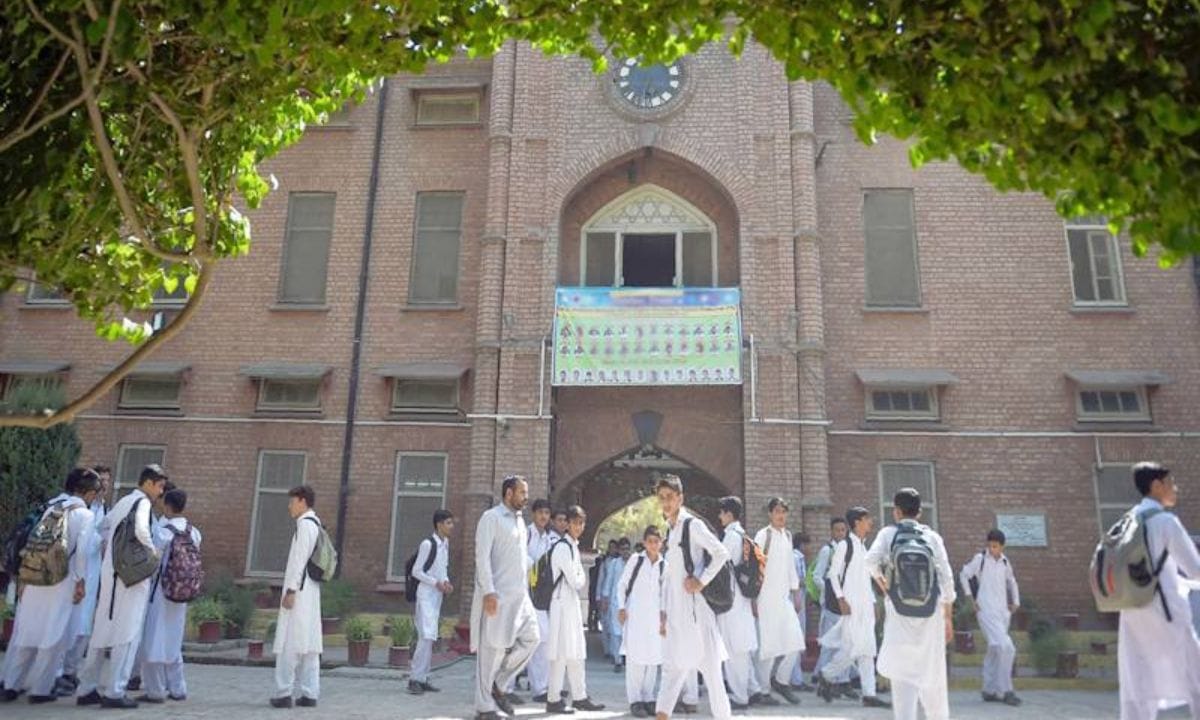
Recent board exam results in Khyber Pakhtunkhwa reveal a catastrophic failure rate among 9th and 10th-grade students under BISE Mardan and Peshawar, despite an ongoing "education emergency." Dozens of schools reported pass rates below 50%, with some institutions experiencing complete washouts, highlighting a severe crisis in the region's education system.
Imagine a big test at school, and lots of kids in a whole area called Khyber Pakhtunkhwa are failing, even though the grown-ups said it was an "education emergency" and they would fix things. It's like a soccer team losing almost every game even after getting a new coach and special training. This means many kids aren't learning what they need to, which is a big problem for their future.
Analysis
BISE Mardan
The recent examination results from BISE Mardan reveal a deeply concerning trend of mass student failures, particularly in the 9th and 10th grades. Only a mere 30 schools under its jurisdiction managed to achieve a pass rate above 50 percent for their 9th-grade students, indicating a widespread struggle across numerous institutions. This alarming statistic points to systemic issues within the educational framework overseen by the board, suggesting that a significant portion of students are not adequately prepared for their examinations.
Furthermore, the situation for 10th-grade students under BISE Mardan was equally dire, if not worse. An assessment of ten schools showed that nine of them failed to get even half of their candidates to achieve a 50 percent score. This consistent pattern of underperformance across both crucial examination levels underscores a profound educational crisis that appears to be deeply entrenched within the region's schooling system, challenging the efficacy of current teaching and assessment methodologies.
Khyber Pakhtunkhwa
The widespread failures in board exams across BISE Mardan and BISE Peshawar occur despite an "education emergency" having been declared and currently in force throughout Khyber Pakhtunkhwa. This declaration was presumably intended to galvanize efforts and resources to improve educational outcomes, yet the recent results suggest these measures have been largely ineffective in stemming the tide of academic collapse. The failure of an emergency intervention to yield positive results raises serious questions about the strategy and implementation of educational reforms in the province.
The implications for Khyber Pakhtunkhwa are substantial, as a generation of students is evidently struggling to meet basic academic standards. Such high failure rates not only impact individual students' futures but also pose a significant challenge to the province's human capital development and long-term socio-economic progress. The inability to improve foundational educational achievements, even under emergency conditions, signals a need for a fundamental re-evaluation of educational policy and resource allocation within the region.
9th and 10th Grade
Specific instances of failure in the 9th grade highlight the severity of the crisis, with several institutions posting complete washouts. For example, Government High School Takil in Swabi saw all 13 of its candidates fail the 9th-grade exam, a stark indicator of profound educational deficiencies. Similarly, Government College High School Dagai reported a 100% failure rate, while Government High Schools Khawari and Darwazgai in Nowshera each produced only a single successful candidate.
The 10th-grade results mirrored this troubling trend, with specific examples underscoring the depth of the problem. At Government Higher Secondary School Mohabbat Khan in Mardan, only one out of 27 students managed to pass, and that too with a C grade, demonstrating a near-total failure. Government Girls Higher Secondary School Akora Khattak in Nowshera recorded a staggering 94 percent failure rate, with only two of its 33 students clearing the exam, reinforcing the pervasive nature of the academic collapse across both key examination levels.
Key points
- BISE Mardan recorded mass failures among 9th and 10th-grade students in board exams.
- This pattern of poor results extends from BISE Peshawar, indicating a regional issue.
- The failures occurred despite an "education emergency" currently in force across Khyber Pakhtunkhwa.
- Dozens of schools had 9th-grade scores below 50%, with some, like Government High School Takil, experiencing complete washouts.
- 10th-grade results were similarly troubling, with 9 out of 10 reviewed schools failing to achieve a 50% pass rate.
The widespread failures could lead to a generation of undereducated youth, exacerbating poverty and unemployment in Khyber Pakhtunkhwa. It also suggests that current educational policies and "emergency" measures are ineffective, potentially leading to further decline in academic standards and public trust in the education system.