Egypt coach Hossam Hassan raises challenge against Argentina and sends message of peace for Palestine
Egypt's coach Hossam Hassan, speaking in Atlanta before the World Cup 2026 round-of-16 clash with Argentina, said his team fears no one and will play its own style. He also used the press conference to urge the world to let the Palestinian people live in peace.
Intelligence analysis by Llama
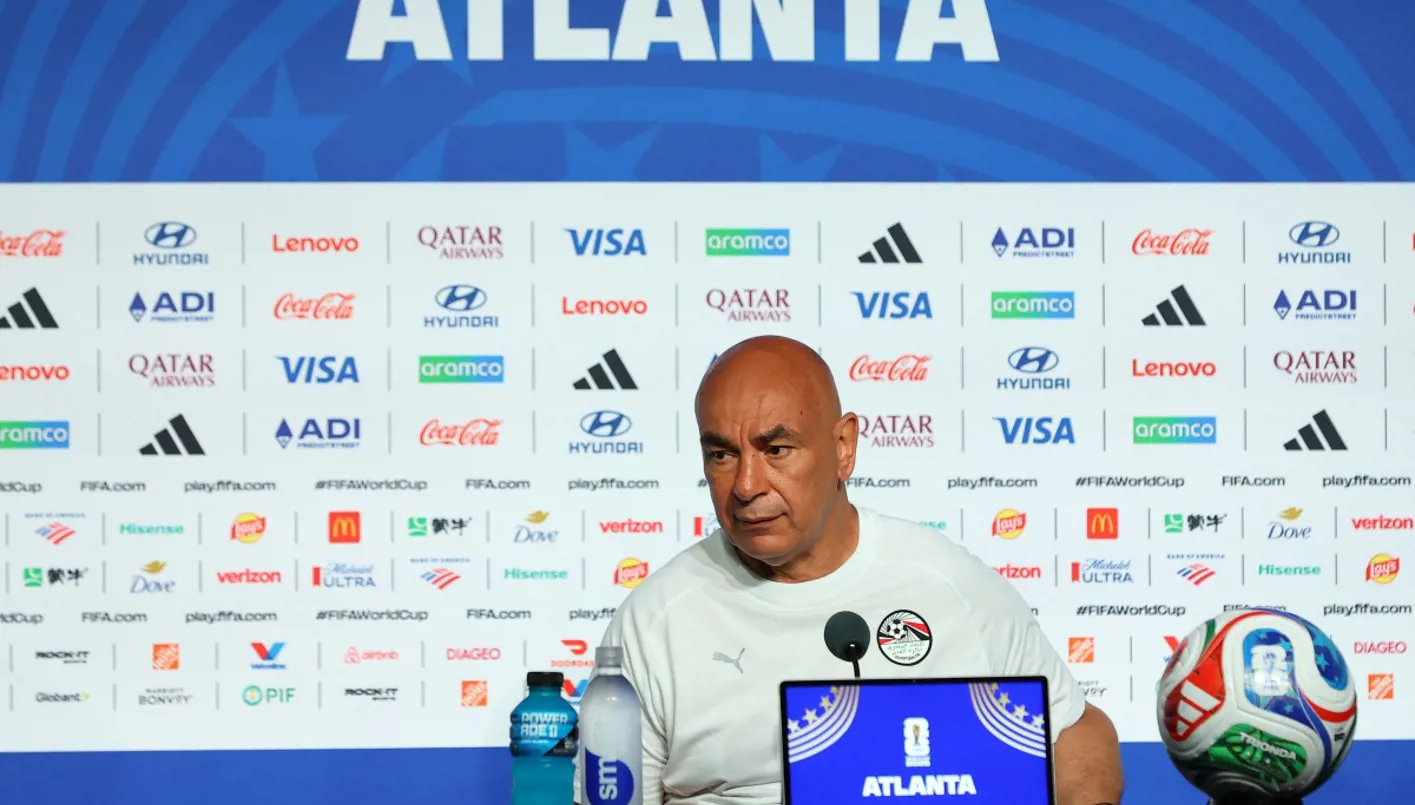
Hossam Hassan addressed reporters in Atlanta on the eve of Egypt's heavyweight World Cup 2026 last-16 tie against defending champions Argentina, insisting his players will not be intimidated by Lionel Messi and company. The Egyptian coach, who has guided the team through the group stage, framed the match as a chance to showcase Egyptian, Arab and African football on the global stage.
Egypt's soccer coach Hossam Hassan is getting his team ready to play Argentina, the world champions, in a big tournament game. He said his team isn't scared of anyone, even Messi. He also used the moment to ask the world to help Palestinian people live in peace, like turning a soccer press conference into a loud microphone for kindness.
Analysis
Hassan Sets the Tone in Atlanta
Hossam Hassan, Egypt's national team coach and one of the most recognisable figures in Arab football, used the pre-match press conference in Atlanta to draw a clear line between respect and fear. He said his side respects Argentina and Lionel Messi, whom he called a global legend, but stressed that Egypt will not be overawed. "We respect the opposing teams but we don't fear anyone," Hassan told reporters, according to the article. He reminded journalists that Egypt had already taken on Spain and Brazil in friendlies and faced Belgium in the group stage without altering its approach, and would do the same against the reigning world champions. The framing is significant: Egypt is presenting itself not as a fortunate qualifier but as a team that earned its place among the last sixteen through deliberate preparation.
A Short Turnaround and a Squad in Trust
The article also addresses the practical challenge of the fixture. Egypt booked its place in the round of 16 after a match against Australia in the round of 32, leaving Hassan with a tight window to prepare. He confirmed that training had been disrupted by heavy rain and flooding and that a scheduled session was cancelled, but said his technical, medical and administrative staff had grown accustomed to managing recovery. Players trained together for only 40 to 50 minutes, combined with video and tactical sessions, as fatigue from a congested tournament took its toll. Hassan expressed satisfaction with the preparation and insisted his players are aware of their responsibility, saying they have a genuine chance of reaching the quarter-finals. That confidence, even if rhetorical, matters: it sets a competitive tone for a region that has rarely reached this stage of a World Cup.
Football as a Soft-Power Megaphone for Palestine
The more politically charged portion of Hassan's remarks concerned Palestine. The article reports that the coach defended carrying the Palestinian flag after the previous match, asking how global human-rights and animal-rights organisations can mobilise for suffering creatures while thousands of people, including children and women, are killed. He described Palestinians as living outdoors in tents through winter, summer and flooding in Gaza, and said it would be a disgrace on the world, not just the Arab world, if decision-makers continued to ignore their suffering. "My life has no purpose if I do not feel that," he was quoted as saying, adding that the feeling is human rather than religious. Hassan framed the World Cup itself as a soft-power platform, calling on athletes and journalists to send a message: let the Palestinian people live, because they want nothing more than to live. Whether one agrees with his politics or not, the episode underscores how Arab coaches at global tournaments are increasingly willing to fuse sporting moments with political statements on Palestine, turning press conferences into diplomatic megaphones.
Key points
- Egypt coach Hossam Hassan said his team respects Argentina but fears no one ahead of their World Cup 2026 round-of-16 meeting.
- Hassan highlighted Egypt's recent friendlies against Spain and Brazil and a group-stage match against Belgium as evidence the squad can impose its own style.
- Preparation was complicated by heavy rain and flooding, with a training session cancelled and full squad work limited to around 40-50 minutes.
- Hassan defended carrying the Palestinian flag after Egypt's previous match and urged the world to let Palestinians live in peace.
- The coach framed football as 'soft power' and called on athletes and journalists to use the World Cup spotlight to amplify the Palestinian cause.
- Hassan expressed confidence Egypt can reach the World Cup quarter-finals.
If Egypt can deliver a competitive performance against Argentina and progress to the quarter-finals, the run would validate Hassan's two-and-a-half-year project and give Arab and African football a rare late-stage World Cup presence. The Palestine-focused message could also amplify humanitarian appeals to a global audience that tunes in for football but hears a political plea.
A heavy defeat by Argentina would blunt the confidence Hassan projected and expose the gap between Egypt's regional stature and the world's elite. Hassan's outspoken remarks on Palestine may also invite political backlash, online pile-ons, or pressure from parties that prefer sport to remain insulated from geopolitical controversy.