Egypt has several options to deter Ethiopia’s actions over Nile waters: Experts
Egyptian experts suggest Cairo has multiple political, diplomatic, legal, and regional strategies to counter Ethiopia's unilateral actions on the Nile, including building alliances and strengthening domestic water security.
Intelligence analysis by Gemini 2.5 Flash Lite
Experts believe Egypt can deter Ethiopia's unilateral Nile dam actions through regional alliances, pressure on Ethiopian interests, and bolstering its own water security. They argue Ethiopia's stance contravenes international law and may stem from domestic policy failures.
Imagine two neighbors sharing a garden hose. One neighbor wants to build a big water tank that might reduce the water flow to the other. Experts say the second neighbor has many ways to talk to the first, ask others to help mediate, or even go to a neighborhood council if talks fail, while also preparing for less water by collecting rain and using less.
Analysis
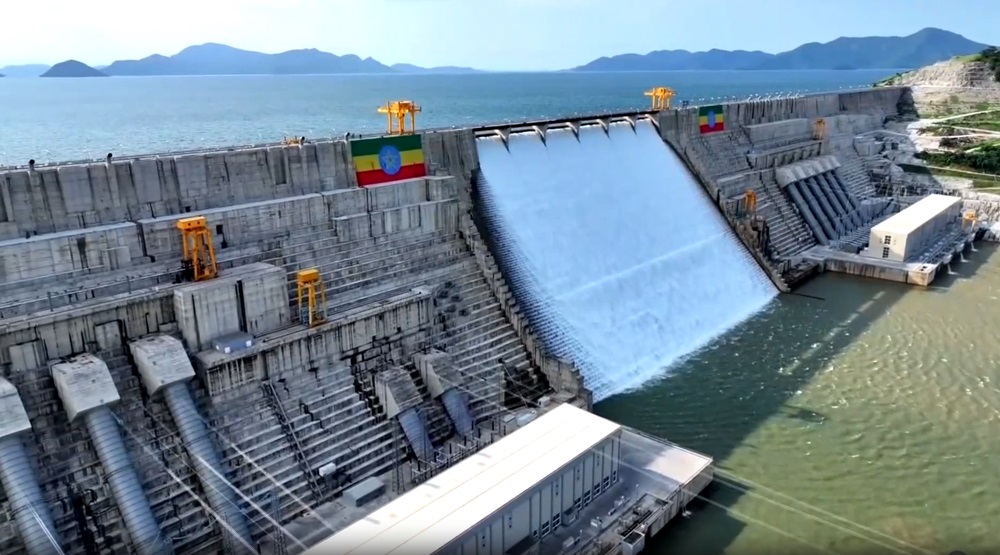
Grand Ethiopian Renaissance Dam (GERD)
The Grand Ethiopian Renaissance Dam (GERD) has become a focal point of contention between Egypt and Ethiopia, with experts asserting that Ethiopia's actions regarding the dam and its statements about constructing further dams on the Blue Nile contravene international laws and conventions governing transboundary rivers. Ambassador Salah Halema highlights that dealing with such a vital international waterway cannot be based on unilateral sovereignty or actions that harm downstream nations like Egypt and Sudan. He interprets the Ethiopian minister's remarks about controlling water flow to downstream countries as having a political, rather than purely developmental, objective, underscoring the need for a legally binding agreement on the dam's filling and operation. This approach, he suggests, is an attempt by Ethiopia to treat an international river as if it were an internal resource.
Three Paths
Ambassador Halema outlined three primary avenues for Egypt to deter Ethiopia's unilateral actions. The first involves a genuine return to negotiations with good faith and political will. The second path suggests seeking international mediation, potentially involving the US president, to facilitate renewed negotiations and ensure the rights of downstream countries are protected. The third path entails escalating the issue to the United Nations, utilizing mechanisms for the peaceful settlement of disputes. Halema also noted that if Egypt's fundamental interests are threatened, the right of legitimate self-defense under Article 51 of the UN Charter remains a recourse.
Deterrent Mechanisms
Amany al-Tawil, an expert at the Al-Ahram Center for Political and Strategic Studies, elaborated on Egypt's multi-pronged strategy. She identified three parallel deterrent mechanisms: building strong regional alliances that can influence Ethiopia and its interests; engaging with issues pertinent to Ethiopian interests and applying pressure if Egyptian interests are harmed; and crucially, safeguarding Egypt's water security. This latter point involves strengthening domestic resilience through measures like enhancing the High Dam's capacity, expanding desalination plants, diversifying agricultural crop patterns, and promoting water conservation, especially in the agricultural sector. Tawil also advocates for intensified Egyptian engagement within Ethiopia and the Horn of Africa to foster broader understanding of Egypt's position.
Key points
- Egypt possesses political, diplomatic, legal, and regional options to counter Ethiopia's unilateral actions on Nile waters.
- Experts argue Ethiopia's actions on the Grand Ethiopian Renaissance Dam (GERD) contravene international law.
- Egypt's strategy involves building regional alliances, pressuring Ethiopian interests, and enhancing domestic water security.
- Potential diplomatic paths include good-faith negotiations, international mediation, and recourse to the UN.
- Ethiopia's actions may be linked to domestic policy failures and economic pressures, according to some analysts.
If diplomatic efforts succeed, a legally binding agreement on the GERD could ensure equitable water sharing, fostering regional stability and allowing Ethiopia to achieve its development goals without jeopardizing Egypt's water security. Egypt's proactive measures in water management could also position it favorably against future water scarcity challenges.
Continued unilateral actions by Ethiopia, coupled with a failure to reach a binding agreement, could lead to escalating tensions, regional instability, and significant water shortages for Egypt, potentially forcing it to consider more drastic measures to protect its vital water resources.