Kushner meets Hamas leaders in Egypt, amid ongoing Israeli attacks
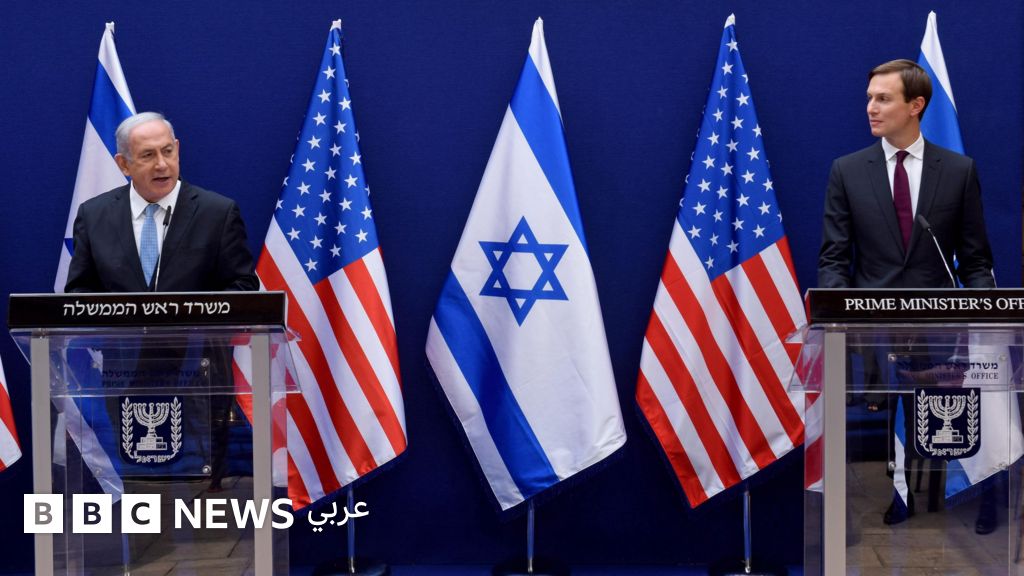
Jared Kushner met with Egyptian President Sisi and Hamas' political chief Khalil al-Hayya in Egypt, amid ongoing Israeli attacks. Saudi Arabia, Turkey, and Pakistan have signed the Mecca Joint Defence Agreement, according to Donald Trump. Shipping through the Strait of Ho…
Intelligence analysis by Llama

Jared Kushner met with Egyptian President Sisi and Hamas' political chief Khalil al-Hayya in Egypt, amid ongoing Israeli attacks. Saudi Arabia, Turkey, and Pakistan have signed the Mecca Joint Defence Agreement, and shipping through the Strait of Hormuz has slowed down due to attacks on vessels.
Imagine a big meeting between important people from different countries to talk about how to make peace. That's what happened in Egypt between Jared Kushner, Egyptian President Sisi, and Hamas' political chief Khalil al-Hayya. They're trying to find a way to stop the fighting in Gaza. Meanwhile, some countries like Saudi Arabia, Turkey, and Pakistan are working together to make the Middle East a safer place.
Analysis
Regional Security Shifts Amid Ongoing Israeli Attacks
The meeting between Jared Kushner, Egyptian President Sisi, and Hamas' political chief Khalil al-Hayya in Egypt is a significant development in the ongoing Israeli-Palestinian conflict. The rare attempt at dialogue between Israel and Hamas highlights the complexities of regional security in the Middle East.
The signing of the Mecca Joint Defence Agreement by Saudi Arabia, Turkey, and Pakistan is also a notable development. According to Donald Trump, the agreement 'shows how the Middle East is coming together'. This shift in regional dynamics has implications for the ongoing conflict in Gaza and the broader Middle East.
Iran's Military Strategy
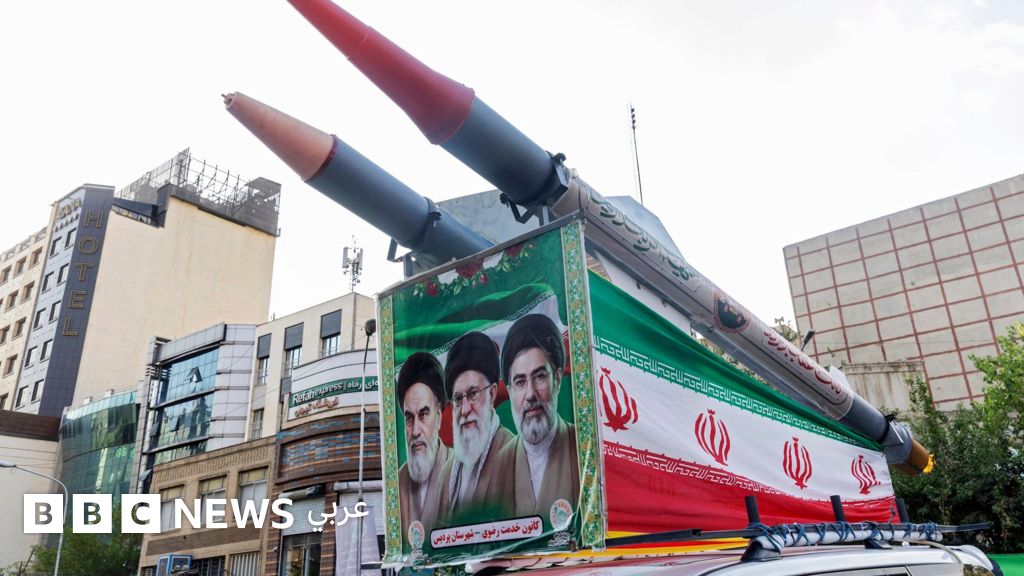
A senior commander of the Islamic Revolutionary Guard Corps (IRGC) has warned Iran's enemies to 'anticipate strategic surprises' as Tehran is set to shift from a defensive stance to an offensive one. The commander stated that 'whatever is necessary to defend this land, ensure security, and neutralise enemy threats will be executed at the appropriate time'. This shift in military strategy has significant implications for regional security and the ongoing conflict in the Middle East.
Yemen's Artillery Attacks
Yemen's internationally recognised government has launched artillery attacks against the Houthis in the northern al-Jawf Governorate. The attacks targeted 'gatherings and dens' belonging to the Houthis, according to a post on X by the Yemeni Saudi-backed forces. This development highlights the ongoing conflict in Yemen and the complexities of regional security in the Middle East.
Key points
- Jared Kushner met with Egyptian President Sisi and Hamas' political chief Khalil al-Hayya in Egypt.
- Saudi Arabia, Turkey, and Pakistan have signed the Mecca Joint Defence Agreement.
- Shipping through the Strait of Hormuz slowed down due to attacks on vessels.
- Iran's military strategy is shifting from defensive to offensive.
- Yemen's internationally recognised government launched artillery attacks against the Houthis in the northern al-Jawf Governorate.
If the Mecca Joint Defence Agreement is successful, it could lead to a more stable and secure Middle East. This could also pave the way for more dialogue and cooperation between Israel and Hamas, potentially leading to a resolution of the ongoing conflict in Gaza.
The ongoing conflict in Gaza and the broader Middle East is a complex and sensitive issue. The shift in Iran's military strategy from defensive to offensive could lead to increased tensions and instability in the region. Additionally, the artillery attacks by Yemen's internationally recognised government against the Houthis could exacerbate the ongoing conflict in Yemen.