Sabbath cafe clash lays bare Israel faultlines
Weekly protests in Jerusalem over Cafe Basimta opening on Shabbat highlight growing friction between ultra-Orthodox and secular Israelis ahead of October 27 elections.
Intelligence analysis by Llama
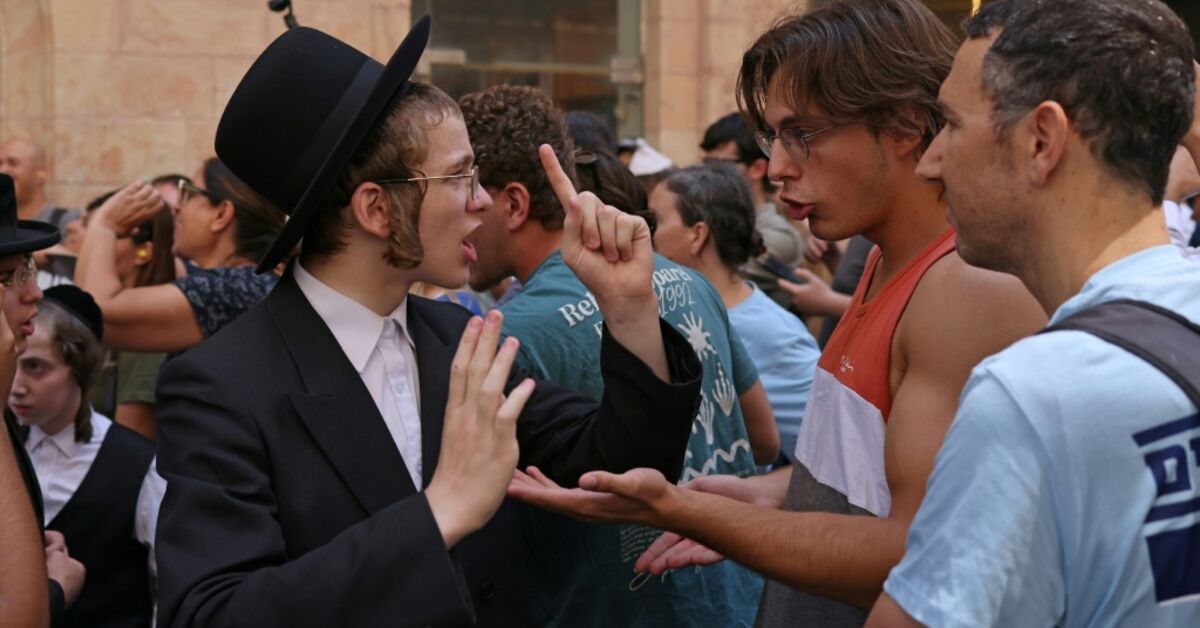
Ultra-Orthodox demonstrators and secular counter-protesters have faced off every Saturday since June over a Jerusalem cafe that serves coffee on Shabbat, crystallising debates over military exemptions, religious coercion and Netanyahu's coalition arithmetic ahead of the October 27 vote.
In one part of Jerusalem, some people don't want any shops open on Saturday because it's their holy day, and other people just want to drink coffee. Every week they argue about it, and now it's a big fight before a national election.
Analysis
Cafe Basimta and the geography of resentment
The dispute over a single coffee shop in central Jerusalem captures fault lines that stretch back decades but have widened sharply since the October 7, 2023 Hamas attack. Cafe Basimta sits close enough to an ultra-Orthodox neighbourhood that its Saturday opening is treated as a provocation rather than a commercial choice. The weekly confrontation, which has played out every Shabbat since June, has turned an ordinary queue for espresso into a referendum on who gets to define Jewish life in Israel's public sphere.
The cafe was opened by a supporter of preaching Christianity to Jews, a movement derided by many Jews, though patrons interviewed said the owner's identity was beside the point. What they are defending is the principle that a secular public space can operate on the Jewish day of rest, a question that the Israeli state has historically ducked by leaving enforcement to local municipalities. In Jerusalem, the balance of power has tilted toward the religious camp for years, making the cafe's persistence a small but symbolic act of defiance.
October 27 elections and the price of political arithmetic
The standoff lands just weeks before the October 27 vote, a contest widely framed as a referendum on Prime Minister Benjamin Netanyahu's tenure. Netanyahu is personally secular but has governed for nearly two decades in coalition with ultra-Orthodox parties, helping them expand their political leverage and, critics say, entrench their exemptions from military service. As the war in Gaza and southern Lebanon has stretched the regular army, resentment over those exemptions has hardened into a campaign issue that Netanyahu's opponents believe they can weaponise.
Challengers led by former military chief Gadi Eisenkot have made ending the draft exemptions a signature pledge, betting that anger among secular and modern-religious conscripts will translate into votes. The strategic logic is straightforward: 53 percent of Jewish Israelis identify as completely or somewhat secular, according to a Jewish People Policy Institute study, and that majority has grown louder since October 7. Whether that anger survives contact with coalition mathematics after the election is the unresolved question.
Alma Ronen and the unpaid bill of citizenship
Twenty-year-old Alma Ronen, who has been fighting in Gaza and southern Lebanon for more than two years, embodies the human cost of the arrangement. Her remarks to Al-Monitor, that she feels anger that only some Israelis must serve, echo a sentiment now common in uniformed circles. The contrast she draws is not abstract theology but a concrete ledger of who bears the war and who does not, a ledger that the ultra-Orthodox parties have so far refused to open.
Shlomit Ravitsky Tur Paz of the Israel Democracy Institute argues that this asymmetry is now driving political backlash, noting that ultra-Orthodox lawmakers are part of the decision to keep the war going without paying the price of conscription. The cafe protests give that grievance a street-level theatre, but the underlying complaint is about a coalition bargain that has outlasted the conditions that once justified it. If the elections do not produce a government willing to renegotiate that bargain, the weekly protests in Jerusalem are likely to look like a preview rather than a peak.
Key points
- Weekly protests since June at Jerusalem's Cafe Basimta have pitted ultra-Orthodox demonstrators against secular counter-protesters over Sabbath opening
- The standoff comes ahead of October 27 elections widely viewed as a referendum on Prime Minister Benjamin Netanyahu
- Ultra-Orthodox military service exemptions, expanded under Netanyahu, are a signature issue for challengers led by former military chief Gadi Eisenkot
- A Jewish People Policy Institute study found 53 percent of Jewish Israelis identify as completely or somewhat secular
- Reservist Alma Ronen said she feels anger that only some Israelis must serve while fighting in Gaza and southern Lebanon
If the October 27 elections produce a coalition willing to revisit the military exemption, the ultra-Orthodox could be brought into a broader national burden-sharing arrangement, easing the resentment that fuels street-level confrontations. Aya Lewkowicz of the Pink Front suggested Israelis should be free to rest as they choose, a framing that, if adopted politically, could defuse the most inflammatory weekly flashpoints.
If Netanyahu returns to power dependent on ultra-Orthodox partners, the exemptions and the political clout that flows from them are likely to remain intact, deepening bitterness among secular conscripts like Alma Ronen. Continued demographic growth of religious communities alongside hardening political polarisation, as flagged by the Israel Democracy Institute, points to a future where confrontations over Sabbath observance intensify rather than fade.