Election Campaign: Dispute over Expropriation: Krach Pokes at the Left
SPD candidate Steffen Krach is using the debate over expropriating the Russian House in Berlin to challenge the Left Party during the election campaign, criticizing their stance on expropriating real estate companies.
Intelligence analysis by Gemini 2.5 Flash
During the Berlin election campaign, SPD's Steffen Krach is pushing for the expropriation of the Russian House, a cultural center he claims is used for propaganda, and is using this issue to highlight disagreements with the Left Party, who advocate for expropriating real estate firms. This tactic aims to pressure the Left Party on their core policy while addressing concerns about Russ…
Imagine two teams running for mayor in Berlin. One team, led by Steffen, thinks a building called the "Russian House" is being used to spread unfair messages and wants to take it over. He's also teasing another team, the "Left Party," who want to take over big apartment buildings from companies. Steffen is saying, "Hey Left Party, if you want to take buildings, why not this one?" It's like a big game of 'tag' before the election to see who gets to lead the city.
Analysis
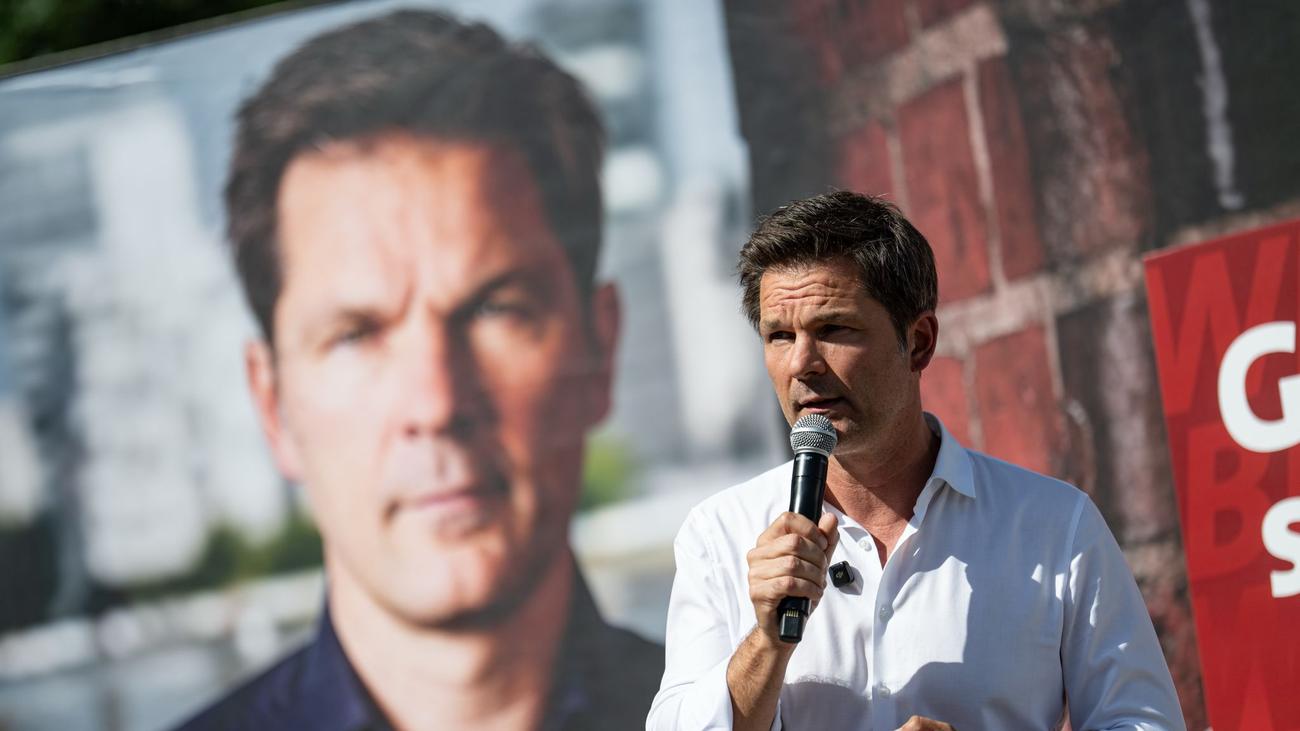
The ongoing election campaign in Berlin is witnessing a sharp political maneuver by SPD top candidate Steffen Krach, who has strategically introduced the contentious issue of the Russian House into the broader debate on expropriation. This move serves a dual purpose: to address growing concerns about foreign influence and to directly challenge the Left Party on a core tenet of their platform. Krach's public stunt with a cardboard sign, directly questioning the Left Party's commitment to expropriation in this specific context, highlights the tactical nature of his campaign.
Steffen Krach's Strategy
Steffen Krach's approach is a calculated attempt to corner the Left Party while simultaneously appealing to voters concerned about geopolitical issues. By linking the expropriation debate, typically focused on housing and real estate companies, to a foreign-owned cultural center accused of propaganda, Krach shifts the narrative. He argues that if the Left Party is serious about expropriation, they should support taking action against an entity perceived as hostile. This tactic forces the Left Party to either align with a controversial stance on a foreign policy matter or defend their selective application of expropriation, potentially exposing inconsistencies in their platform. His direct challenge, suggesting the Left Party would have to govern alone if they insist on their current expropriation demands, underscores the high stakes of this political gambit.
Russian House Controversy
The Russian House in Berlin has long been a point of contention, with calls for its closure intensifying due to the war in Ukraine and allegations of it being a hub for Russian state propaganda. Both the SPD and CDU, through their respective candidates Krach and Stefan Evers, have voiced strong criticism, describing its activities as "unbearable" and lacking "any added value for free cultural and scientific exchange." The facility is seen as a direct conduit for hybrid activities against Germany, making its continued operation in the heart of Berlin a significant concern for mainstream parties. However, the article notes the complexity of shutting down the center, as it operates under a German-Russian agreement that would require termination, implying potential diplomatic repercussions.
Left Party's Dilemma
The Left Party finds itself in a difficult position, caught between its ideological commitment to expropriation and the political realities of coalition building. Federal chairwoman Ines Schwerdtner's declaration that expropriating real estate companies is a condition for government participation in Berlin has set a firm line. However, Krach's challenge regarding the Russian House forces them to confront the practical and political implications of their stance. While Left Party top candidate Elif Eralp attempted to downplay the tension, framing it as legitimate election campaign positioning, the underlying discord is evident. The debate highlights the internal and external pressures on the Left Party to either soften their demands or risk political isolation, especially as other parties like the SPD and CDU are united in their criticism of the Russian House.
Key points
- SPD candidate Steffen Krach is using the Russian House issue to challenge the Left Party in the Berlin election campaign.
- Krach criticizes the Russian House for being a propaganda center and calls for its boycott and closure.
- The Left Party's federal chairwoman, Ines Schwerdtner, made expropriation of real estate companies a condition for government participation.
- Both SPD and CDU view the Russian House critically, citing concerns about Russian state propaganda amidst the war in Ukraine.
- Closing the Russian House is complex due to an existing German-Russian agreement that would need to be terminated.
The public debate initiated by Krach could lead to a clearer stance from all parties on how to address foreign state-sponsored propaganda centers in Germany, potentially resulting in a more unified and effective policy approach. It might also force the Left Party to refine its expropriation proposals, making them more palatable for potential coalition partners.
The highly charged rhetoric around expropriation and the Russian House could further polarize the Berlin political landscape, making coalition formation more difficult after the election. It might also complicate diplomatic relations if Germany unilaterally terminates the agreement regarding the Russian House without careful consideration.