Rising prices for gasoline, heating oil, gas - how expensive will winter be?
Germany faces a challenging winter as fuel, heating oil, and gas prices have surged significantly, impacting commuters, businesses, and overall inflation. Consumers and industries are grappling with unprecedented costs and supply uncertainties.
Intelligence analysis by Gemini 2.5 Flash
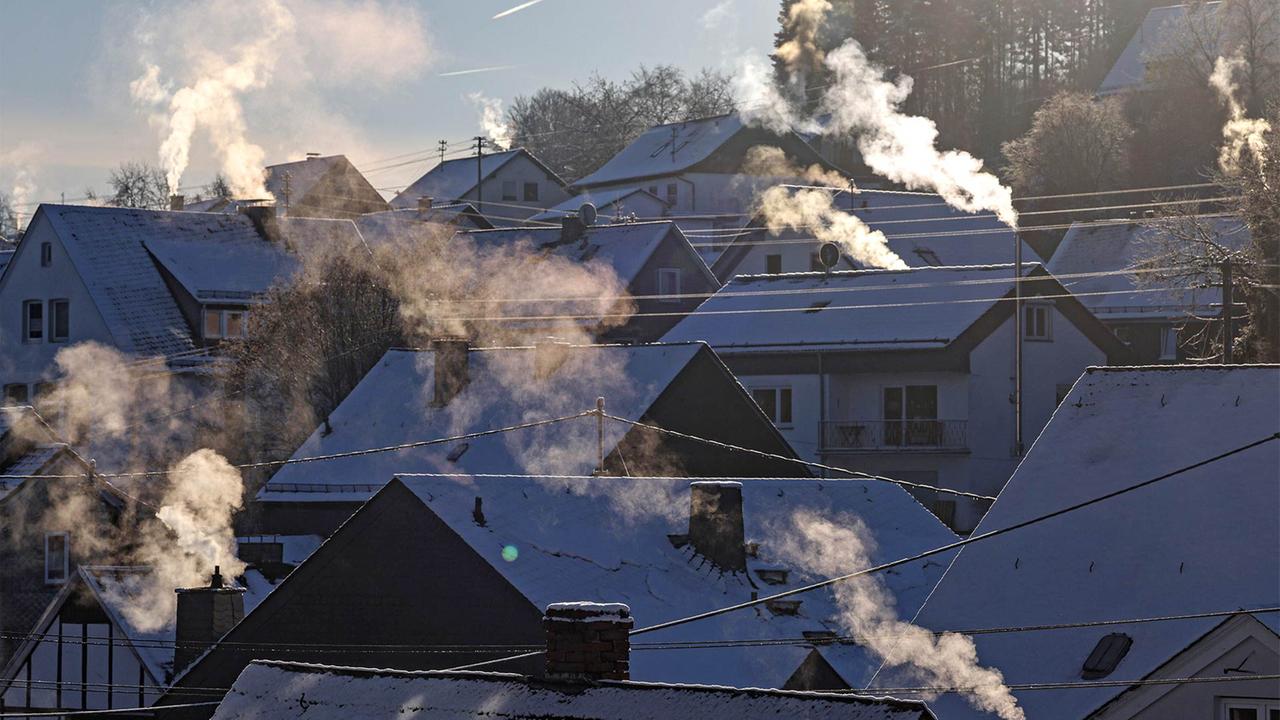
The article highlights the severe economic strain on German households and businesses due to sharp increases in energy prices, particularly for gasoline, heating oil, and natural gas. It details the direct financial burden on individuals and companies, warns of potential industry collapse, and discusses the inflationary effects, alongside concerns about gas supply and the efficacy of …
Imagine your parents' car needs a lot more money for gas, and heating your house costs way more than last year. That's what's happening in Germany right now with fuel, heating oil, and gas prices going way up. It means everything, even food, might get more expensive, and some businesses are finding it really hard to keep going. It's like everyone's piggy bank is getting emptied faster.
Analysis
The current energy crisis in Germany is creating significant economic pressure across various sectors, from individual households to large industrial operations. The rapid escalation in prices for essential energy sources like gasoline, heating oil, and natural gas is not merely an inconvenience but a fundamental challenge to daily life and economic stability.
Daria Schulz
The plight of commuters like Daria Schulz, who now spends approximately 400 Euros monthly on fuel, vividly illustrates the direct impact on individual finances. This substantial increase, driven by a 30 to 45 percent rise in gasoline and diesel prices over the past year, forces difficult choices for many who rely on their vehicles for work. Despite government initiatives like the "tank discount," Germany's fuel prices remain comparatively high, largely due to taxes and levies, offering only temporary and limited relief to the average driver.
Daniel Beständig
For businesses, the situation is even more precarious. Daniel Beständig, who operates an international freight forwarding company with 22 vehicles, reports an additional one million Euros in fuel costs annually compared to 2020. This immense financial burden is pushing medium-sized enterprises to their limits, with the Federal Logistics & Transport Association warning of a potential industry collapse. The increased transportation costs are inevitably passed on to consumers, contributing to higher food prices and fueling the broader inflationary trend, which reached 3.3 percent overall, with energy prices alone rising 14.9 percent year-on-year in September.
128 Percent
The most alarming surge is seen in wholesale gas prices, which have skyrocketed by almost 128 percent within a year. This dramatic increase, coupled with unusually low German gas storage levels for early October, raises serious concerns about potential shortages and an exceptionally expensive winter. While some companies, like HOBUM Oleochemicals, have secured long-term contracts, many industrial firms face a significant competitive disadvantage due to the high energy costs. Economists, such as Andrej Putisek from the Stuttgart University of Applied Sciences, caution that proposed measures like a fuel price cap could exacerbate the problem by increasing demand while simultaneously reducing supply, potentially leading to scarcity rather than relief.
Key points
- Gasoline and diesel prices have risen by 30-45% in Germany over the past year.
- Heating oil costs have surged by approximately 80%, leading to reduced sales for dealers.
- Wholesale gas prices are up nearly 128%, with German gas storage levels unusually low.
- Rising energy costs are driving inflation (3.3%) and increasing food prices.
- Proposed fuel price caps are warned against by economists due to potential scarcity.
While the current situation is challenging, the article mentions the release of strategic fuel reserves and a planned fuel price cap, which could offer some temporary relief to consumers and businesses. Additionally, companies like HOBUM Oleochemicals have secured long-term gas contracts, mitigating some immediate risks for parts of the industry.
The article warns of severe consequences, including a potential collapse of the logistics industry, widespread scarcity if a fuel price cap is implemented, and the risk of gas shortages due to unusually low storage levels. This could lead to an extremely expensive winter for German households and a significant competitive disadvantage for industrial companies.


