Left-wing Politics: In Austria's Second-Largest City, Communists Govern – A Model for Berlin?
The Communist Party of Austria (KPÖ) unexpectedly won elections in Graz, Austria, in 2021, with its mayor Elke Kahr focusing on affordable housing and citizen engagement. Germany's Left Party in Berlin is now looking to this "Graz model" for inspiration, despite key diffe…
Intelligence analysis by Gemini 2.5 Flash

The article explores whether the surprising success of the Communist Party in Graz, Austria, particularly its pragmatic approach to housing and direct citizen outreach, offers a viable blueprint for Die Linke in Berlin. While both parties share ideological roots and focus on social issues, their specific strategies for addressing housing shortages, especially regarding expropriation v…
Imagine a city in Austria called Graz where a party called the Communists won the election, and their mayor, Elke Kahr, is really good at helping people find affordable homes and making public transport better. Now, a similar party in Berlin, Germany, called Die Linke, is looking at Graz and thinking, "Hey, maybe we can do that too!" But while Graz built new homes, Berlin's party wants to buy up lots of existing homes from big companies, which is a much bigger and more expensive idea, like trying to buy all the toys in a giant toy store instead of just building new ones. Both ideas cost a lot of money, and both cities have to figure out how to pay for it without getting into too much debt.
Analysis
Elke Kahr's Success
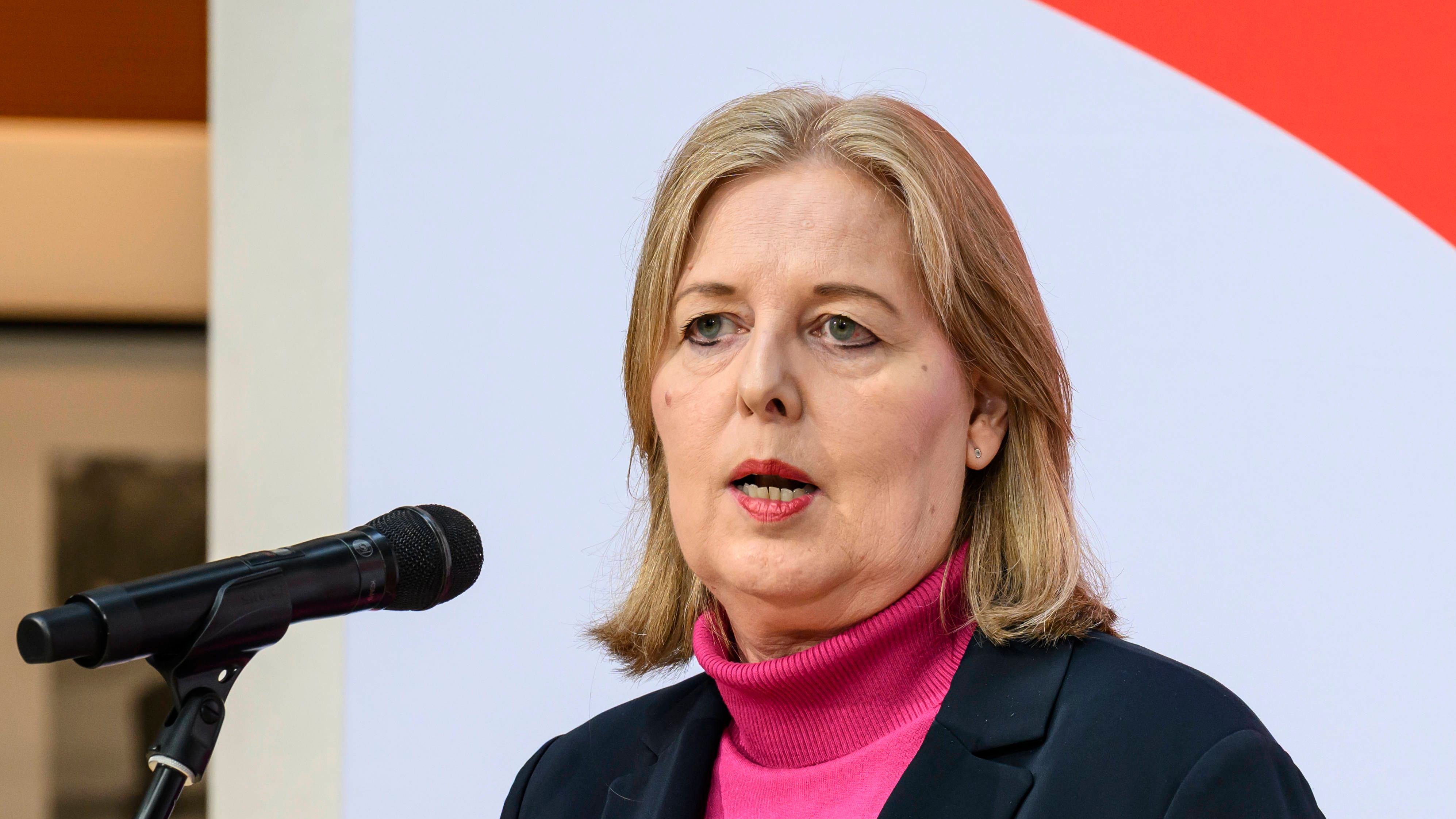
Elke Kahr, representing the Communist Party of Austria (KPÖ), achieved an unexpected victory in Graz's 2021 municipal elections, becoming mayor of Austria's second-largest city. Her campaign successfully resonated with voters by prioritizing affordable housing, expanding public transportation, and combating poverty, earning the KPÖ the reputation of a "helper party." Kahr's "unagitated, pragmatic politics" led to her re-election in 2026 with a significant increase in votes, demonstrating sustained public support for her governance style.
The KPÖ's success in Graz has garnered international attention, with even the "Washington Post" reporting on the city's surprising leftward shift. This model of direct citizen engagement and focus on tangible social issues has become a point of study for other left-wing parties, including Die Linke in Germany. Political scientist Manès Weisskircher from TU Dresden highlights that Die Linke is explicitly inspired by the "Graz model," particularly its emphasis on practical assistance over rhetoric.
Housing Policy Divergence
While Die Linke in Berlin shares the KPÖ's focus on affordable housing, their proposed methods diverge significantly. The Berlin Left Party, led by top candidate Elif Eralp, advocates for the socialization of 220,000 apartments from large real estate corporations, making this a condition for potential coalition governments. This controversial demand faces criticism from economic experts and potential governing partners due to its radical nature and potential economic repercussions.
In contrast, the Graz KPÖ has pursued a different strategy, focusing on facilitating access to existing municipal housing and aggressively promoting new construction. Since 2022, Graz has reported the construction of 420 new municipal apartments, with another 300 nearing completion and plans for 400 more. An assessment by the Kiel Institute for the World Economy (IfW Kiel) suggests that new construction is a more affordable and efficient means of alleviating rent prices than the expropriation of hundreds of thousands of housing units.
Financial Implications
The differing housing strategies carry substantial financial implications for both cities. Graz, despite its focus on new construction, currently holds the distinction of being Austria's most indebted city, with a per capita debt of 6352 Euros. This suggests that even a construction-focused approach to affordable housing can be fiscally demanding, contributing to municipal debt.
For Berlin, Die Linke's plans to build 7500 municipal apartments annually, requiring approximately two billion Euros in capital each year, would add to the city's already substantial state budget debt of 66 billion Euros. Furthermore, the IfW Kiel estimates that compensating real estate companies for expropriated properties could cost an additional 40.2 billion Euros. These figures highlight the immense financial burden associated with both new construction and socialization, underscoring the distinct market conditions between Berlin, a global city with continuous population growth and low vacancy, and Graz, which recently experienced a surplus of private rental apartments.
Key points
- The Communist Party of Austria (KPÖ) achieved unexpected electoral success in Graz, Austria, under Mayor Elke Kahr, focusing on affordable housing and citizen engagement.
- Germany's Die Linke party in Berlin is drawing inspiration from the "Graz model" for its own political strategy, including direct outreach and a "helping instead of talking" approach.
- While both parties prioritize affordable housing, their methods differ significantly: Graz focuses on new municipal construction, while Berlin's Die Linke proposes expropriating 220,000 apartments.
- Both strategies carry substantial financial implications, with Graz being Austria's most indebted city and Berlin facing billions in potential costs for expropriation and new housing projects.
- Differences in housing market conditions between global city Berlin and smaller Graz make direct comparisons of policy effectiveness challenging.
If Die Linke successfully adapts the "Graz model" of pragmatic, citizen-focused politics and effective housing solutions, it could lead to more affordable living conditions in Berlin. A focus on direct engagement and tangible improvements, combined with a viable housing strategy, could enhance public trust and address critical social needs, potentially improving the quality of life for many residents.
The significant financial burden of Die Linke's proposed housing policies, particularly the estimated 40.2 billion Euro cost for expropriation in addition to new construction, could severely strain Berlin's already indebted budget. Furthermore, the radical nature of expropriation could deter private investment and create legal challenges, potentially exacerbating the housing crisis rather than solving it and leading to political instability.