SPD: Labor Minister and SPD Co-Chair Bas Resigns – Alexander Schweitzer Becomes New Minister
Bärbel Bas, SPD co-chair and Labor Minister, has resigned from her positions, citing personal grief after her stepdaughter's death and public attacks from political opponents. Alexander Schweitzer, former Minister President of Rhineland-Palatinate, is set to replace her a…
Intelligence analysis by Gemini 2.5 Flash
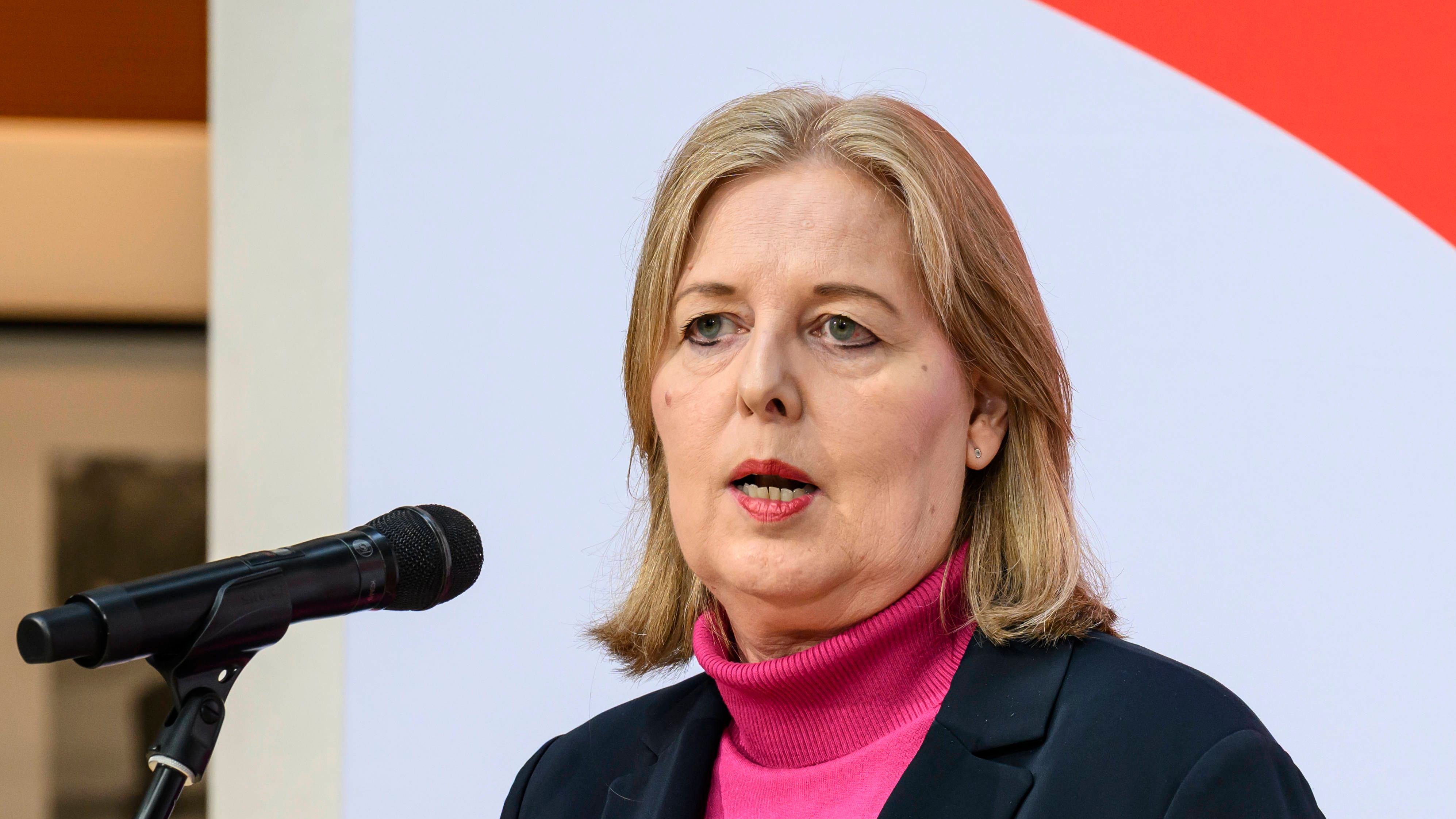
The resignation of Bärbel Bas, a prominent figure in Germany's SPD party and a key minister, creates an immediate vacancy in the federal government. Her departure, driven by personal tragedy and political criticism, comes at a critical time for the Ministry of Labor and Social Affairs, which is grappling with significant reforms, most notably the contentious pension reform. Her succes…
Imagine a very important grown-up in charge of jobs and helping people in Germany, named Bärbel. She's very sad because someone in her family passed away, and also some other grown-ups were being mean to her. So, she decided to take a break from her big job. Now, another grown-up named Alexander will take her place to help with important rules about pensions, which are like savings for when people get old, especially since those rules are a bit tricky right now.
Analysis
The sudden resignation of Bärbel Bas from her dual roles as SPD co-chair and Labor Minister marks a significant shift in Germany's political landscape. Her decision, rooted in the profound personal tragedy of her stepdaughter's death, was reportedly exacerbated by what she described as intensified public attacks from both the opposition CDU/CSU (Union) and, notably, from within her own coalition partners. This situation underscores the immense pressure faced by high-ranking politicians, particularly during times of personal vulnerability, and highlights the often-harsh nature of political discourse in Germany.
Bärbel Bas
Bärbel Bas's departure is a loss for the SPD and the federal government, as she held a pivotal position overseeing critical social and labor policies. Her statement explicitly mentioned the additional burden placed upon her by political criticism during a period of intense personal grief, suggesting a breakdown in collegiality or empathy within the political sphere. The Handelsblatt reported that even though her family situation was known in Berlin, sharp criticism of her absence continued from Union circles. This aspect of her resignation raises questions about the ethical boundaries of political opposition and the support mechanisms available to politicians facing personal crises.
Alexander Schweitzer
The swift announcement of Alexander Schweitzer as Bas's successor demonstrates the SPD's intent to ensure continuity and minimize disruption within the Ministry of Labor and Social Affairs. Schweitzer, with his background as the former Minister President of Rhineland-Palatinate, brings significant administrative and political experience to the role. His appointment is crucial for the SPD to maintain its influence over the social policy agenda, especially with the impending and highly sensitive pension reform. The party's ability to quickly transition to a new minister will be vital in demonstrating its capacity for governance and stability.
Rentenreform
The timing of Bas's resignation is particularly challenging given the critical reforms awaiting the Ministry of Labor and Social Affairs, most notably the pension reform. This issue has been a recurring source of contention within the 'black-red' (CDU/CSU-SPD) coalition, making the leadership transition even more delicate. The successful navigation of the pension reform will be a key test for the new minister, Alexander Schweitzer, and for the overall cohesion of the coalition government. Delays or further disputes could undermine public confidence in the government's ability to address long-term social security challenges.
Key points
- Bärbel Bas resigned as SPD co-chair and Labor Minister due to personal grief and political attacks.
- Her resignation follows the death of her stepdaughter and intensified criticism from opposition and coalition partners.
- Alexander Schweitzer, former Minister President of Rhineland-Palatinate, will succeed Bas as Labor and Social Minister.
- The leadership change occurs as the Ministry of Labor and Social Affairs faces important reforms, including the contentious pension reform.
- SPD leadership criticized the attacks against Bas as "indecent," highlighting political tensions.
The swift appointment of Alexander Schweitzer could ensure continuity in the Labor and Social Affairs Ministry, allowing critical reforms like the pension reform to proceed without significant delay, potentially stabilizing the coalition's legislative agenda and demonstrating effective governance.
The circumstances of Bas's resignation, including the public attacks from coalition partners, highlight underlying tensions within the government. This friction could complicate Schweitzer's efforts to navigate contentious reforms, potentially leading to further political instability or delays in crucial policy implementation.