Eleven killed in Israeli strikes on southern Lebanon, authorities say
Eleven people have been killed in Israeli strikes in southern Lebanon, authorities say, in one of the deadliest days of attacks since an agreement aimed at reducing hostilities was announced in June.
Intelligence analysis by Llama
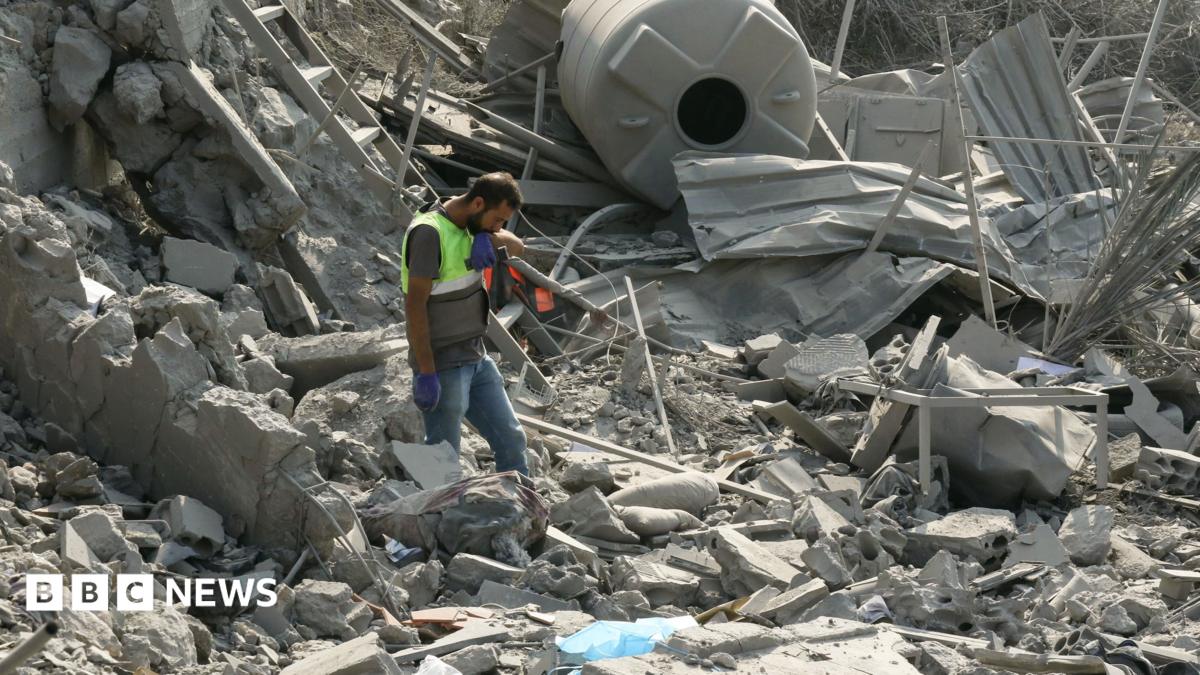
Israeli strikes in southern Lebanon have killed eleven people, including three children and two women, in one of the deadliest days of attacks since a ceasefire agreement was announced in June.
Imagine you're living in a village in southern Lebanon. One day, Israeli planes come and drop bombs, killing 11 people, including 3 kids and 2 women. This is happening because of a long-standing conflict between Israel and Lebanon. The Israeli military says they're targeting Hezbollah, a group that's affiliated with Iran, but the Lebanese government says they're not involved. The situation is very tense, and many people are in need of help.
Analysis
Lebanon's Prime Minister Condemns Israeli Strikes
Lebanon's Prime Minister Nawaf Salam condemned the Israeli strikes, saying that the seven civilians killed were not 'military infrastructure'. He called on Israel to halt the escalation and respect the right to life of Lebanese citizens.
The Israeli military said it had struck 'Hezbollah terror infrastructure' in response to what it described as an earlier action against its soldiers. However, the Lebanese government has denied any involvement of Hezbollah in the recent violence.
The strikes have raised concerns about the implementation of the ceasefire agreement, which was announced in June. The agreement calls for Hezbollah to disarm, Israeli forces to withdraw gradually from southern Lebanon, and the Lebanese army to deploy across the area.
Despite the agreement, Israeli strikes and demolitions in southern Lebanon have continued. The Lebanese government has accused Israel of violating the agreement and has called for an end to the attacks.
The situation remains tense, with both sides accusing each other of violating the ceasefire. The international community has called for restraint and a return to the negotiating table.
The Humanitarian Impact of the Strikes
The strikes have had a devastating impact on the local population. Eleven people have been killed, including three children and two women. Many more have been injured, and homes have been destroyed.
The humanitarian situation in southern Lebanon is dire, with many families displaced and in need of assistance. The international community has pledged support to the Lebanese government to help alleviate the suffering of the affected population.
The Road Ahead
The situation in southern Lebanon remains volatile, with both sides accusing each other of violating the ceasefire. The international community has called for restraint and a return to the negotiating table.
The Lebanese government has accused Israel of violating the agreement and has called for an end to the attacks. The Israeli military has said it will continue to remove threats to Israeli citizens and soldiers operating in the security zone.
The situation is complex, with many factors at play. However, one thing is clear: the humanitarian impact of the strikes has been devastating, and the international community must do more to support the affected population.
Key points
- Eleven people have been killed in Israeli strikes in southern Lebanon, authorities say.
- The strikes have raised concerns about the implementation of the ceasefire agreement.
- The Lebanese government has accused Israel of violating the agreement and has called for an end to the attacks.
- The humanitarian situation in southern Lebanon is dire, with many families displaced and in need of assistance.
- The international community has pledged support to the Lebanese government to help alleviate the suffering of the affected population.
If the ceasefire agreement is implemented, it could lead to a reduction in violence and a more stable situation in southern Lebanon. The international community has pledged support to the Lebanese government to help alleviate the suffering of the affected population.
The ongoing conflict between Israel and Lebanon could lead to further escalation and more humanitarian suffering. The situation remains volatile, and both sides are accusing each other of violating the ceasefire.