Emergency Services: Red Cross Criticizes Planned Bavarian Uniform Day
The Bavarian Red Cross criticizes the proposed "Uniform Day" in Bavaria, arguing it's not the right way to honor emergency services and could create false public expectations about responders' operational capabilities.
Intelligence analysis by Gemini 2.5 Flash
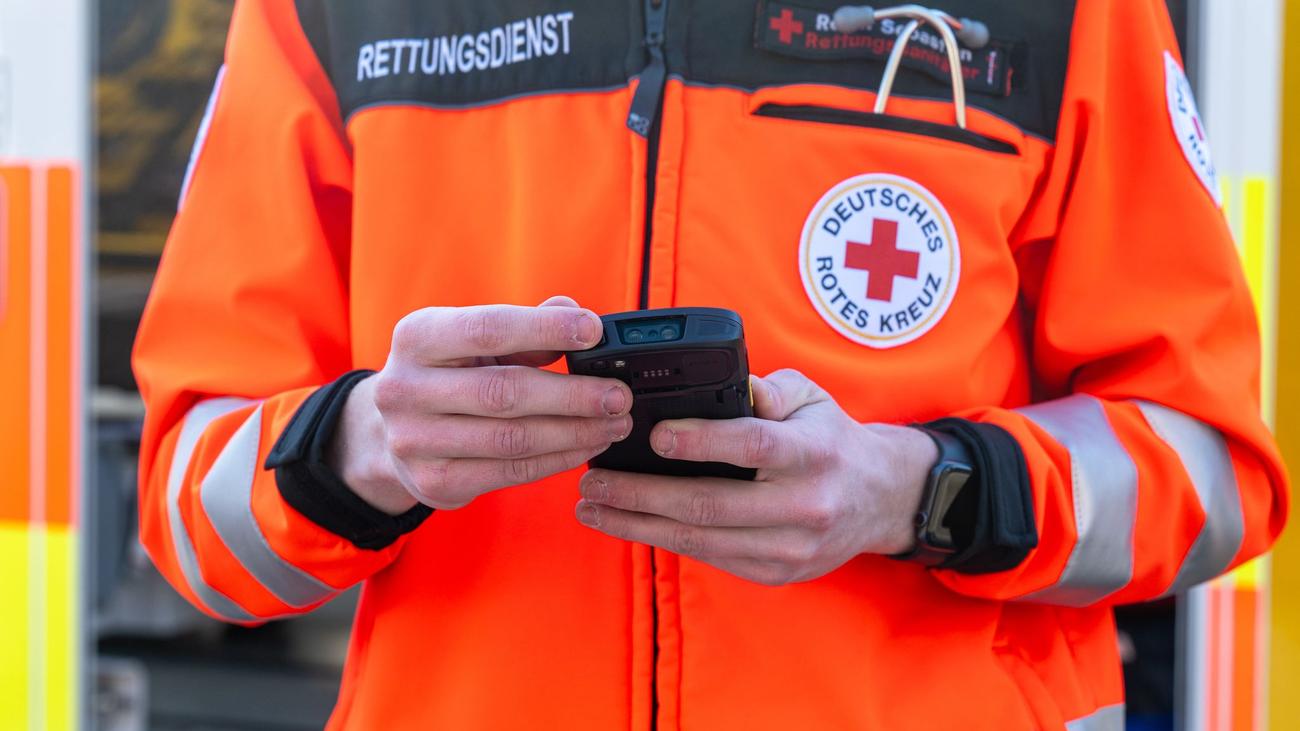
Bavaria's state parliament approved a motion for a voluntary "Uniform Day" for emergency personnel, but the Bavarian Red Cross opposes it. They argue that wearing uniforms without equipment creates a misleading impression of readiness and contradicts their professional standards and internal regulations.
Imagine your school wants everyone to wear their sports uniform to class to show appreciation for athletes. The Red Cross says that's like wearing their uniform without their first-aid kit – people might think they can help right away, but they wouldn't have the tools. They think it's better to show appreciation in ways that respect what their uniform really means: being ready to help with all their gear.
Analysis
The Bavarian Parliament's Initiative
The Bavarian state parliament, driven by a motion from the CSU and Freie Wähler parties, has approved the introduction of a "Uniform Day" aimed at publicly recognizing the dedication of emergency services and volunteers. This initiative proposes that emergency personnel could, on a voluntary basis and with employer consent, wear their uniforms to work. The underlying intention appears to be a desire to elevate the visibility and appreciation for the significant contributions made by these individuals to society, fostering a sense of community gratitude and acknowledging their selfless efforts.
BRK's Core Objections
The Bavarian Red Cross (BRK), while supportive of the general goal to highlight volunteer commitment, has voiced strong opposition to the proposed Uniform Day. A key concern is the potential for public misunderstanding: wearing a uniform immediately signals an approachable, capable, and obligated emergency responder. However, on a designated "Uniform Day," these individuals would typically lack the essential medical equipment and operational materials required to act effectively. The BRK argues that this discrepancy between public expectation and actual readiness would undermine the professional standards associated with their service attire and the inherent "guarantor status" that comes with it. Furthermore, the BRK states that such an event would conflict with their internal regulations concerning service clothing, which they are unwilling to alter for a mere public relations stunt.
Implications for Volunteer Recognition
The BRK's critique raises important questions about the most effective and respectful ways to acknowledge volunteer work. While symbolic gestures like a Uniform Day might seem well-intentioned, the organization emphasizes that true recognition should align with the practical realities and professional integrity of emergency services. The spokesperson highlighted that volunteering in Bavaria does not suffer from a "visibility problem," suggesting that the issue isn't a lack of public awareness but rather the appropriateness of the proposed method of appreciation. This debate underscores the need for policymakers to engage closely with the very organizations they intend to honor, ensuring that recognition efforts genuinely support and respect the operational ethos and public trust that these vital services embody.
Key points
- The Bavarian Red Cross (BRK) opposes the state parliament's plan for a "Uniform Day" for emergency services.
- The BRK believes the day would not properly honor volunteers and could create false public expectations.
- Wearing uniforms without necessary equipment would make responders appear capable but unable to act, contradicting their professional standards.
- The initiative is also incompatible with the BRK's internal regulations regarding service attire.
- The BRK spokesperson stated that volunteering in Bavaria does not have a "visibility problem."
The planned Uniform Day could lead to public confusion and false expectations regarding the immediate operational readiness of emergency personnel, potentially undermining the professional image and trust associated with their uniforms. It might also force organizations like the BRK to compromise their internal regulations for public relations.