Red Sea: Houthi Militia Reportedly Attacks Port City in Saudi Arabia
The Houthi militia claims to have shelled Jizan, a Saudi Arabian port city, causing fires, in retaliation for Saudi-led airstrikes on Houthi positions in Yemen.
Intelligence analysis by Gemini 2.5 Flash

The pro-Iranian Houthi militia has escalated its conflict with Saudi Arabia by reportedly attacking the port city of Jizan, following earlier Houthi attacks on Red Sea shipping and retaliatory Saudi airstrikes. This exchange of hostilities raises concerns about a broader regional conflict and its impact on global trade.
Imagine two big groups of neighbors, one in Yemen (the Houthis) and one in Saudi Arabia. They've been fighting, and now the Yemen group says they shot rockets at a Saudi city, causing fires. This happened after the Saudi group bombed them for attacking a boat. Everyone is worried this fighting could get much bigger and affect how ships carry important things like oil around the world.
Analysis
Escalation in the Red Sea
The recent Houthi claim of a missile attack on Jizan, a vital Saudi Arabian port city, marks a significant escalation in the long-standing conflict between the Iran-backed militia and the Saudi-led coalition. This alleged strike, which reportedly caused fires, follows a pattern of tit-for-tat exchanges that have plagued the region. Saudi Arabia's immediate response of issuing warnings to its citizens, without direct confirmation of the attack, suggests a cautious approach while acknowledging the credible threat posed by Houthi capabilities.
This incident is framed as a direct retaliation for earlier Saudi-led airstrikes against Houthi positions in Yemen. The coalition had justified these airstrikes as responses to previous Houthi aggressions, specifically targeting a vessel in the Red Sea. The Houthis, in turn, had vowed that such attacks would "not go unpunished," indicating a clear intent to escalate their offensive operations beyond Yemeni borders and into Saudi territory.
Targeting Critical Trade Routes
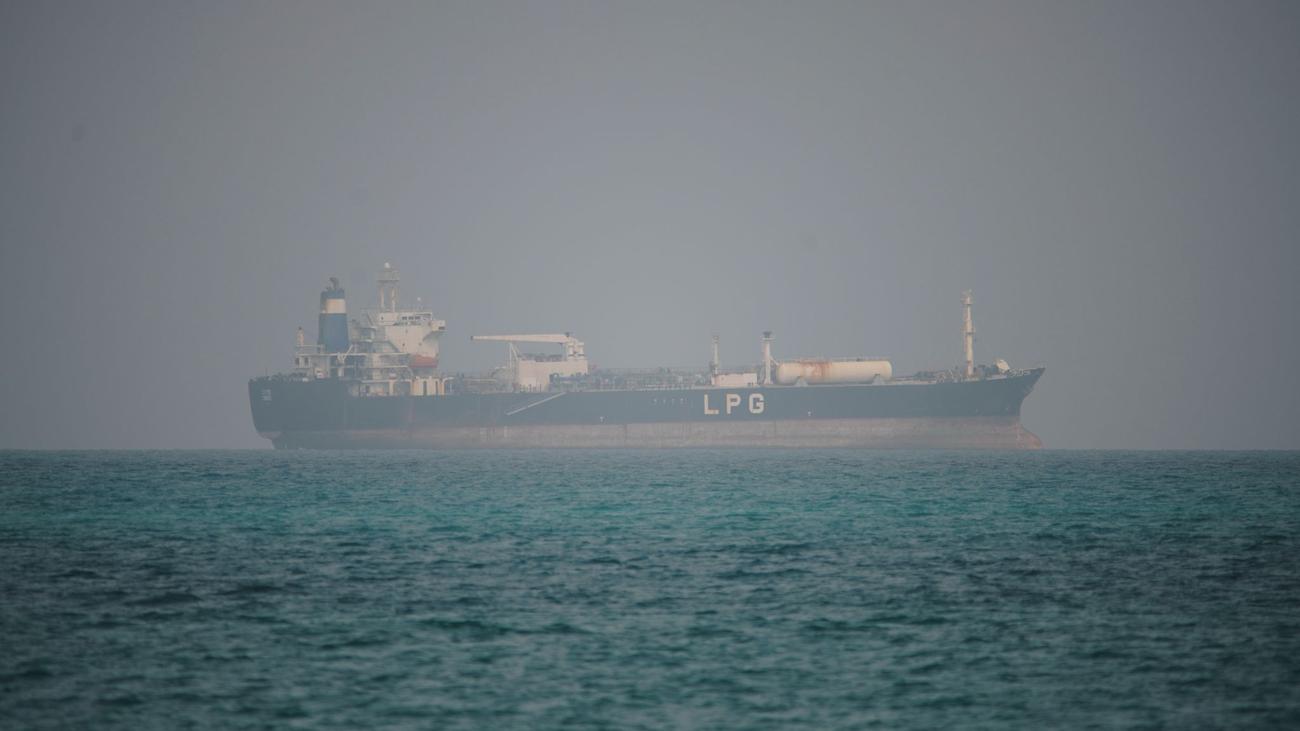
A crucial aspect of the Houthis' strategy involves targeting maritime traffic in the Red Sea. The militia had previously imposed a blockade against Saudi ships and has actively targeted merchant vessels. This tactic is particularly concerning given the strategic importance of the Red Sea and its connection to the Bab-al-Mandab strait, a key chokepoint for global shipping. Saudi Arabia, in response to the closure of the Strait of Hormuz, had already rerouted its oil exports through Bab-al-Mandab, making this route even more critical.
The repeated targeting of shipping lanes by the Houthis poses a direct threat to international trade and energy security. Any disruption in these vital waterways can lead to increased shipping costs, delays, and potential supply chain issues, impacting global markets. The article explicitly states that these blockades and attacks "fueled fears of an escalation of the Iran war," underscoring the broader regional implications of the Houthis' actions, given their alignment with Tehran.
Broader Regional Implications
The ongoing conflict, characterized by these escalating attacks, is not merely a localized dispute but a significant component of the wider geopolitical tensions in the Middle East, often referred to as a proxy conflict between Saudi Arabia and Iran. The Houthis' ability to strike Saudi territory and disrupt international shipping demonstrates their growing military capabilities and their willingness to use them to exert pressure. This situation creates a volatile environment, where miscalculations could lead to a more direct and widespread regional confrontation.
For international observers, including Germany, the stability of the Middle East is paramount due to its role as a major energy producer and a critical hub for global trade. An escalation of hostilities, particularly one that impacts oil exports or shipping routes, could have ripple effects on global energy prices, inflation, and economic stability. The article's mention of "fears of an escalation of the Iran war" highlights the potential for this conflict to draw in more regional and international actors, further destabilizing an already fragile region.
Key points
- The Houthi militia claims to have attacked the Saudi Arabian port city of Jizan with missiles, causing fires.
- This alleged attack is presented as retaliation for Saudi-led airstrikes on Houthi positions in Yemen.
- Saudi Arabia issued warnings to Jizan and Yanbu residents, indicating a credible threat, but did not immediately confirm the attack.
- The Houthis had previously imposed a blockade on Saudi ships and targeted merchant vessels in the Red Sea.
- The conflict raises fears of an escalation of the "Iran war" and disruption to vital global trade routes like Bab-al-Mandab.
The continued escalation of attacks between the Houthi militia and the Saudi-led coalition risks a broader regional conflict, potentially disrupting critical global shipping lanes and oil supplies, leading to significant economic instability and humanitarian crises.
Market signals
- OIL Escalation of conflict in the Red Sea and potential disruption of Bab-al-Mandab strait, a key oil export route, could drive oil prices higher.
AI-generated analysis of potential market relevance. Not financial advice.