Saudi Coalition Strikes in Yemen, Fears of Escalation
The Saudi-led coalition has launched airstrikes in Yemen, targeting 'legitimate military targets' of the Houthi militia in the Hudaida province. The move comes amid escalating tensions in the region, with the Houthi militia announcing a blockade on Saudi oil shipments thr…
Intelligence analysis by Llama
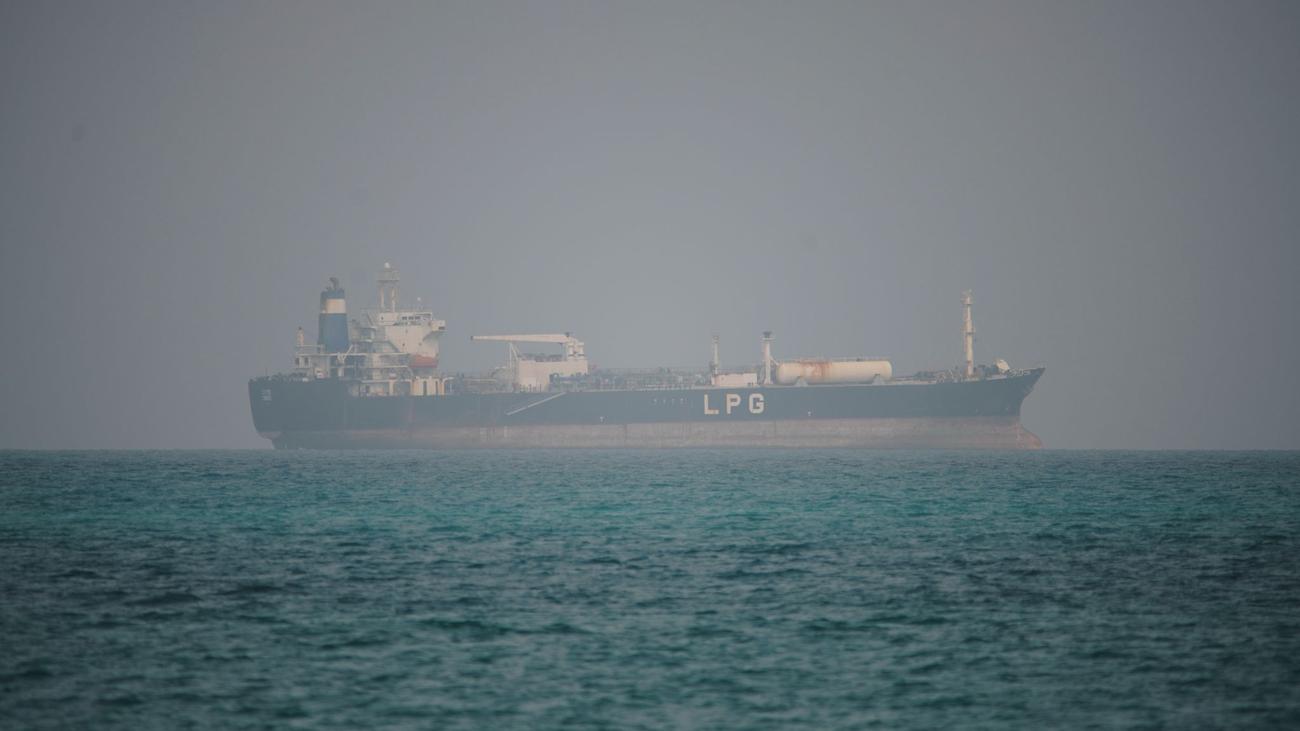
The Saudi-led coalition has launched airstrikes in Yemen, targeting the Houthi militia in the Hudaida province. The move comes amid escalating tensions in the region, with the Houthi militia announcing a blockade on Saudi oil shipments through the Red Sea. The airstrikes have sparked concerns of further escalation in the conflict, which has been ongoing for over a decade.
Imagine a big game of chess, where the pieces are countries and the board is the Middle East. The Saudi-led coalition and the Houthi militia are like two players who are trying to outmaneuver each other. The Houthi militia has been attacking Saudi oil shipments, and the Saudi-led coalition has been responding with airstrikes. It's a very complex and sensitive situation, and the international community is trying to find a peaceful resolution.
Analysis
A $60B Vote of Confidence
The recent airstrikes by the Saudi-led coalition in Yemen have sparked concerns of further escalation in the conflict. The move comes amid escalating tensions in the region, with the Houthi militia announcing a blockade on Saudi oil shipments through the Red Sea. The airstrikes have targeted 'legitimate military targets' of the Houthi militia in the Hudaida province, but the move has been met with criticism from the international community. The conflict in Yemen has significant implications for global oil markets and regional stability. The escalation of tensions between the Saudi-led coalition and the Houthi militia could lead to further disruptions in oil shipments and potentially even affect the Suez Canal.
Why Cursor?
The Houthi militia has been a thorn in the side of the Saudi-led coalition for over a decade. The group has been responsible for numerous attacks on Saudi oil shipments and has been accused of being a proxy force for Iran. The recent blockade announced by the Houthi militia has sparked concerns of further escalation in the conflict. The move has been met with criticism from the international community, with many calling for a peaceful resolution to the conflict.
The Road Ahead
The conflict in Yemen has significant implications for global oil markets and regional stability. The escalation of tensions between the Saudi-led coalition and the Houthi militia could lead to further disruptions in oil shipments and potentially even affect the Suez Canal. The international community must come together to find a peaceful resolution to the conflict and prevent further escalation.
Key points
- The Saudi-led coalition has launched airstrikes in Yemen, targeting the Houthi militia in the Hudaida province.
- The move comes amid escalating tensions in the region, with the Houthi militia announcing a blockade on Saudi oil shipments through the Red Sea.
- The airstrikes have sparked concerns of further escalation in the conflict, which has been ongoing for over a decade.
- The conflict in Yemen has significant implications for global oil markets and regional stability.
- The escalation of tensions between the Saudi-led coalition and the Houthi militia could lead to further disruptions in oil shipments and potentially even affect the Suez Canal.
If the conflict in Yemen can be resolved peacefully, it could lead to a significant decrease in tensions in the region. This could have a positive impact on global oil markets and regional stability. The international community must come together to find a peaceful resolution to the conflict and prevent further escalation.
If the conflict in Yemen continues to escalate, it could lead to further disruptions in oil shipments and potentially even affect the Suez Canal. This could have a significant impact on global oil markets and regional stability. The international community must come together to find a peaceful resolution to the conflict and prevent further escalation.