Gordie Howe Bridge Opens Between US and Canada Amid Tariff Spat
After eight years of construction, the Gordie Howe Bridge connecting Windsor, Canada to Detroit, Michigan opened on Friday, but US officials were disinvited from the ceremony after President Trump announced 50% tariffs on many Canadian goods.
Intelligence analysis by Llama
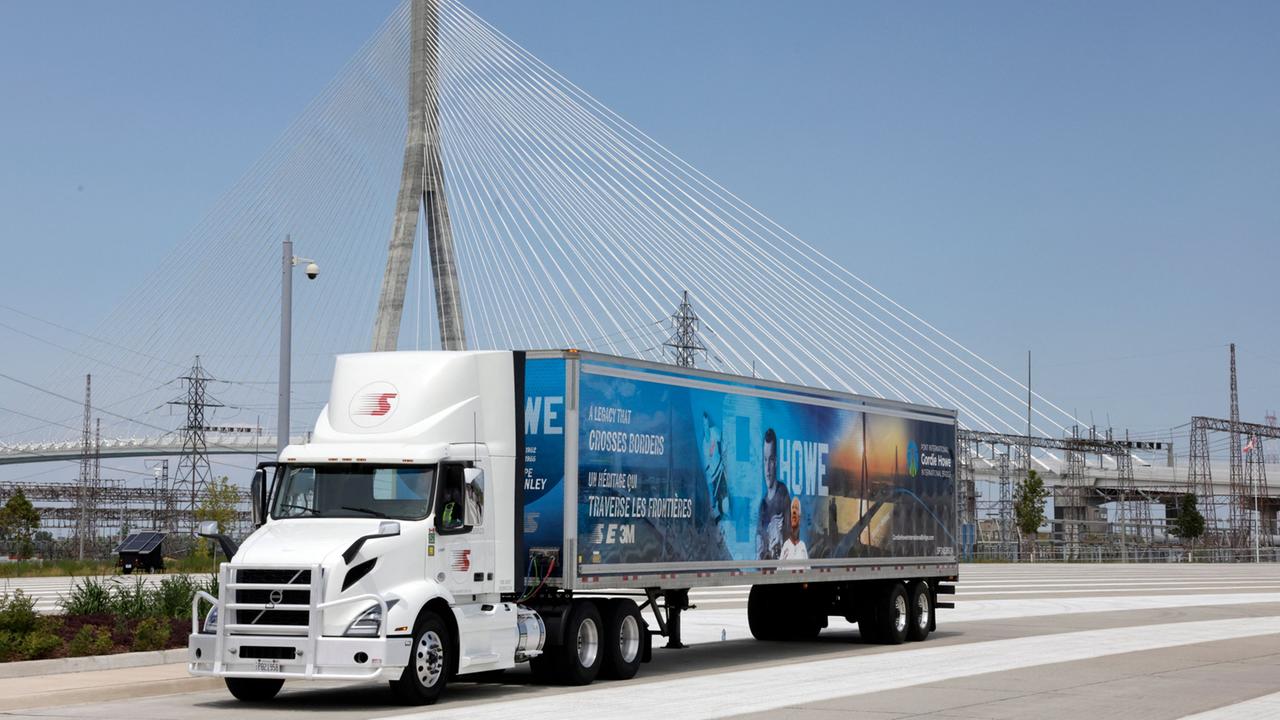
The Gordie Howe Bridge, a key North American trade corridor, opened after eight years of construction, but the ceremony was overshadowed by Trump's 50% tariffs on Canadian goods and the disinvitation of US officials. Canada conceded half of net toll revenue to a US-controlled fund.
A new big bridge opened between Canada and the USA to help cars and trucks cross faster and deliver more goods. But the US president put huge taxes on Canadian products because he says Canada is being unfair, so the Canadians got upset and uninvited the Americans from the party. Canada even had to agree to give the US half the money from bridge tolls, even though Canada paid to build the whole bridge.
Analysis
A Bridge Built for Connection, Opened in Conflict
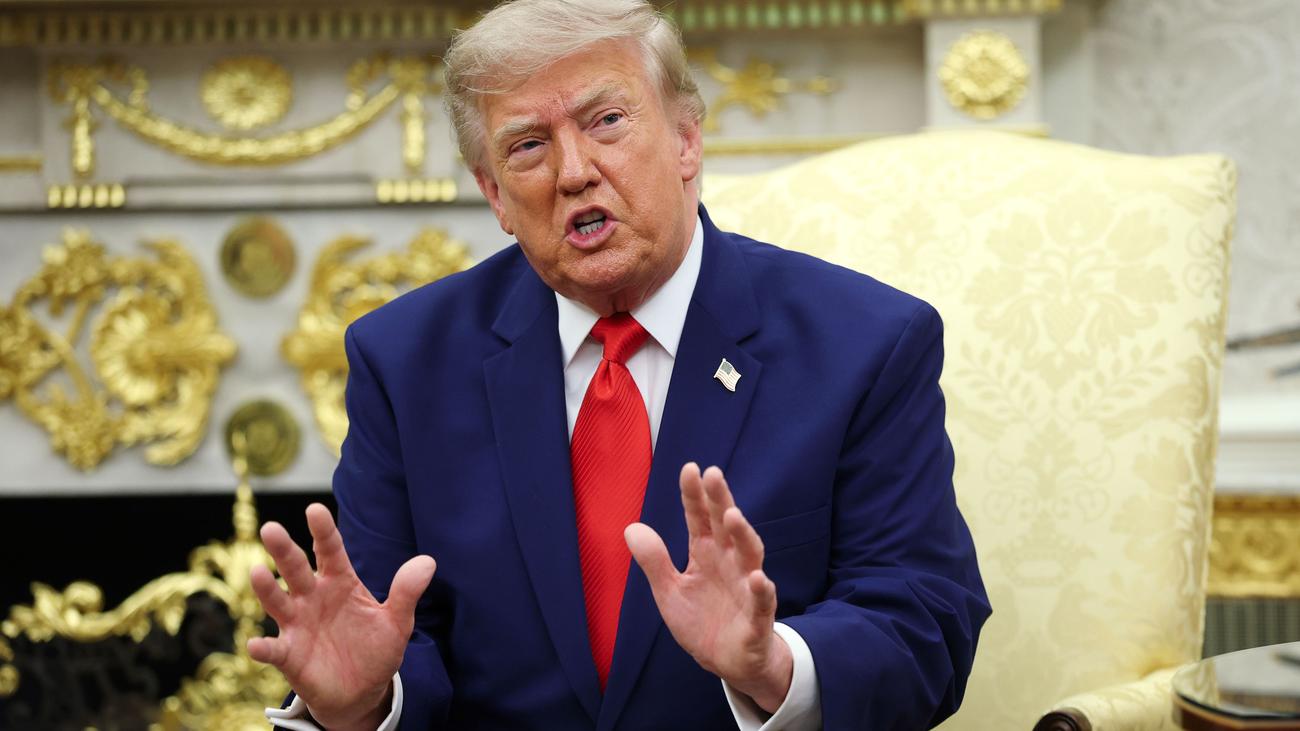
The Gordie Howe Bridge was conceived as a physical link between Windsor, Ontario and Detroit, Michigan, designed to ease the flow of goods across one of the continent's busiest trade corridors. After eight years of construction, that vision of partnership collided head-on with political reality. President Trump's decision to impose 50% tariffs on many Canadian goods days before the opening transformed what should have been a celebratory bilateral moment into a deeply awkward one. US government representatives were formally disinvited from the ceremony, a striking diplomatic rebuke between two countries that have shared an undefended border for more than a century.
Canada Cedes Ground on Toll Revenue
Perhaps the most concrete manifestation of the trade dispute is the toll revenue arrangement struck just before the bridge's opening. Canada financed the entire project, a fact that the University of Toronto political scientist Drew Fagan highlighted when he called Trump's demand for a share of the tolls "one of the most outrageous decisions toward Canada in his tenure." Despite the inequity, Ottawa agreed to direct 50% of net toll revenues for the first 15 years into a US-controlled economic fund. This concession, made under tariff threat, sets a precedent that observers describe as unprecedented in the modern US-Canada relationship, where infrastructure is now being treated as a bargaining chip in a wider trade war.
The Auto Industry as Both Casualty and Catalyst
The Detroit-Windsor corridor is the heart of North American automotive manufacturing, where engines, transmissions, and components cross the border multiple times before a vehicle rolls off the assembly line. Michigan Governor Gretchen Whitmer warned that her state would be hit harder than any other because of its deep exposure to industry and agriculture. With 50% tariffs now in place, the integrated supply chain that defined the region's economic model faces disruption on a scale not seen in decades. The very industries the new bridge was designed to serve are now at the center of the trade conflict the bridge was meant to transcend, and German automakers with North American operations are watching closely.
Key points
- The Gordie Howe Bridge opened after eight years of construction, connecting Windsor, Ontario to Detroit, Michigan
- US government representatives were disinvited from the opening ceremony after Trump announced 50% tariffs on many Canadian goods
- Canada, which fully financed the bridge, agreed to direct 50% of net toll revenues for 15 years into a US-controlled economic fund
- Detroit-Windsor is a critical auto manufacturing corridor where components cross the border multiple times before a vehicle is completed
- Analysts describe the current US-Canada relationship as a historic break, with Trump treating Canada as an adversary rather than a partner
If trade talks between Canadian Prime Minister Mark Carney and Washington succeed, the 50% tariff regime could be rolled back, allowing the bridge to fulfill its original purpose as a symbol of cross-border cooperation. The auto industry, which depends on frictionless integrated supply chains, would benefit from a return to free-trade conditions. The toll-revenue compromise demonstrates that pragmatic negotiations remain possible even during periods of high political tension.
The 50% tariffs could persist if Trump views them as a successful leverage tool, permanently disrupting the integrated auto supply chain and raising costs for consumers on both sides of the border. The toll-revenue concession may embolden further demands, eroding Canadian sovereignty over infrastructure it fully financed. Analysts quoted in the article warn that Trump now treats Canada as an adversary rather than an ally, suggesting a structural deterioration that no single infrastructure project can reverse.