ICC Chief Prosecutor Karim Khan Removed Over Sexual Misconduct Allegations
Karim Khan has been removed as ICC Chief Prosecutor after 82 of 125 member states voted to dismiss him over sexual misconduct allegations. He denies the claims, saying they stem from his prosecution of Israeli leaders.
Intelligence analysis by Llama
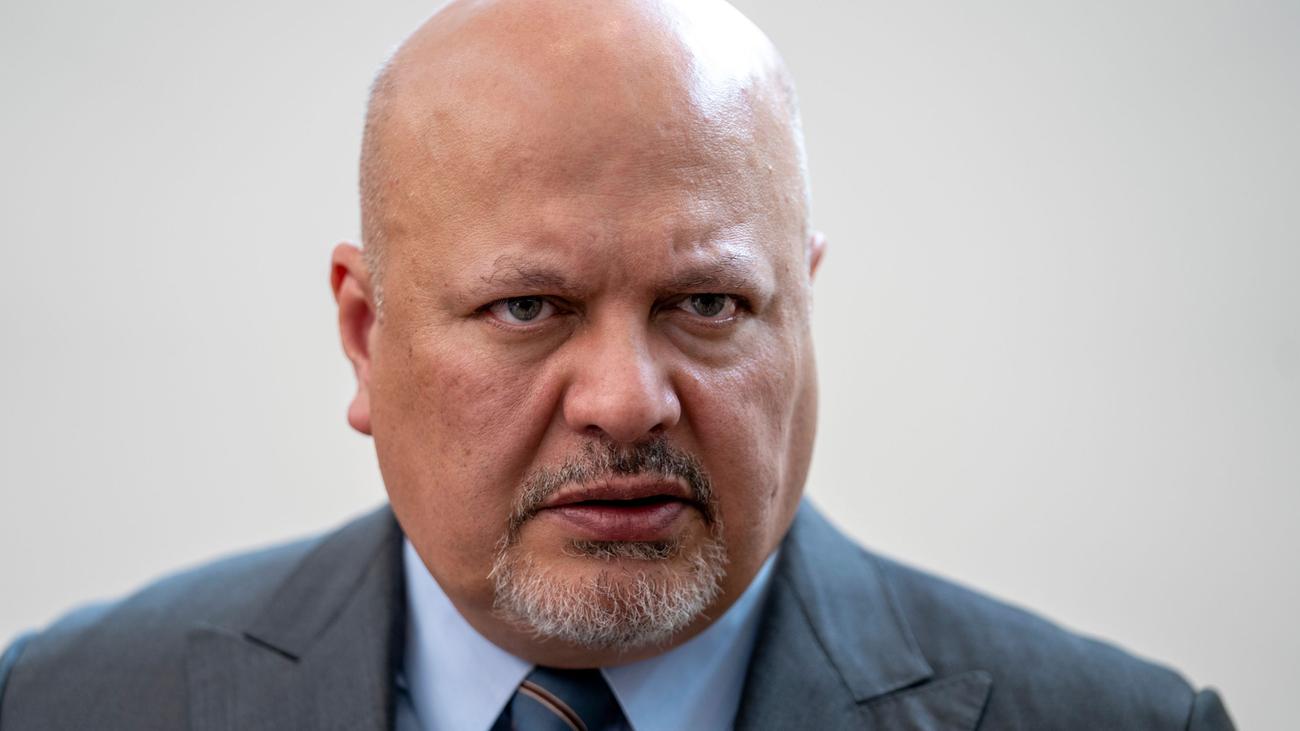
Karim Khan has been removed as Chief Prosecutor of the International Criminal Court following sexual misconduct allegations by a staff member. Of 125 member states, 82 voted for his removal. Khan claims the accusations are a conspiracy tied to his pursuit of arrest warrants against Israeli leaders, including Netanyahu.
Imagine the world's referee for really serious crimes got in trouble for his own bad behavior. The other 125 countries that belong to the team voted to fire him. He says they did it because he tried to punish powerful leaders, but a woman says he hurt her. Either way, he's out of the job.
Analysis
A Two-Year Institutional Crisis Resolved
The removal of Karim Khan as Chief Prosecutor of the International Criminal Court brings to a close a slow-burn institutional crisis that has weighed on the Hague-based tribunal since the allegations first surfaced in 2024. The Assembly of States Parties voted 82 to 13, with 15 abstentions, to strip Khan of his office after determining that he had committed "serious misconduct" and "a serious breach of duty," according to the assembly's chair, Paivi Kaukoranta. The accusations came from a close colleague, known publicly only as Sarah, who alleged that Khan had sexually assaulted her repeatedly over an extended period. Khan was suspended in June; the vote formalized the end of his tenure.
Khan has consistently denied the allegations and, in a defiant public posture, framed them as retaliation for his most consequential legal work. He pointed to his pursuit of an arrest warrant against Israeli Prime Minister Benjamin Netanyahu and former Defense Minister Yoav Gallant over alleged war crimes in Gaza, arguing that powerful actors sought to remove him in response. Sarah, in a CNN interview, rejected Khan's narrative, describing it as a deflection from her specific complaints about his conduct.
Geopolitical Ripples Across the Atlantic
The United States reacted with open satisfaction. State Department spokesperson Tommy Pigott wrote on X that "it is good that he is gone," while signaling that Washington's posture toward the court itself has not softened. The Trump administration has previously sanctioned Khan and other ICC officials, and Pigott's statement explicitly described a U.S. plan to "dismantle" the institution. Neither the US nor Israel — both of which have clashed with the ICC over its jurisdiction — is a state party to the Rome Statute, meaning neither voted in the assembly. The Trump administration, according to the report, sees Khan's removal as a minor step inside a broader strategy of confronting the court.
Israel's UN delegation seized on the news to renew its critique of the warrants, calling the underlying investigation a "political witch hunt against Israel." The warrants, which also target senior Hamas figures, remain formally in force; under the court's procedures, only ICC judges can lift them. That means Khan's removal creates a procedural vacuum rather than a legal one: his cases, including those tied to the Gaza war, must be reassigned, but the legal architecture he built remains intact unless the judges themselves intervene.
What Khan's Fall Means for the Court
The ICC now faces the dual challenge of restoring internal credibility while maintaining the momentum of its highest-profile prosecutions. Khan's tenure, which began in 2021, produced some of the court's most aggressive modern cases — the warrants against Netanyahu and Hamas leaders were unprecedented in targeting a sitting leader of a close Western ally. Removing Khan on misconduct grounds allows the institution to distance its legal findings from the personal controversy surrounding him, but the political firestorm around the Israel-related warrants is unlikely to subside. For Germany, a long-standing supporter of the court and a contributor to its work, the vote underscores both the resilience of the Rome Statute system and its vulnerability to political pressure. The next chief prosecutor will inherit not just Khan's docket but the harder question of whether the court can pursue politically charged cases without its leaders becoming the targets of those very investigations.
Key points
- 82 of 125 ICC member states voted to remove Karim Khan as Chief Prosecutor, with 13 against and 15 abstentions
- A staff member known publicly as Sarah accused Khan of sexual assault over an extended period; Khan denies the allegations
- Khan frames his removal as retaliation for seeking arrest warrants against Israeli Prime Minister Netanyahu and former Defense Minister Yoav Gallant
- The U.S. welcomed the dismissal but signaled plans to continue efforts to 'dismantle' the court; neither the U.S. nor Israel are ICC member states
- Existing ICC arrest warrants, including those against Israeli and Hamas leaders, remain in force; only the court's judges can lift them
A fresh leadership appointment could allow the ICC to rebuild internal trust and refocus on its core mandate. By separating Khan's personal controversies from the underlying legal cases, the court may be able to pursue its existing prosecutions with renewed institutional legitimacy.
The episode is likely to fuel claims that the ICC is a politicized institution, particularly given Khan's own framing of his removal as retaliation for the Israel warrants. The willingness of future prosecutors to take on politically sensitive cases may be chilled, and the U.S. pledge to 'dismantle' the court signals continued external pressure.