Energy nationalism and interconnectors: the next power threat?
Cross-border power cables have kept Britain’s grid stable, but political backlash in Europe could make them less reliable.
Intelligence analysis by GPT-5.4 Mini
The article argues that interconnectors are both a strength and a vulnerability for the British power system. They help balance supply, but rising energy nationalism in Europe could make imports less dependable.
Britain’s power grid is like a house that sometimes borrows batteries from neighbors. That works well, but if the neighbors get grumpy and stop lending, the house could end up paying more and having less backup.
Analysis
IFA2
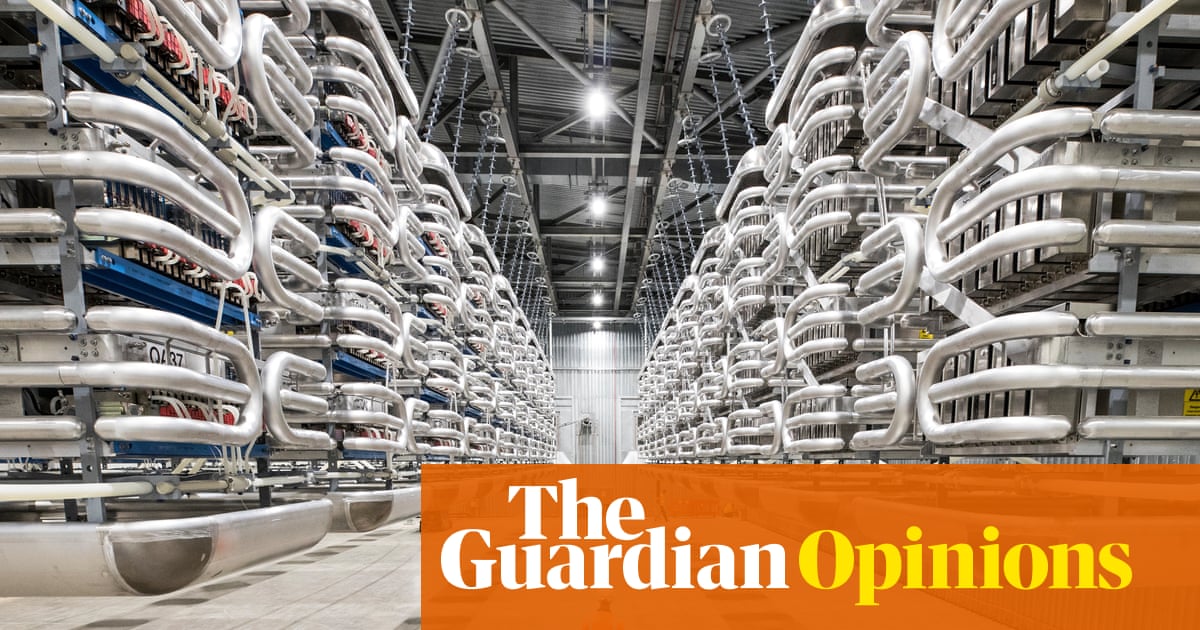
The piece uses the IFA2 interconnector as a concrete reminder that Britain’s grid is tied to decisions made beyond its borders. Power can move quickly from France into the UK, but the flow depends on markets, operators, and political tolerance in both places.
That creates a structural tension. Interconnectors are meant to improve resilience and lower costs, yet the article shows they can also become a flashpoint when domestic systems are under pressure. Once a country starts treating electricity exports as a political issue, the economics of cross-border trading become less predictable.
The important point is not that the cables stop working. It is that their value rests on trust, and trust is weaker when governments face angry voters and volatile prices.
Norway
Norway shows how quickly consumer politics can override the logic of integration. The article says the country has already banned more interconnectors after a backlash over higher local electricity prices, and it scrapped a planned cable to Peterhead in Scotland in 2023.
That is a warning for Britain because the Norwegian route matters most when cheap power is needed. If a major exporter decides that sending electricity abroad is politically costly, the importing country cannot force the issue.
This is what makes the risk feel more than theoretical. Britain may enjoy the benefits of continental supply in normal conditions, but the article suggests those benefits can shrink if enough countries decide they would rather protect local bills than support the wider system.
Marine Le Pen
The article’s sharpest warning comes from France, where Marine Le Pen’s National Rally is described as wanting to pull France out of the EU’s cross-border electricity system. If that happened, the UK would lose access to a deeply important source of imported power.
The article frames this as an edge case, but not a fantasy. French energy companies are said to be horrified, while Le Pen argues local consumers would pay less, which captures the political trade-off at the heart of energy nationalism.
For Britain, the risk is not just higher prices. It is a reminder that the future of electricity supply is becoming more political just as the system becomes more dependent on flexible, cross-border balancing. That combination makes the next shock less about engineering failure and more about democratic incentives in other capitals.
Key points
- Interconnectors helped Britain manage a summer of heat and low wind.
- About a tenth of the UK’s electricity is imported over a year.
- Norway has already pushed back against new cable links after domestic price backlash.
- France is the biggest political risk if a future government turns against cross-border electricity trade.
- Britain’s long-term hope is to become a net exporter in the 2030s.
If more countries decide to keep their electricity for themselves, Britain could face higher costs and less reliable imports during tight periods. The article also suggests that late changes to cross-border flows can already cause friction with smaller markets, making the system harder to manage.