Energy now a focus of US-China contest of the century
China and the US are competing for energy power as a core part of superpower strength.
Intelligence analysis by GPT-5.4 Mini
The piece argues that the US-China rivalry has shifted toward energy dominance. China is building an “electrostate” around clean power and grids, while the US still leans on fossil fuels and hydrocarbon exports.
The article says China and the US are racing to control the power that runs everything. China is betting on clean electricity like solar and wind, while the US still leans on oil and gas. It is like two teams trying to own the biggest battery for the future.
Analysis
The core argument
Andrew Sheng frames the US-China rivalry as a struggle over energy systems, not just trade or technology. In his telling, control over energy underpins superpower status, so the contest of the century is increasingly about whether the future is led by an “electrostate” or by a hydrocarbon hegemon.
China’s position
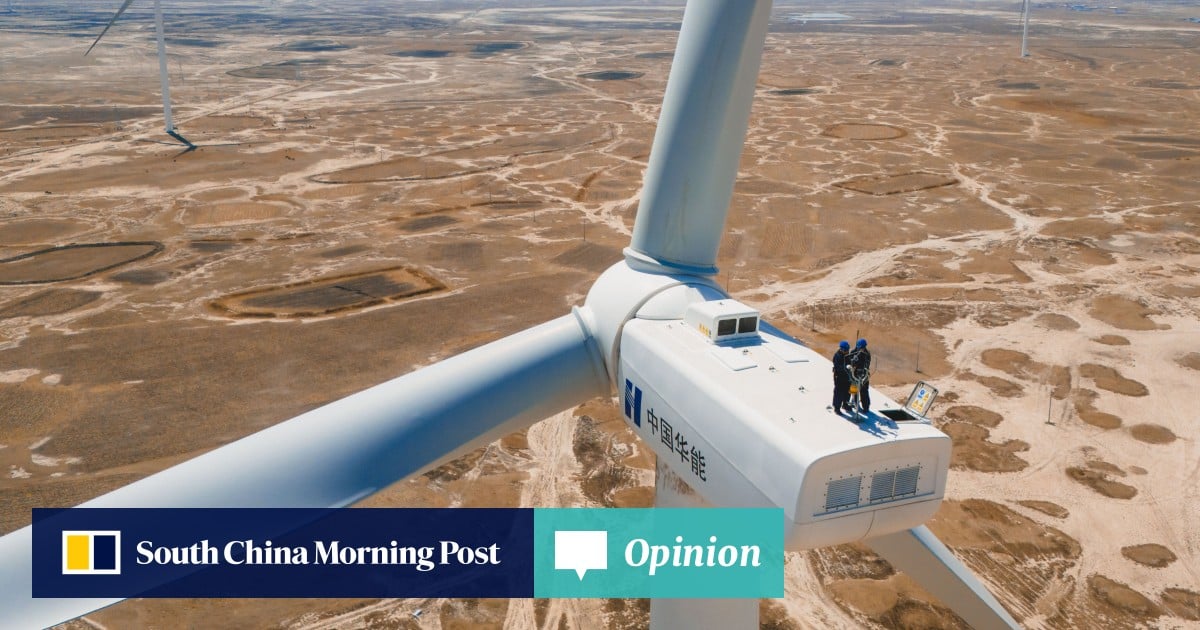
The article says China understands that electricity is central to its economy. Even though it still produces large amounts of coal, crude oil, and gas, it remains dependent on imports of those fuels. To reduce that dependence, it has used five-year plans to diversify into solar, wind, hydro, and nuclear power. Sheng says China’s non-fossil-fuel power capacity surpassed fossil-fuel capacity last year for the first time, and that grid-connected wind and solar capacity now exceeds coal capacity. He also says renewable electricity has become cheaper than power generated by burning fossil fuels.
That shift, according to the piece, has helped China become a global leader in solar panels, wind turbines, batteries, electric vehicles, and grid technology. The argument is that energy security and decarbonization are now reinforcing each other in China’s industrial strategy.
The US position
The US is described as the world’s top oil producer, with production of 13.6 million barrels a day and more than 30 trillion cubic feet of natural gas annually. Sheng argues that the US is energy secure and a net exporter, especially after shale production expanded in the 21st century. But he says the American system still depends heavily on fossil fuels, which generate nearly 80 per cent of its energy.
What the rivalry means
The article’s bottom line is that the US remains strong in hydrocarbons and maritime security, while China is moving faster into the technologies that may define a lower-carbon energy system. Sheng suggests that attention to climate resilience and resource security could make the outcome positive for both sides.
Key points
- The article argues that energy control is becoming central to the US-China rivalry.
- China is described as building an electricity-centered system through solar, wind, hydro, and nuclear power.
- Sheng says China’s non-fossil-fuel capacity has overtaken fossil-fuel capacity for the first time.
- The US is portrayed as strong in oil and gas, but still heavily dependent on fossil fuels.
- The article says climate resilience and resource security could help make the competition produce broader benefits.
If the shift toward cleaner electricity keeps accelerating, China could strengthen its energy security while cutting pollution. The article also suggests that better attention to climate resilience and resource security could produce benefits beyond the rivalry itself.
If both sides treat energy mainly as a zero-sum contest, the rivalry could harden around supply chains, trade, and maritime security. A slower transition away from fossil fuels would also leave the US more exposed to carbon-heavy energy dependence while China still faces import vulnerability in hydrocarbons.