Escalation between USA and Iran: What's next in the Gulf region?
The USA is launching daily airstrikes on Iranian targets, and Iran is retaliating with attacks on Gulf states. The situation is escalating, and experts warn of a possible half-durable war.
Intelligence analysis by Llama
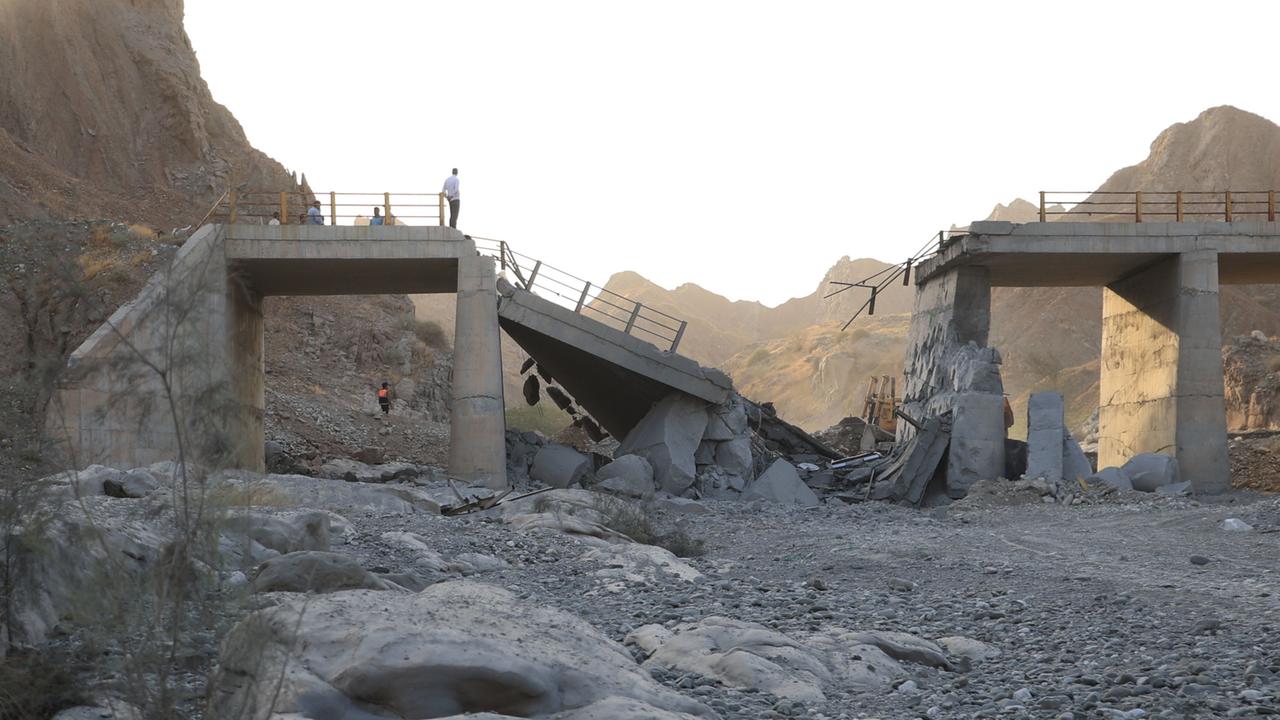
The USA and Iran are engaged in a cycle of airstrikes and counterattacks, with no clear end in sight. The situation is escalating, and experts warn of a possible half-durable war.
Imagine a big game of tag between the USA and Iran. The USA is trying to tag Iran, and Iran is trying to tag the USA. But instead of just running around, they're using big machines like airplanes and missiles to try and hit each other. This game is getting more and more intense, and it's not clear when it will end.
Analysis
A Cycle of Escalation
The situation between the USA and Iran is escalating rapidly, with both sides engaging in a cycle of airstrikes and counterattacks. The USA has been launching daily airstrikes on Iranian targets, and Iran is retaliating with attacks on Gulf states. This cycle of escalation is reminiscent of the situation in the spring, but with a few key differences. The USA is now targeting Iranian military sites, including missile launchpads and ammunition depots. Iran, in turn, is targeting US military bases in Bahrain, Kuwait, and Jordan. The situation is becoming increasingly complex, with multiple actors involved and a range of potential flashpoints.
The Role of the Straße von Hormus
The Straße von Hormus, a critical waterway in the Persian Gulf, is at the center of the conflict. The USA has blockaded the Straße von Hormus, preventing Iranian oil tankers from passing through. This move has had a significant impact on the global economy, with oil prices rising sharply in response. Iran, in turn, is seeking to disrupt the flow of oil through the Straße von Hormus, which would have a devastating impact on the global economy.
The Implications of a Half-Durable War
Experts warn that the situation between the USA and Iran could lead to a half-durable war, with both sides engaging in a cycle of airstrikes and counterattacks. This would have significant implications for regional stability and the global economy. A half-durable war would also have a profound impact on the lives of ordinary people, with widespread destruction and displacement. It's essential to understand the underlying dynamics of the conflict and to work towards a peaceful resolution.
Key points
- The USA and Iran are engaged in a cycle of airstrikes and counterattacks.
- The situation is escalating rapidly, with multiple actors involved and a range of potential flashpoints.
- The Straße von Hormus is at the center of the conflict, with the USA blockading the waterway and Iran seeking to disrupt the flow of oil.
- Experts warn of a possible half-durable war, with significant implications for regional stability and the global economy.
There are efforts underway to find a peaceful resolution to the conflict, including diplomatic efforts and economic sanctions. If these efforts are successful, it's possible that the situation could be de-escalated and a peaceful resolution could be reached.
The situation between the USA and Iran is highly volatile, and there is a risk of a half-durable war. This would have significant implications for regional stability and the global economy, and would likely lead to widespread destruction and displacement.